
Inverted · distinctive silhouette
Suspended Roller Coaster
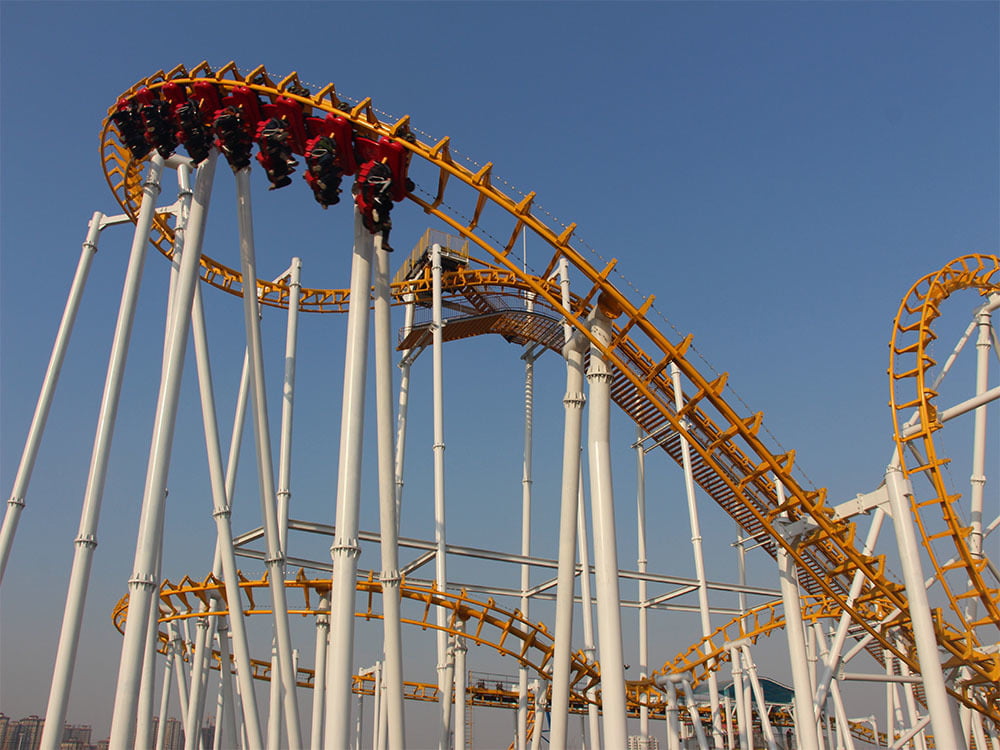
The train hangs below the track — the ride looks different from every angle.
A suspended coaster carries the train under the track. It produces a silhouette that photographs well and a ride sensation that a sit-down coaster cannot reproduce at the same speed.
Is this the right ride for your site?
Four conditions. If you cannot tick at least three, a different model will serve you better.
- You want a ride that photographs distinctively for marketing
- Your site has clear ground beneath the track
- You can plan evacuation from a hanging train
- You want a thrill ride that is not another sit-down layout
Site requirements
What has to be true about the ground and the supply before a layout is drawn.
From deposit to opening day
Indicative programme. Your date is set by foundations and permitting, not by fabrication.
- Layout & design freeze4–8 weeksClearance study is part of the design
- Fabrication14–18 weeks
- Shipping4–6 weeks
- Installation & commissioning8–12 weeksEvacuation drill before opening
Capital band: flagship thrill
Cost sits close to an equivalent sit-down coaster. The additional budget line is operational: evacuation training and the ground-area restrictions during operation.
In service and in production
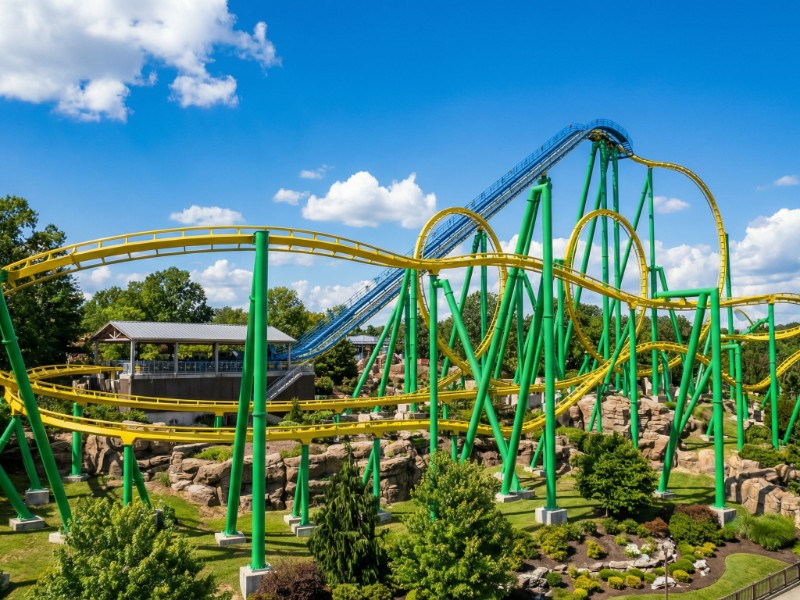
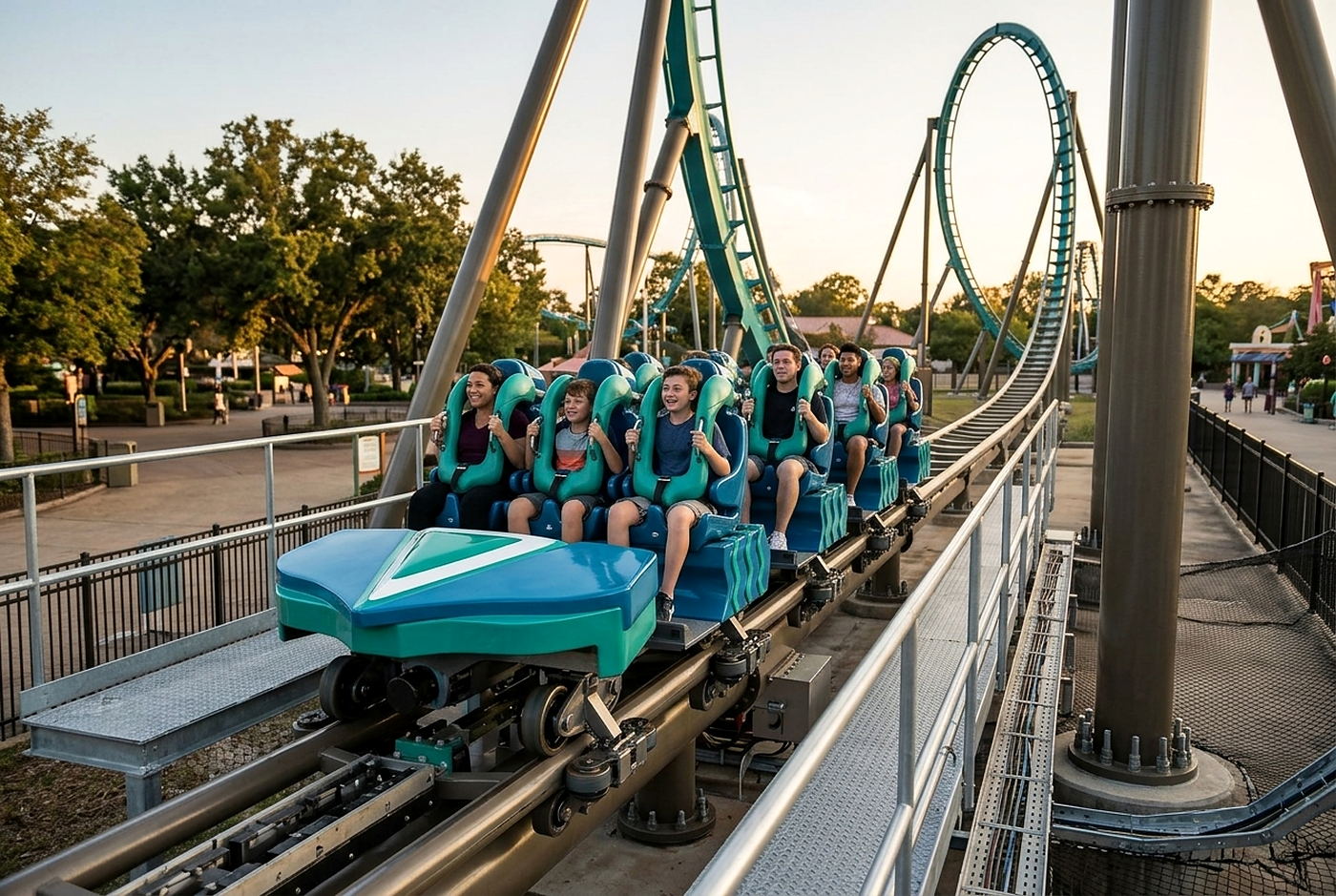
Factory photographs and finished installations.
Questions buyers ask first
01How is a hanging train evacuated?
With a documented procedure and trained staff, usually using the maintenance access structure. The procedure is written into the operating manual and drilled before opening — it is not improvised.
02Does the suspended design reduce capacity?
Not inherently. Capacity is set by train size, cycle time and station layout, the same as any coaster.
03Can it operate in wind?
Wind limits are confirmed per site and per your market standards, and stated in the operating manual.
Other models buyers compare
Send us the site plan and the standards your market requires — we will come back with a layout, a programme and a scope breakdown.