
Tower ride · throughput machine
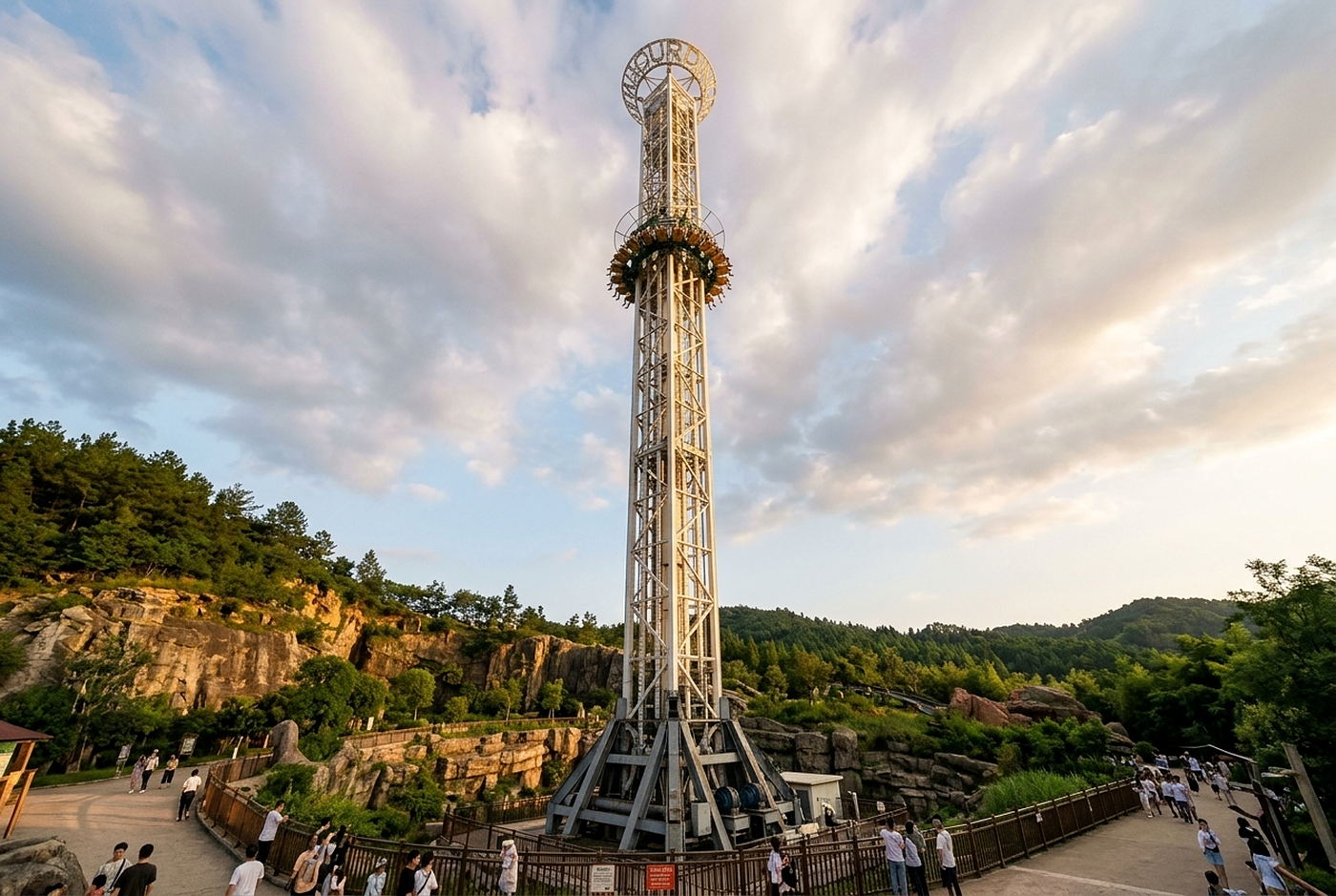
60 m Drop Tower
High throughput on a footprint the size of a tennis court.
A drop tower converts a small footprint into high hourly capacity. It is the most efficient thrill ride per square metre in most parks, and the one that most often pays back first.
Is this the right ride for your site?
Four conditions. If you cannot tick at least three, a different model will serve you better.
- Your site is tight but you need more capacity
- You want a thrill ride with a short cycle and fast queue
- Your maintenance team can handle braking-system inspection discipline
- You need a ride that reads as extreme from the car park
Site requirements
What has to be true about the ground and the supply before a layout is drawn.
From deposit to opening day
Indicative programme. Your date is set by foundations and permitting, not by fabrication.
- Layout & design freeze4–6 weeks
- Fabrication12–16 weeks
- Shipping4–6 weeksMast sections drive container count
- Installation & commissioning6–10 weeksCrane size scales with mast height
Capital band: volume thrill
Drop towers are priced largely by mast height, cabin seats and braking redundancy. Redundancy is where cheap and expensive quotes diverge most.
In service and in production
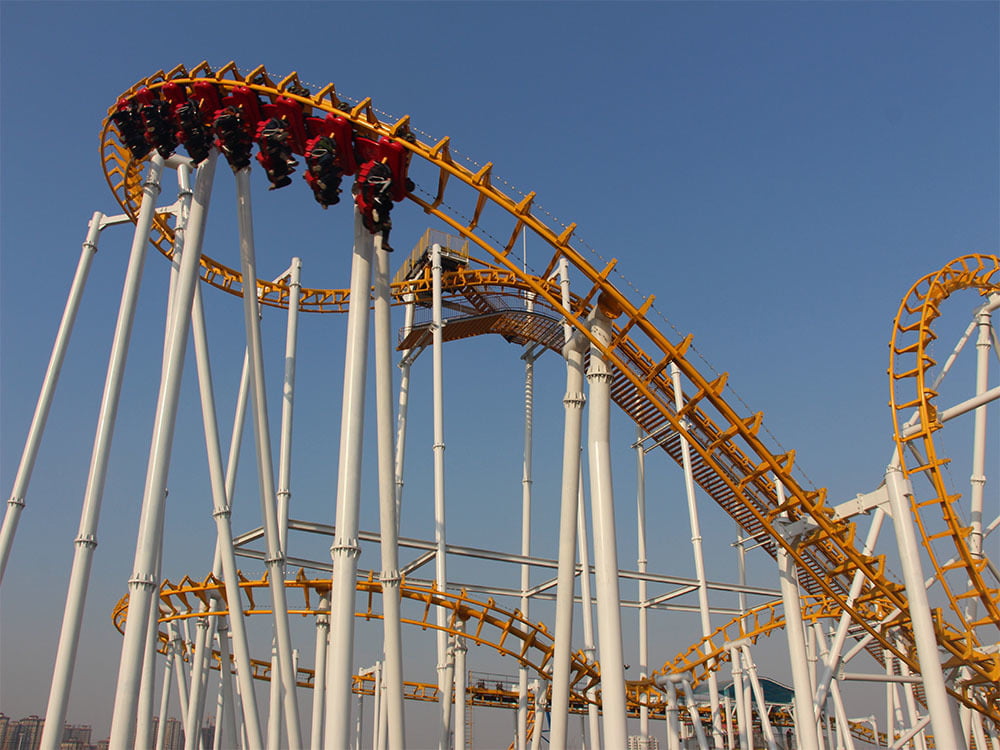
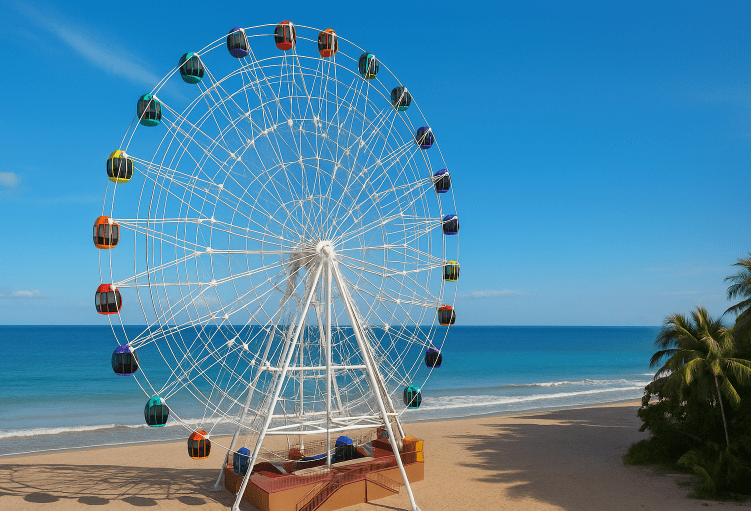
Factory photographs and finished installations.
Questions buyers ask first
01What braking system should we specify?
Magnetic (eddy-current) braking with an independent final-stop stage is the common specification for a tower of this height. What matters is the redundancy around it, not the label.
02How many riders per hour?
Set by seats per cycle and cycle time. A 60 m tower with a fast dispatch can beat a much larger ride on throughput.
03What happens in a power failure?
Controlled descent on backup power is part of the design. The exact arrangement is confirmed in the specification and covered in operator training.
Other models buyers compare
Send us the site plan and the standards your market requires — we will come back with a layout, a programme and a scope breakdown.