
30 m → 60 m+ · Magnetic Braking
Drop Towers for Sale
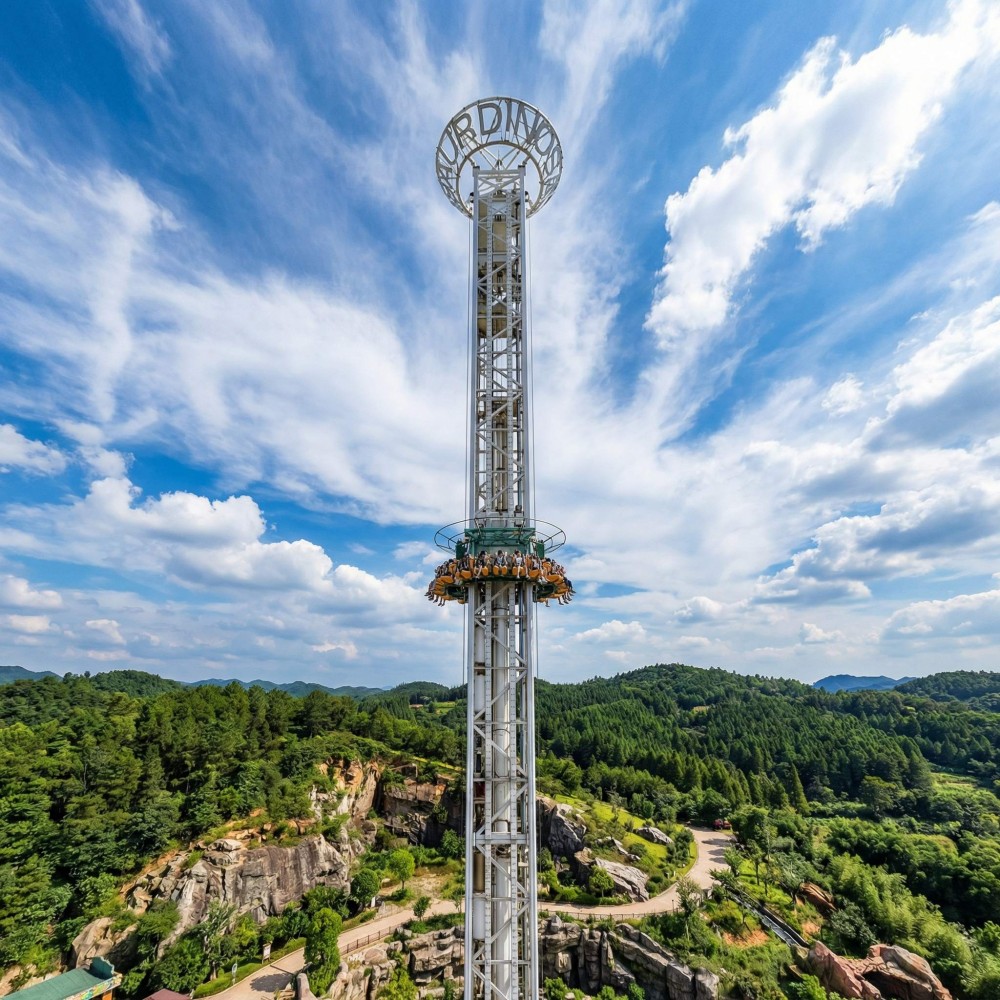
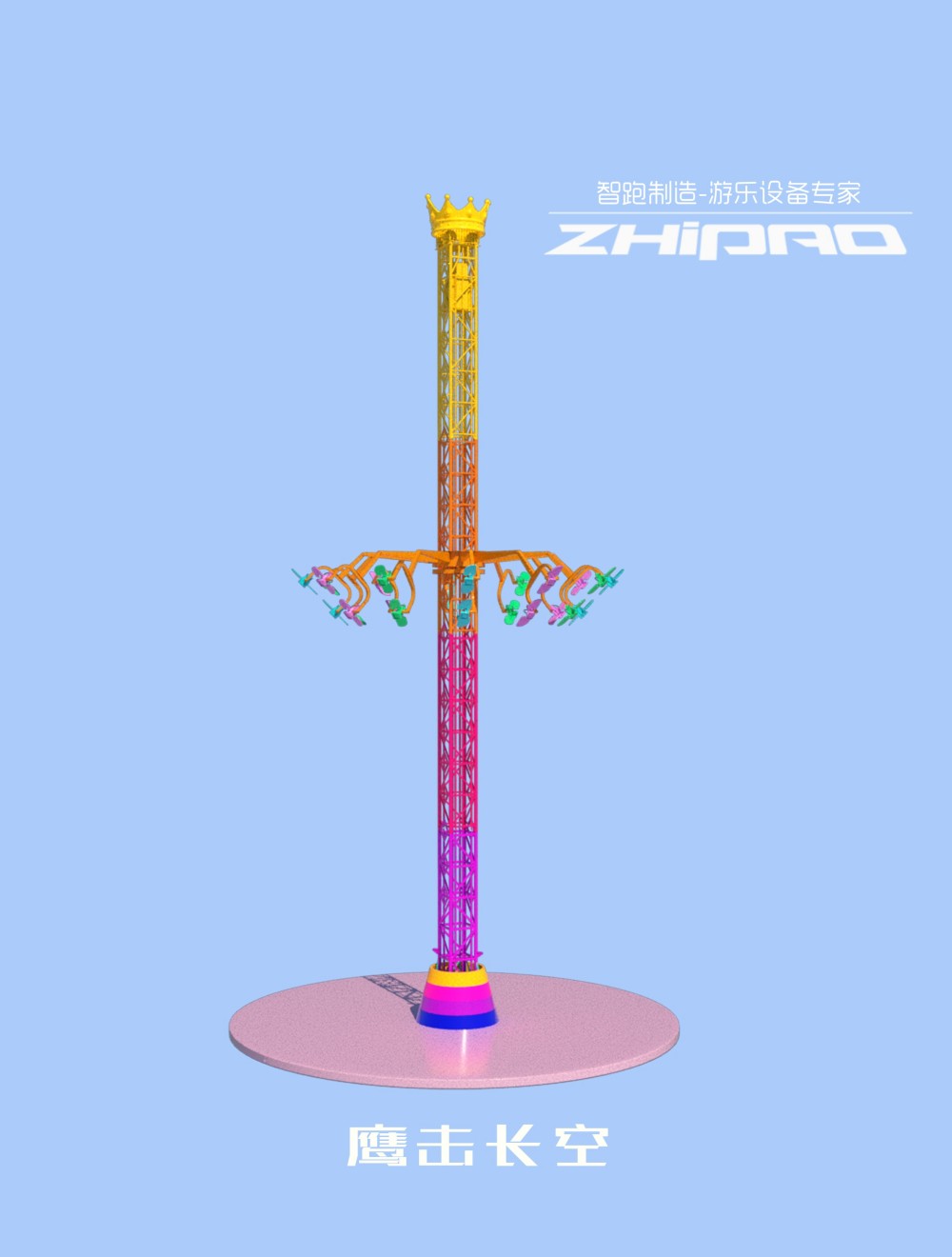
Free-fall towers with magnetic braking, redundant safety circuits and remote diagnostics — the highest throughput per square metre in any park.
- 01
- 30–60 m+
- 02
- Magnetic braking
- 03
- 24-seat cabins
- 04
- Highest throughput per m²
Request a project quote
Tell us the ride and the site. We reply within one business day with a scoped, itemised quotation — not a headline price.
- Reply within 1 business day
- Itemised scope, not a lump sum
- No obligation, no sales calls
01 / What you're buying
A procurement project,
not a catalogue order
A drop tower is bought on three numbers: height, seats per cycle and cycle time. Everything else — braking, redundancy, diagnostics — is what keeps it running.
120,000m² manufacturing base
60+ride models in production
24hquotation response


03 / Scope
What a turnkey contract covers
01
Structure & foundation
Tower steel, guide rails and foundation loads for your soil conditions.
02
Braking system
Magnetic braking with calculated deceleration, plus mechanical backup.
03
Redundancy
Dual circuits, fail-safe restraints and emergency lowering.
04
Cabin & restraints
Seat layout, restraint type and accessibility provisions.
05
Controls & diagnostics
PLC control, fault logging and remote diagnostics support.
06
Operator package
Daily checks, evacuation procedure and training.


04 / Timeline
How a project runs
- 01
Brief
Height, seats per cycle, hourly throughput target.
- 02
Concept & quote
Tower configuration and itemised quotation.
- 03
Engineering
Foundation loads, braking calculations, electrical scope.
- 04
Manufacture
Tower sections, cabin and braking system tested before shipment.
- 05
Install & handover
Erection, load testing, commissioning and training.


05 / Why shortlist us
What buyers actually check
01
Braking engineering
Magnetic braking sized to the actual cabin mass and drop height, not a catalogue assumption.
02
Redundancy by design
Independent circuits and mechanical backup documented in the handover pack.
03
Remote diagnostics
Fault data accessible to our engineers, so support does not wait for a flight.
04
Compact footprint
High throughput from a small site — attractive where land is expensive.


06 / Questions
Procurement questions
01What height should we choose?
Height is a marketing decision as much as an engineering one. 30–40 m suits family parks; 50–60 m+ is a landmark ride. Taller towers need larger foundations and higher wind survival requirements.
02How many passengers per hour?
Throughput comes from seats per cycle divided by cycle time. A 24-seat tower with a short cycle can move more guests per hour than a much larger ride — we model this against your peak-day numbers.
03What happens if power fails?
Emergency lowering and fail-safe braking are part of the design. The exact arrangement is documented in the operations manual and covered in operator training.
04Can it be themed?
Yes — tower cladding, lighting and cabin styling are commonly themed. Theming is quoted as a separate scope so you can compare like for like.
07 / Buyer guides
Read before you ask for a number
Three short guides we wrote for procurement teams — no prices, no sales language.
- Guide 01Ferris Wheel Price Guide
What drives the cost of a 42–130 m wheel: cabins, wind load, foundation and container count.
Read → - Guide 02Roller Coaster Price Guide
The six factors that move a coaster quote most — and why two quotes for the same ride differ.
Read → - Guide 03How to Compare Quotations
A line-by-line method for comparing two suppliers when the headline numbers are far apart.
Read →
Send us the site — get a real number
Two suppliers, same ride, very different prices. We'll show you how to compare them line by line.