
Observation wheel · city scale
66 m Ferris Wheel
Tall enough to be the skyline, short enough to be permitted.
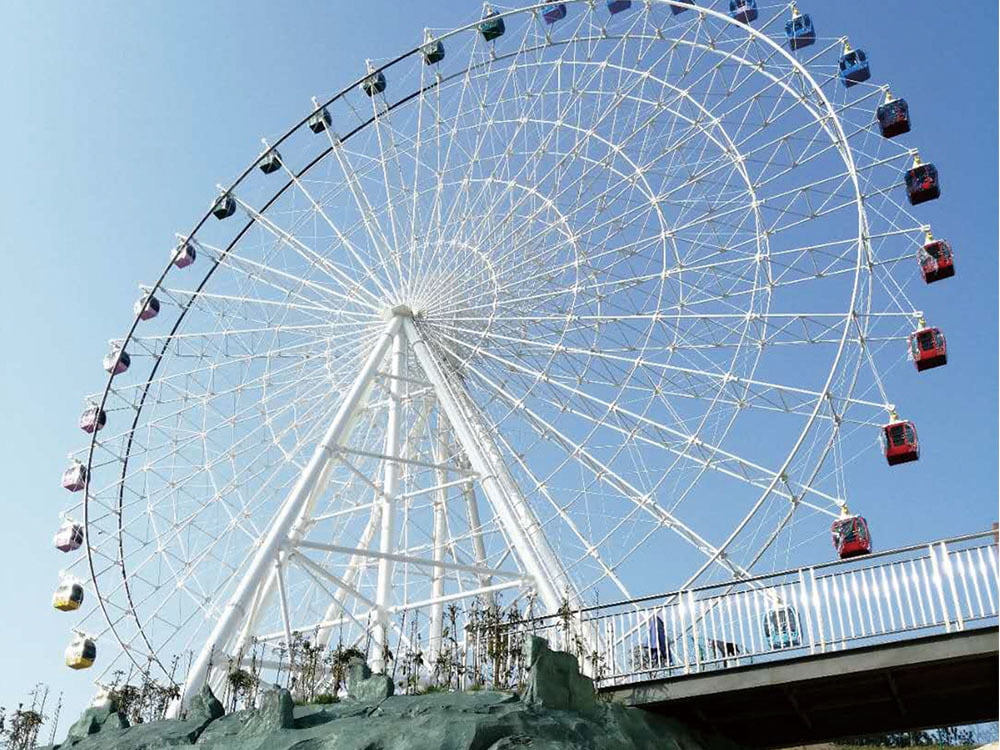
The 66 m class is the most common city wheel: visible across a district, but still within the height band most municipalities will approve without a full landmark review.
Is this the right ride for your site?
Four conditions. If you cannot tick at least three, a different model will serve you better.
- You want a city landmark without a 100 m planning fight
- Your site has room for a plaza and queue
- You need a ride that operates year-round
- You want the wheel to anchor a wider development
Site requirements
What has to be true about the ground and the supply before a layout is drawn.
From deposit to opening day
Indicative programme. Your date is set by foundations and permitting, not by fabrication.
- Layout & structural design5–8 weeksWind and seismic per site
- Fabrication14–18 weeks
- Shipping4–6 weeks
- Installation & commissioning6–10 weeksLarger crane than 42 m class
Capital band: city landmark
The step from 42 m to 66 m is mostly structural: more steel, larger foundation, larger crane. Cabin specification is the second variable.
In service and in production
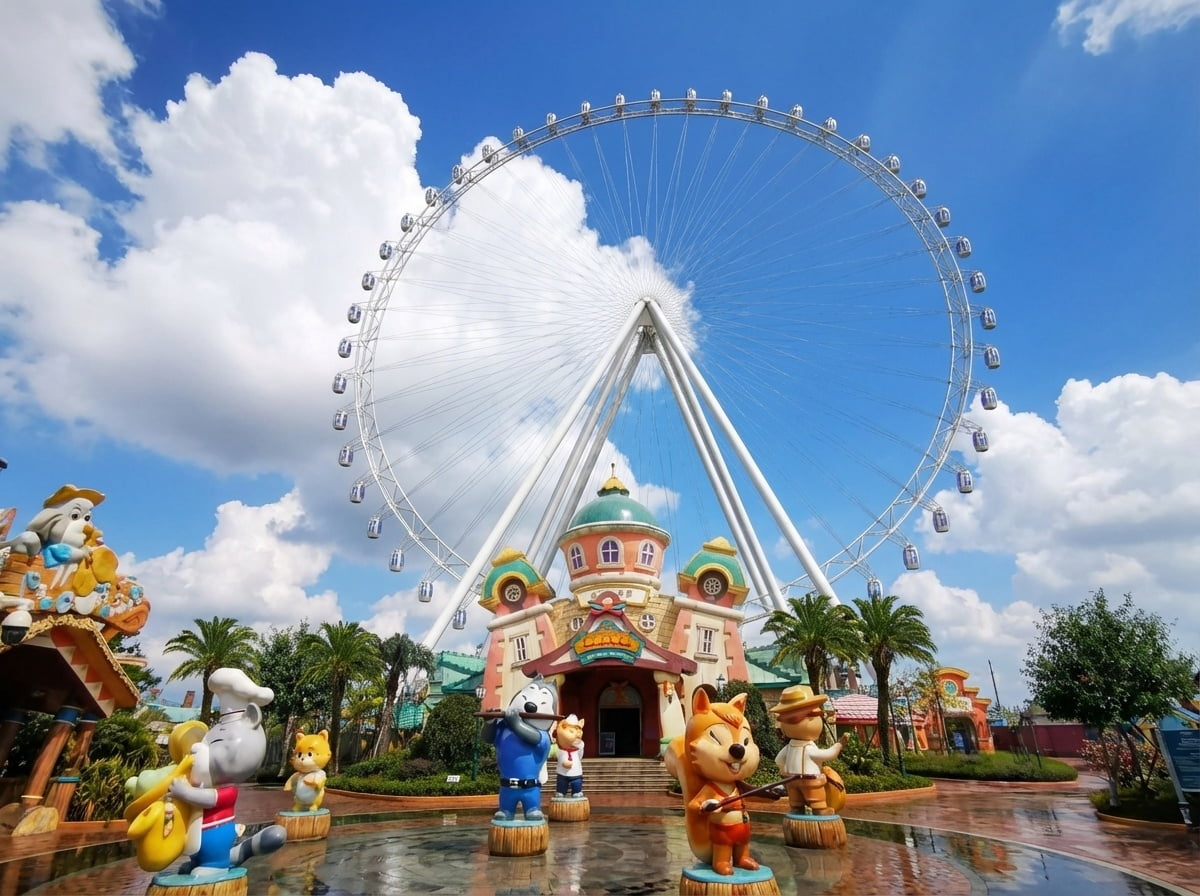
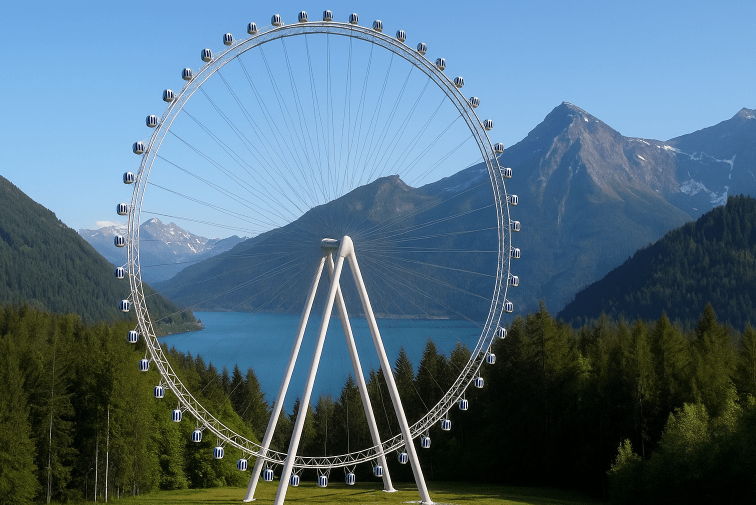
Factory photographs and finished installations.
Questions buyers ask first
01What is the difference between a Ferris wheel and an observation wheel?
In practice the terms overlap. "Observation wheel" usually implies larger cabins, enclosed gondolas and a design intended as architecture. The structural principle is the same; the specification is not.
02How long does installation take?
Typically six to ten weeks on site after foundations cure, depending on crane availability and wind downtime.
03Can cabins be heated or air-conditioned?
Yes. Cabin climate specification affects power and weight, both of which feed back into the structural design.
Other models buyers compare
Send us the site plan and the standards your market requires — we will come back with a layout, a programme and a scope breakdown.