
This is not a ranking. No single roller coaster manufacturer is right for every project, and the global market does not sort into a single league table. Instead, it splits into segments defined by ride scale, project size and region. A firm that builds 100 m destination coasters and a firm that builds 25 m family coasters are not competing for the same tender, so comparing them on a single list is misleading. This explainer describes those segments neutrally, so buyers can identify which group of suppliers fits their project.
Why there is no meaningful global ranking
Roller coaster projects differ so widely in scale that a global ranking has little practical meaning. A 100 m+ launched coaster at a destination park and a 25 m family coaster at a regional park involve different engineering, different budgets and different procurement processes. The manufacturers that serve these projects are not rivals in the same market; they operate in separate segments defined by ride height, complexity, project size and region.
Attempting to rank all manufacturers together ignores these boundaries. A firm known for mega coasters may not bid on a municipal family ride, and a firm that supplies regional parks may not have the track record for a destination-scale launch. Buyers should first define their segment, then look at the suppliers active in it. The table below outlines the main segments.
| Segment | Typical ride height | Typical buyer | What decides the award |
|---|---|---|---|
| Destination coasters | 50 m+ (often 80–120 m) | Major theme parks, destination resorts | Design innovation, proven reliability at scale, brand reputation |
| Mid-size and regional | 15–60 m | Regional parks, FECs, municipal projects | Delivery time, delivered cost, after-sales support, design verification |
| Chinese manufacturers (mid-size) | 15–60 m | Regional and municipal parks, emerging markets | Lead time, cost, fabrication capacity, traceability and service |
The destination-coaster segment
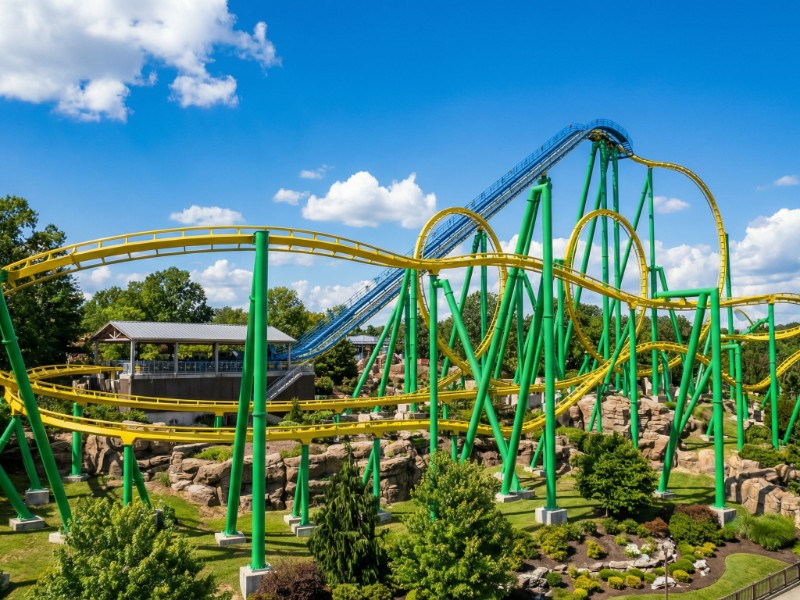
This segment covers the most complex and highest-capacity rides, typically at destination parks where the coaster is a headline attraction. Projects often exceed 50 m in height and involve advanced launch systems, multiple inversions and custom layouts. The firms generally associated with this work include:
- Intamin (Liechtenstein) – known for launched and mega coasters, often with high speeds and extreme elements.
- Bolliger & Mabillard (Switzerland) – recognised for inverted, dive, wing and flying coasters, with a focus on smooth, innovative designs.
- Mack Rides (Germany) – produces launched and family coasters, and also water rides; known for a broad portfolio and engineering precision.
- Vekoma (Netherlands) – has a broad installed base across launched, family and flying coasters, with many standard and custom models.
- Rocky Mountain Construction (USA) – specialises in hybrid steel-track conversions of wooden coasters, often adding inversions and steep drops.
- Great Coasters International (USA) – focuses on wooden coasters, with a reputation for traditional craftsmanship and twisted layouts.
These companies are not ranked here; each has its own strengths and specialisations. A destination park will typically shortlist based on the specific ride concept and the manufacturer's experience with similar projects.
The mid-size and regional segment
This segment serves regional parks, family entertainment centres (FECs) and municipal projects, where coasters are typically 15–60 m in height. The tender often prioritises delivery time and cost alongside design, because these buyers need to open attractions quickly and within budget. Key suppliers include:
- Zamperla (Italy) – known for family rides and wheels, with a wide range of standard products.
- Gerstlauer (Germany) – produces spinners and launched coasters, often with compact footprints.
- S&S Worldwide (USA) – known for air-launched coasters and drop towers, with a focus on thrill rides.
- Premier Rides (USA) – specialises in launched coasters, often for mid-size parks.
In addition, a growing group of Chinese manufacturers serves this segment, offering fabrication capacity and competitive lead times. Buyers in this segment should verify design capability, references at comparable scale and after-sales support, as with any supplier.
Where Chinese manufacturers sit
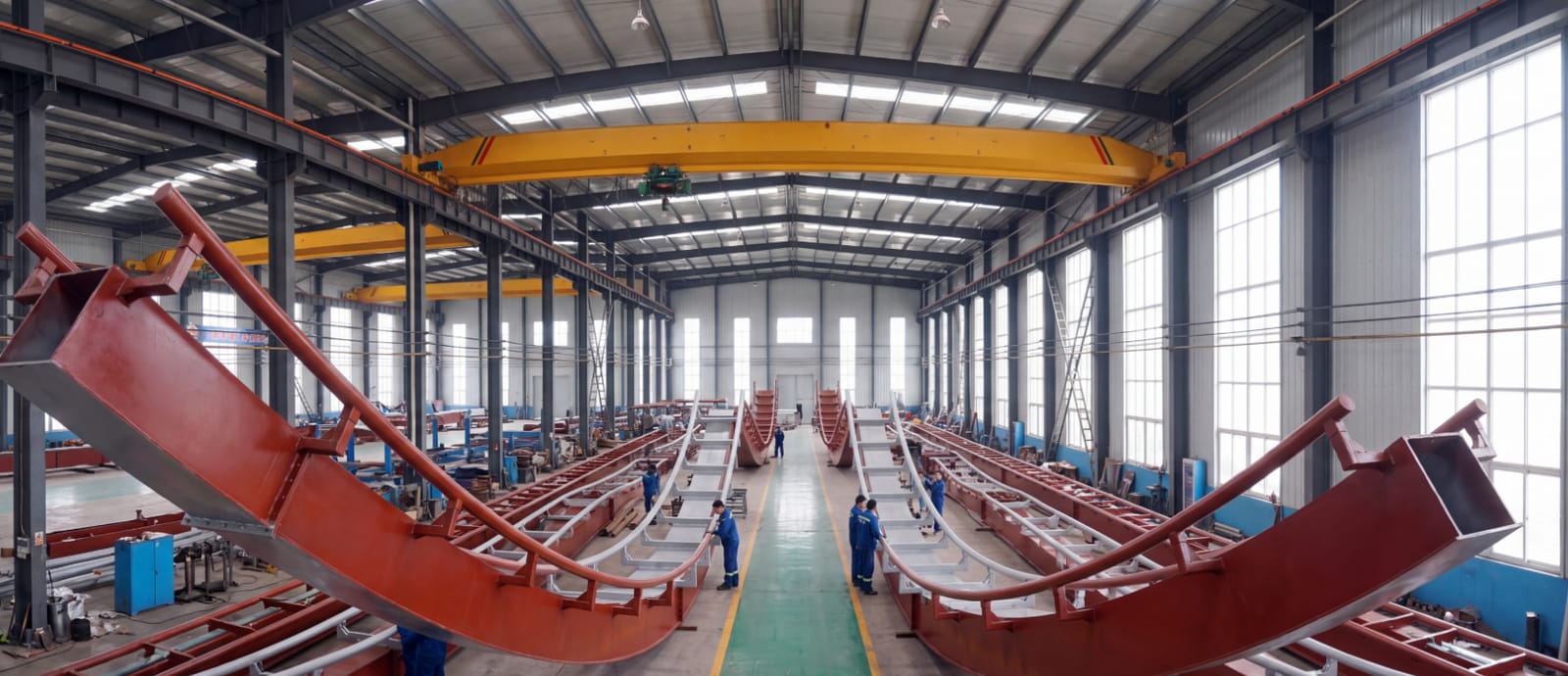
Chinese manufacturers are a significant presence in the mid-size segment. They are strong in fabrication capacity, lead time and delivered cost for projects in the 15–60 m range. This makes them a natural fit for regional and municipal parks, especially in emerging markets where budget and speed are critical.
However, buyers should not assume either the best or the worst. The appropriate approach is to verify design capability through calculation packages and design reports, check traceability of materials and components, and confirm after-sales arrangements. A factory audit can help assess fabrication quality and capacity. Chinese suppliers vary widely, so due diligence is essential.
Where Zhipao sits
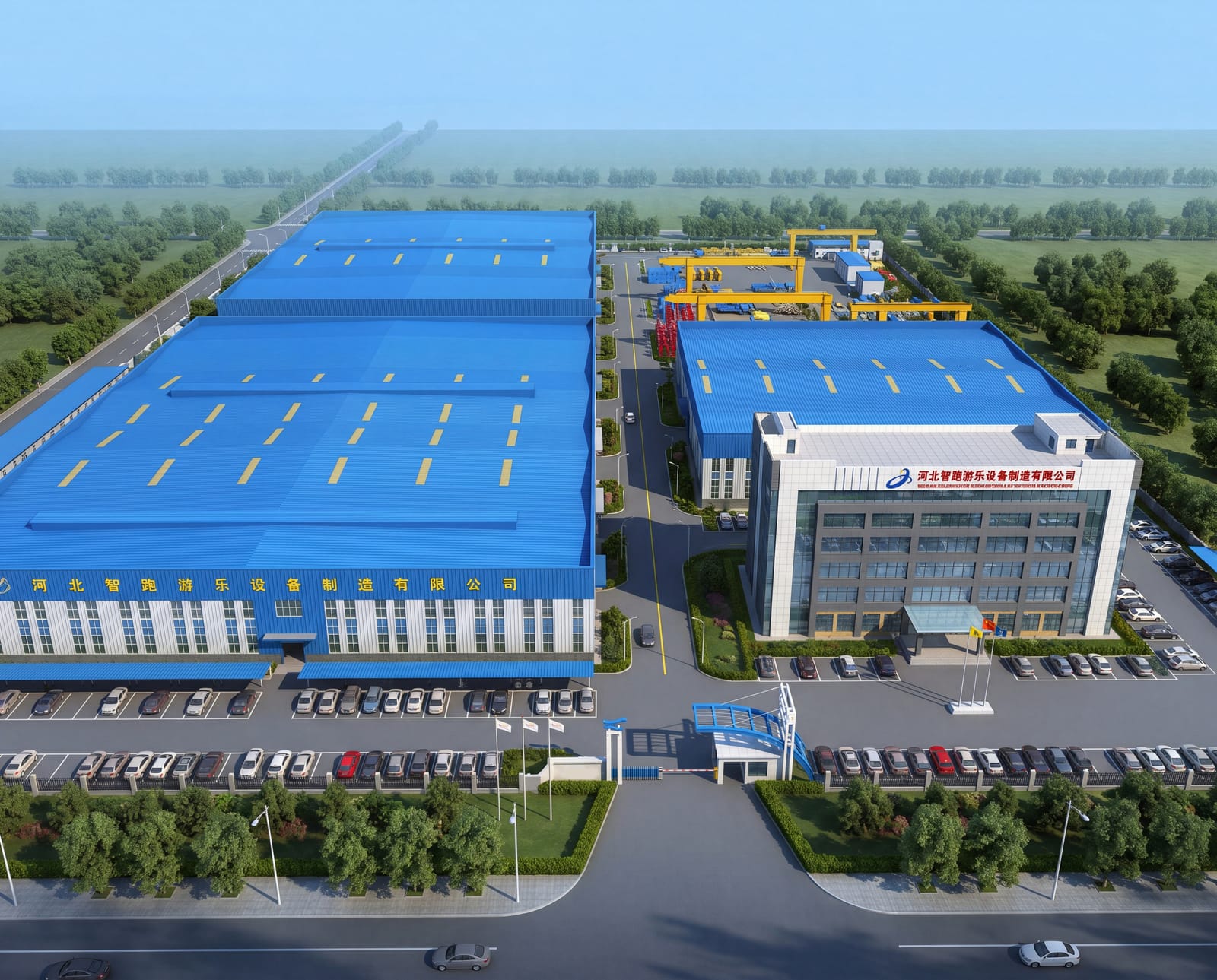
Hebei Zhipao Amusement Equipment Manufacturing Co., Ltd. (ZhipaoRides) operates in the mid-size segment. Founded in 2013, the company has 500 employees and a 120,000 m² plant in Xingtai, Hebei. Its product lines include steel roller coasters with 4 to 11 inversions, Ferris wheels from 42 to 130 m, drop towers, flying theaters, 4D cinemas, carousels and flume rides.
We do not claim to compete with the firms that build 100 m+ destination coasters. We compete on lead time, delivered cost and after-sales for regional and municipal parks. Our in-house fabrication supports these priorities, and we encourage buyers to verify our design and service capabilities as they would with any supplier.
How to choose, segment by segment
Selection criteria vary by segment. At each scale, buyers should verify the following:
- Design report and calculation package – ensure the manufacturer provides a complete design justification, including structural calculations and safety factors.
- References at comparable scale – ask for projects of similar height, speed and complexity, and contact those references.
- Spares and service response – confirm availability of spare parts and typical response times for service calls.
- Factory audit – visit the factory to assess fabrication quality, quality control processes and capacity.
- Delivery schedule realism – check that the proposed schedule accounts for design, fabrication, shipping and installation, and ask for evidence from past projects.
For destination coasters, add scrutiny of innovation and reliability at scale. For mid-size projects, weight delivery time and after-sales support more heavily.
A note on how to read any “top 10 roller coaster manufacturers” list
Most “top 10” lists are marketing tools, often pay-to-play, and should not be used as a primary selection tool. They rarely disclose criteria, and they mix manufacturers from different segments. To test such a list, ask for the criteria used and for comparable references. A credible list will explain its methodology and provide evidence. If it cannot, treat it as entertainment rather than procurement guidance.
Next step
Before engaging any manufacturer, conduct a thorough factory audit. For a detailed checklist of what to inspect and ask, see our article on factory audits. You can also review our specifications for more information on Zhipao's product range and capabilities.