
Three standard families dominate amusement ride engineering: ASTM F2291 (US practice), EN 13814 (European practice) and the GB series (Chinese practice). Each defines how a ride's loads, structures, restraints, control systems and testing are to be addressed, but they are separate documents with separate histories and separate assumptions. A design prepared to one family is not automatically acceptable under another, and a buyer should treat the applicable standard as a project-specific decision confirmed with the regulator in the destination market. This article explains what each family covers and what documentation a buyer should request.
What a ride standard actually regulates
Ride standards are engineering documents, not marketing certificates. Across the three families they address broadly similar subject areas:
- Design loads and load combinations — how operating, environmental and emergency conditions are combined and applied to structures and mechanisms.
- Fatigue and service life — how cyclic loading over the ride's intended life is assessed, and which components are treated as life-limited.
- Restraints and passenger containment — geometry, locking, redundancy and release behaviour, including evacuation scenarios.
- Control systems and safety functions — how safety-related functions are separated from operational functions, and how faults are detected and handled.
- Testing and commissioning — what is verified before the ride carries passengers, and how that verification is recorded.
- Documentation — drawings, calculations, manuals, inspection schedules and records that must accompany the ride.
The differences between the families lie mainly in how these areas are structured, which load cases are mandatory, and what evidence the standard expects to exist. That is why a calculation package written for one family often cannot be presented as-is to another regulator.
ASTM F2291 (US practice): what it covers and how it is used in procurement
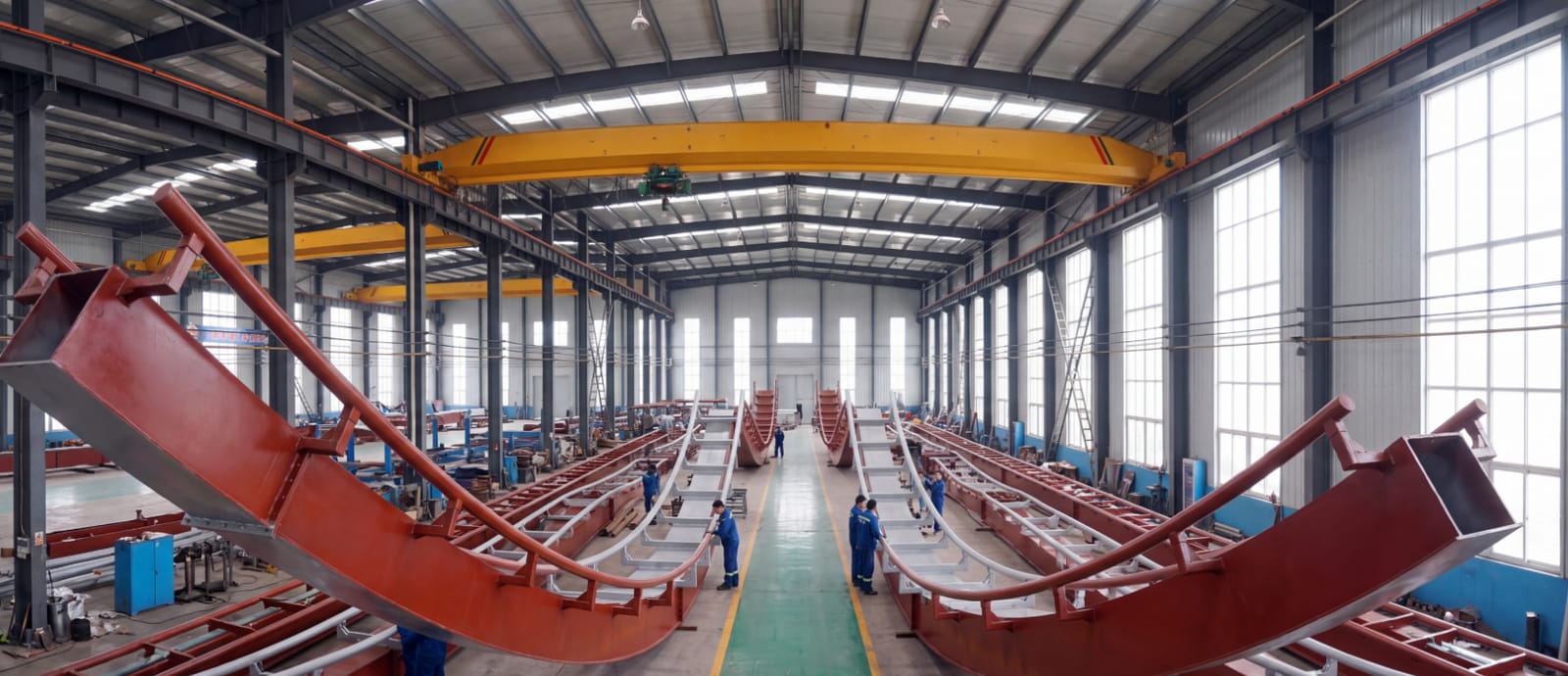
ASTM F2291 is the principal US design standard for amusement rides and devices. It sets out a design-basis approach: the designer defines the ride's intended use, then applies specified load cases and factors to structures, mechanisms and passenger-carrying elements. It also addresses restraint design, control system safety functions and the documentation expected to support a design.
In procurement, ASTM F2291 typically appears in three places:
- As the stated design basis in the technical specification, referenced alongside the local jurisdiction's own requirements.
- As the framework for the design report and calculation package the buyer receives.
- As a reference point for third-party design review, where the reviewer checks the package against the named edition.
Note that ASTM F2291 is a design standard. It does not by itself authorise operation; US jurisdictions apply their own inspection and permitting regimes on top of it. When we describe our design basis, we refer to the standard your market requires, confirmed per project.
EN 13814 (European practice): what differs from ASTM and why a design cannot simply be relabelled
EN 13814 covers amusement ride and amusement park machinery and structures, and is published in parts addressing structure, operation and inspection. It is written as a European harmonised-family document, meaning it is structured to sit alongside European machinery and structural conventions, with its own load cases, its own treatment of passenger containment and its own requirements for instructions and inspection.
The practical differences from ASTM F2291 are structural rather than cosmetic:
- The load cases and combinations are defined differently, so a calculation set built for one family does not map directly onto the other.
- The division between design, operation and inspection requirements differs, which changes what the buyer receives and when.
- Terminology, symbols and document structure differ, which matters when a reviewer or regulator reads the package.
For these reasons a design cannot simply be relabelled from one family to the other. If a project requires EN 13814, the design basis and the calculation package should be prepared to EN 13814 from the start, with the edition named in the contract.
China's GB series and type testing: what Chinese manufacturers work to domestically
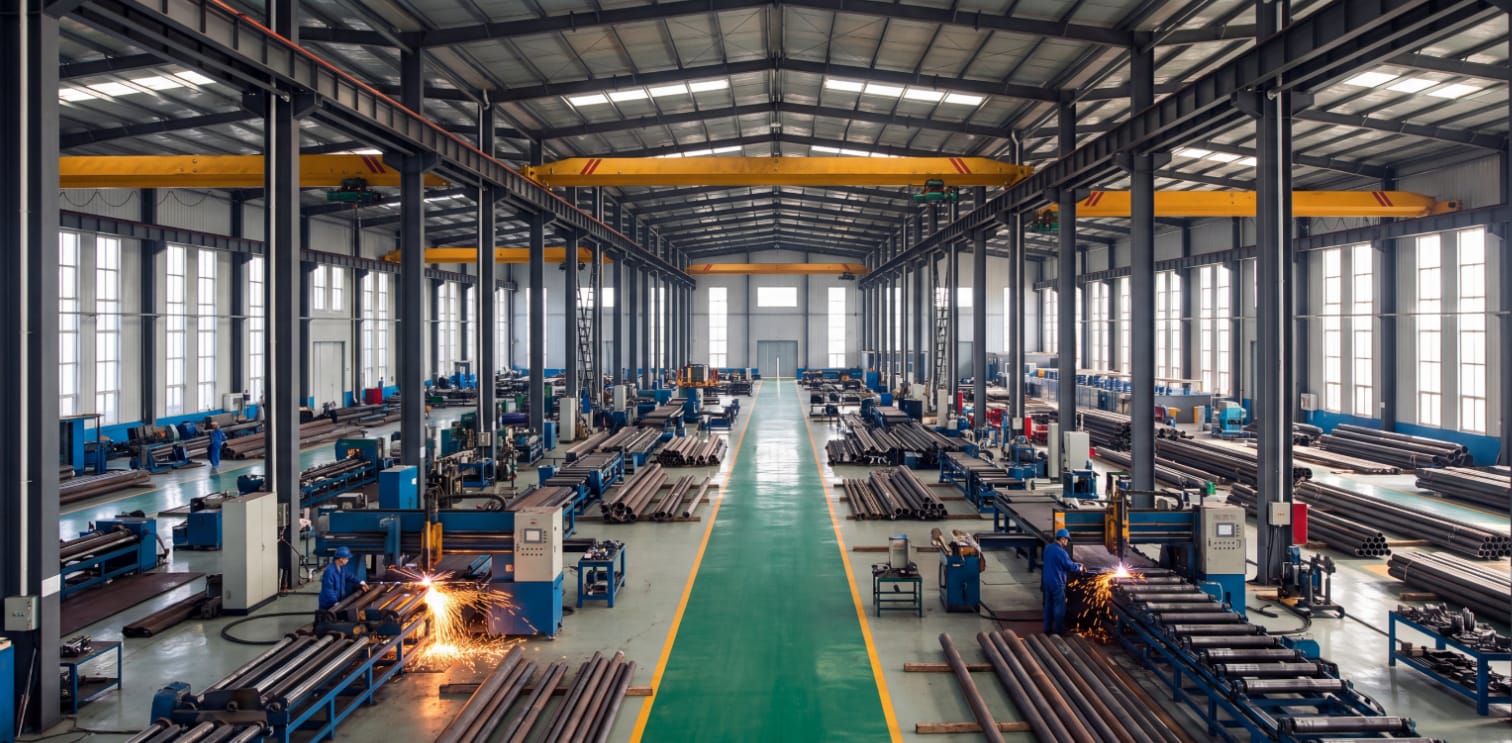
China's GB series for amusement rides and installations defines domestic requirements for design, manufacture, installation and inspection, and is the framework Chinese manufacturers work to for the domestic market. Alongside the standards, the domestic regime uses type testing: a representative unit or design is tested against the applicable requirements, and the resulting records form part of the evidence package.
For export buyers, the relevant point is that domestic GB practice and type-test records are evidence of how the ride was engineered and verified in China. They are not automatically a substitute for the standard your market requires. A buyer importing from China should confirm, per project, which standard family the design basis names, and whether the domestic test records are accepted by the destination regulator or need to be supplemented.
What a buyer should ask for as evidence
Regardless of which family applies, the evidence set is similar in kind. Ask for:
- Design report — the document that states the design basis, the named standard and edition, and the assumptions.
- Calculation package — structural and mechanical calculations traceable to the design report, with load cases identified.
- Test records — factory and on-site test results, with the test procedure and acceptance criteria stated.
- NDT records — non-destructive testing of critical welds and components, with method, extent and results.
- Load test report — the commissioning load test, including how loads were applied and what was measured.
Ask also for the revision history of each document and for confirmation of who prepared and who reviewed it. A complete package with clear traceability is more useful than a certificate alone.
How to handle a market whose regulator has its own rules
Many markets publish their own ride regulations, which may reference ASTM, EN or GB, modify them, or stand apart from all three. The workable approach is procedural:
- Identify the regulator and the exact standard and edition it accepts, in writing, before design starts.
- Name that standard and edition in the technical specification and in the contract.
- Ask the supplier to state the design basis explicitly and to flag any area where the local rule differs from the named standard.
- Plan for third-party design review and for on-site inspection by the regulator's appointed body.
- Keep the evidence package in the format the regulator expects, not only in the supplier's house format.
Where a project spans markets, expect to maintain more than one documentation set rather than assuming one package will be accepted everywhere.
Standard comparison
| Standard | Region | What it covers | What to ask the supplier for |
|---|---|---|---|
| ASTM F2291 | United States | Design of amusement rides and devices: load cases, structures, restraints, control safety functions, documentation | Design report naming the edition; calculation package; restraint and control system documentation |
| EN 13814 | Europe | Amusement ride and amusement park machinery and structures, in parts covering structure, operation and inspection | Design basis to EN 13814; calculation package in EN format; instructions and inspection schedule |
| GB series | China | Domestic requirements for design, manufacture, installation and inspection of amusement rides, supported by type testing | GB design basis; type test records; factory test and NDT records; load test report |
Ride specifications and documentation scope for our equipment are set out on the specifications page; the applicable standard is confirmed per project with the destination regulator.
Next step
Before issuing an enquiry, write down the standard family and edition your regulator accepts, and send that with your ride brief. We will confirm the design basis for your project against it and list the documents you will receive.