
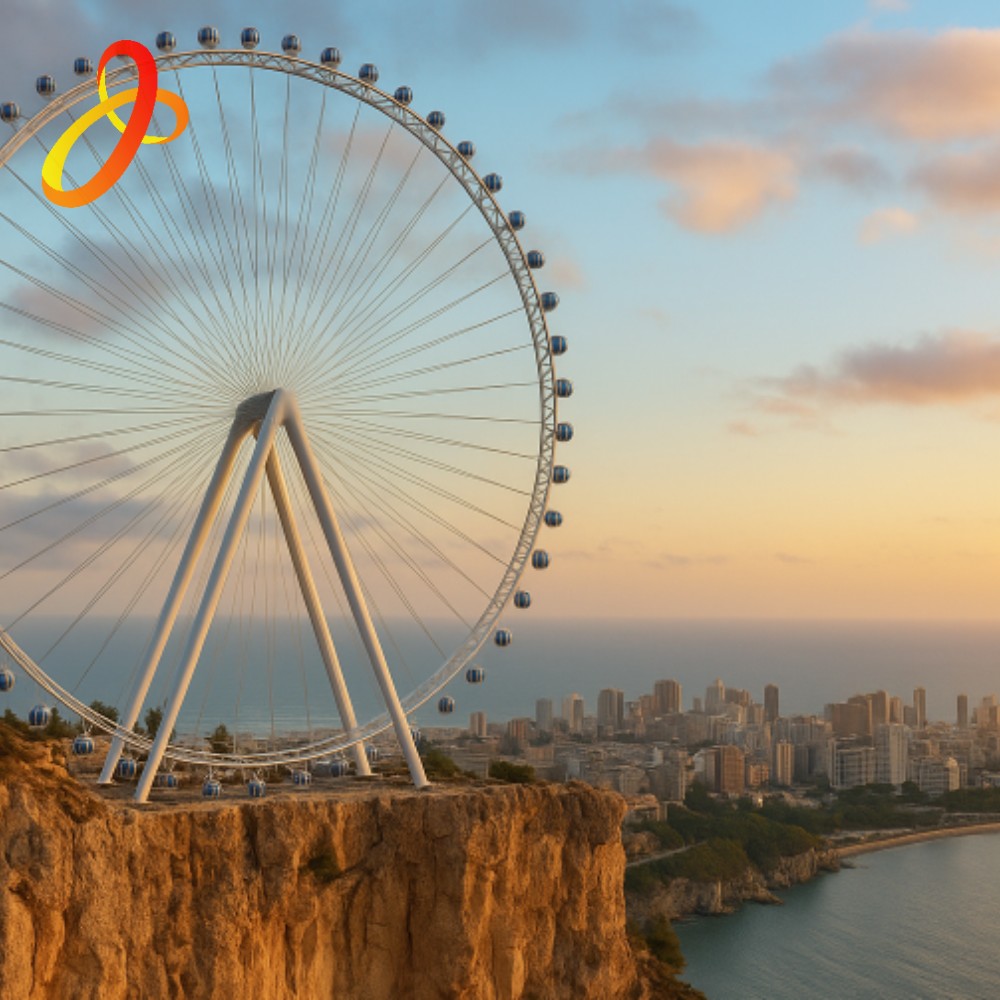
As cultural tourism parks develop rapidly, an interesting trend stands out. Many scenic areas invest heavily in large rides including Ferris wheels, tower rides, frisbee rides and roller coasters, yet outcomes differ greatly. Some projects instantly become popular park landmarks with stable visitors. Others, even with brand-new facilities, suffer low foot traffic and turn into idle equipment.
The success of amusement projects relies on three key points: equipment selection, visitor matching and project combination. Many operators blindly follow trends and buy popular rides without considering their park positioning and tourist groups, which leads to poor returns.
Family-oriented scenic spots that add intense thrill rides will face low usage. Urban parks targeting young crowds with only traditional sightseeing rides fail to generate social media buzz. Mismatched rides and visitors mean wasted investment.
Successful parks balance mild and thrilling attractions. Ferris wheels and tower rides are eye-catching and fit all ages to secure basic visitors. Roller coasters and frisbee rides attract young people and create viral short-video content.
Homogenization is another major issue. Similar ride layouts leave tourists without unique memories, lowering repeat visits. Well-run parks combine proper rides with scene design, night events and seasonal activities to enrich the visitor experience.
The industry no longer guarantees visitors simply by installing rides. Future competition lies in precise selection, differentiated layout and refined operation. Matching leisure and thrill rides to your audience turns attractions into assets for drawing guests and increasing revenue.
As an original amusement manufacturer, we customize ride plans according to site conditions, park positioning and target visitors. We help parks avoid homogenization and build unique landmark projects for sustainable operation.