
What is a launch coaster
A launch coaster is a roller coaster that accelerates the train from a standstill using a powered launch system instead of a conventional lift hill. The two main technologies are the linear motor launch, which drives the train with magnetic force along the track, and the hydraulic launch, which pulls the train with a cable wound by a hydraulic winch. Both reach their top speed in a few seconds and give the guest a sustained push in the back rather than the slow climb of a chain lift.
How the two launch systems work
Linear motor launch
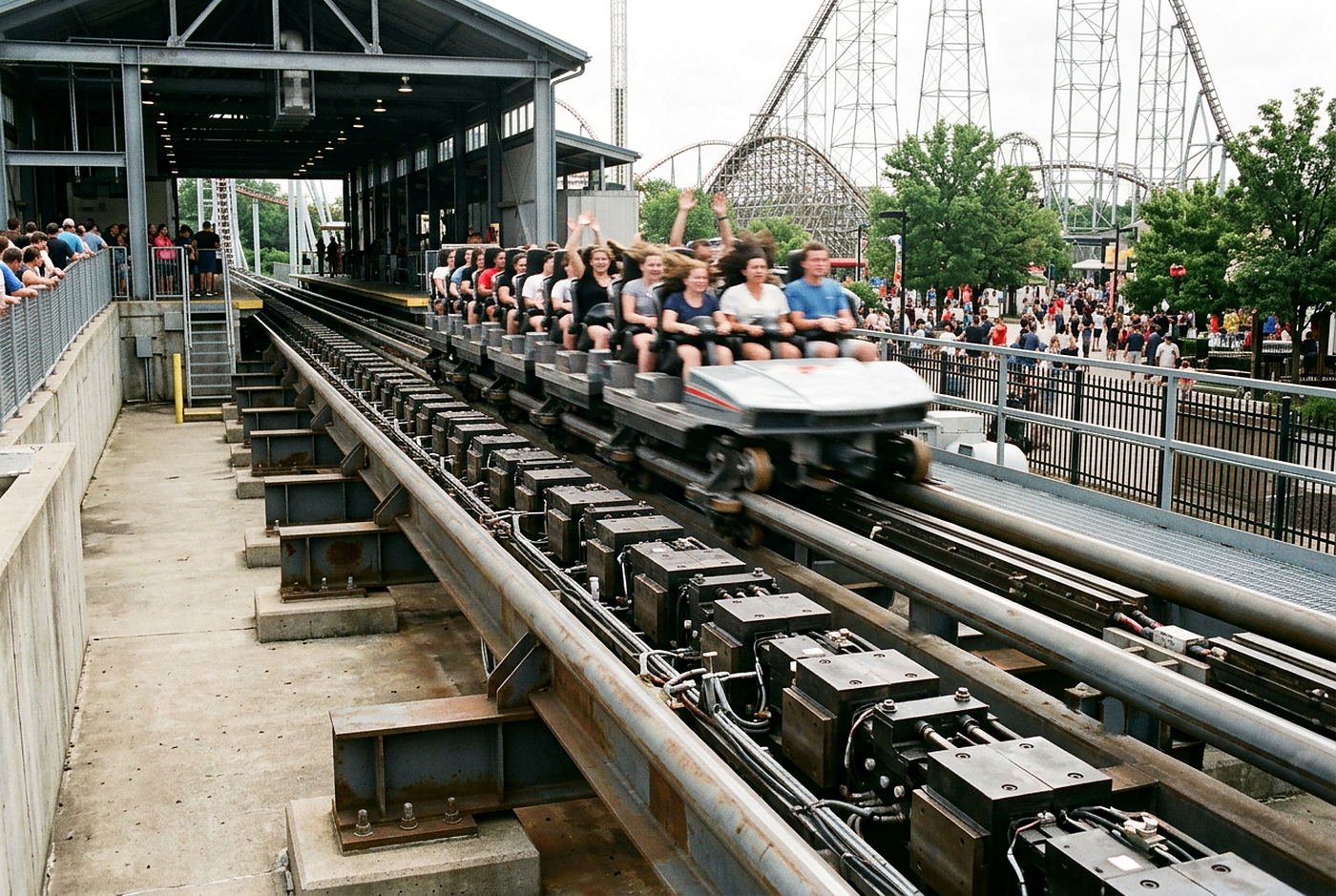
A linear motor launch uses a row of stators mounted along the launch track and a reaction plate fixed under each train. When the stators are energised in sequence, they create a travelling magnetic field that pulls the train forward. There is no cable and no mechanical contact between the drive and the train, so the launch force can be tuned electrically and the same track can run different acceleration profiles. On a ZhipaoRides linear motor coaster, the launch run is a straight or gently curved section with the stators under the rails; the train leaves the launch at its top speed and goes straight into the first element.
Because the drive is electrical, a linear motor launch can be reset quickly. If a train stops on the launch track, the control system can roll it back to the station and launch again without a mechanical rewind. This matters for parks running short cycle times and for family-oriented layouts where the launch is part of the show rather than a one-off thrill.
Hydraulic launch
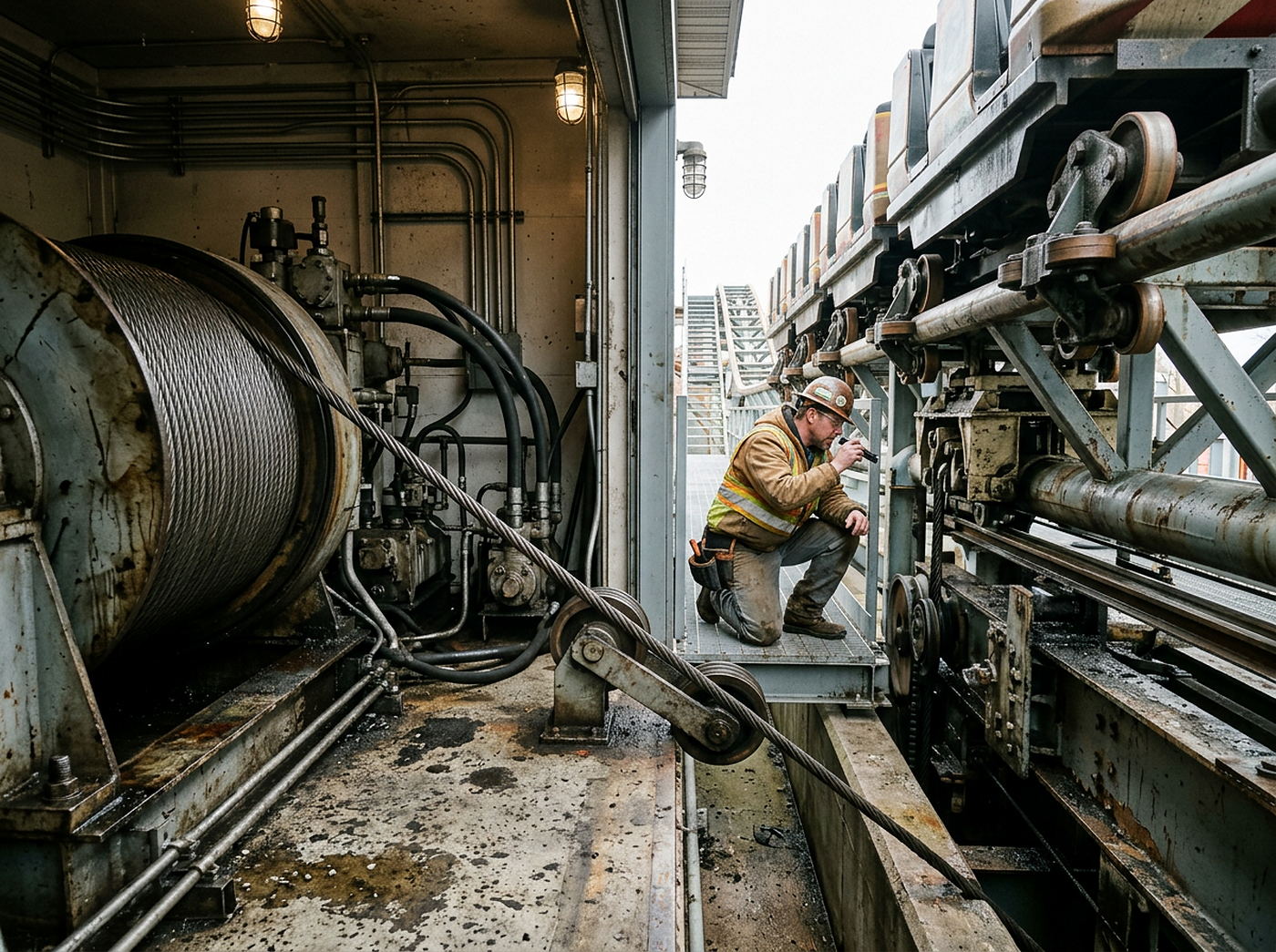
A hydraulic launch uses a cable that runs under the track and connects to a catch car under the train. A hydraulic winch pulls the cable at high pressure, and the train is dragged along the launch track until the cable releases at the end. The acceleration is very high and is delivered in one continuous push. Hydraulic systems are typically used on high-thrill layouts where the launch is the main event and the track is designed around that single strong acceleration.
The trade-off is mechanical: the winch, accumulators and cable need regular inspection, and a launch cannot be repeated as quickly as an electrical one. Parks that choose hydraulic launches usually plan the station and maintenance bay around the winch room and the cable change interval.
Specification comparison
| Item | Linear motor launch | Hydraulic launch |
|---|---|---|
| Drive | Linear stators and reaction plate on the train | Hydraulic winch, cable and catch car |
| Contact with train | None (magnetic) | Cable and catch car |
| Launch profile | Programmable, can vary per train | Fixed by hydraulic pressure and cable run |
| Reset after a stop | Roll back and relaunch under power | Rewind winch and re-engage catch car |
| Maintenance focus | Stators, power supply, cooling | Winch, accumulators, cable wear |
| Typical use | Family and thrill layouts, repeat launches | High-thrill single-launch layouts |
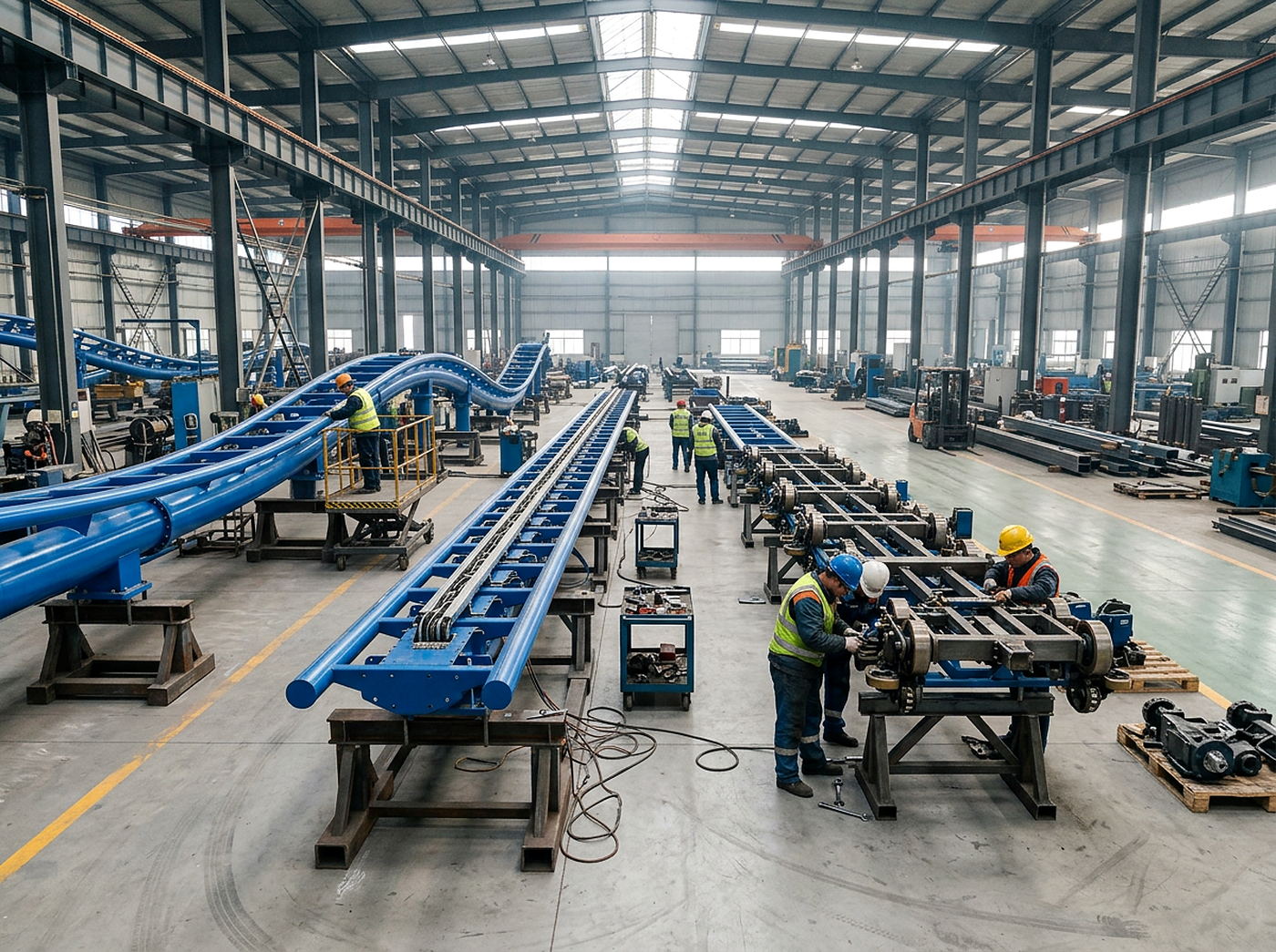
ZhipaoRides builds both types in Xingtai, Hebei, alongside its other coaster and family ride models. The choice between them is a layout and operations decision, not a quality ranking: the same park can use a linear motor launch on a family coaster and a hydraulic launch on a headline thrill ride.
What the guest feels
The guest experience is the clearest difference between the two systems. A linear motor launch builds speed in a controlled, almost silent push. The train accelerates smoothly, the wind noise rises, and the first drop or inversion arrives while the train is still at launch speed. Because the force is programmable, the park can set a gentler profile for a family coaster and a stronger one for a thrill ride on the same hardware.
A hydraulic launch feels more abrupt. The catch car engages, the cable pulls, and the guest is pressed back into the seat in one strong surge. The sound is mechanical and the acceleration is highest at the start. This suits riders who want the launch itself to be the memory of the ride.
In both cases, the restraint and seat geometry matter as much as the launch force. A launch coaster loads and dispatches from a station with no lift hill, so the train is already at speed within a few seconds of leaving the platform. Queue design, station gates and the pre-launch sequence carry more of the guest experience than on a lift-hill coaster.
Where a launch coaster fits
- Parks with limited land: a launch replaces the long lift hill and allows a compact layout with a strong first element.
- Parks that want a signature moment near the entrance: the launch is visible and audible from the midway.
- Family parks moving up from powered coasters: a linear motor launch can be tuned to a moderate acceleration.
- Thrill parks that want a single high-impact headline ride: a hydraulic launch delivers a strong, repeatable start.
Where it does not fit
- Sites with unstable power supply: a linear motor launch draws a large electrical load in a short window and needs a suitable supply and cooling.
- Parks without maintenance capacity for high-pressure hydraulics: a hydraulic launch needs trained staff and a spare-parts plan for the winch and cable.
- Very small children's areas: the acceleration and restraint system are designed for riders above the park's height and age policy, not for junior rides.
- Parks that need continuous high throughput with minimal downtime: both launch types need a maintenance window, and the launch section is the critical path in the daily inspection.
For parks comparing layouts, the launch roller coaster models available for sale page lists the current ZhipaoRides configurations. Buyers who are still deciding between a launch and a lift hill can review the launch coaster options alongside the company's other coaster models before committing to a site plan.
FAQ
Is a launch coaster the same as a powered coaster?
No. A powered coaster has a motor in the train that drives it around the whole circuit. A launch coaster has no drive motor in the train; the launch system in the track accelerates it once, and the ride then runs on gravity and momentum.
Which launch type is faster?
Both types can reach high speed. The difference is in the acceleration profile: a hydraulic launch delivers a sharper initial push, while a linear motor launch can be programmed to a chosen acceleration curve. The right choice depends on the layout and the target rider, not on top speed alone.
Can a linear motor launch run in rain?
Launch systems are designed for the park's climate, but electrical stators and track surfaces need the manufacturer's operating limits applied. Parks in wet climates should confirm the launch section's drainage and the control system's weather policy during planning.
How long does a launch take?
A launch run is a few seconds from standstill to release speed. The exact duration depends on the train mass, the launch force and the length of the launch track, and is set during commissioning.