
What actually drives a ferris wheel price
When developers ask for a ferris wheel price, the useful answer is not a single number. Between a 42 m wheel and a 103 m wheel there is a large cost range, and most of the difference comes from a short list of engineering and logistics factors. This article explains those factors so you can compare quotes on equal terms and prepare a realistic budget.
ZhipaoRides manufactures observation wheels and other amusement rides at its plant in Xingtai, Hebei, and exports them to markets including Russia, Southeast Asia, the Middle East, South America and Africa. The points below reflect how the company scopes a wheel project, from the smallest 42 m class up to 103 m.
The factors that move the price most
1. Height and the structural class it puts you in
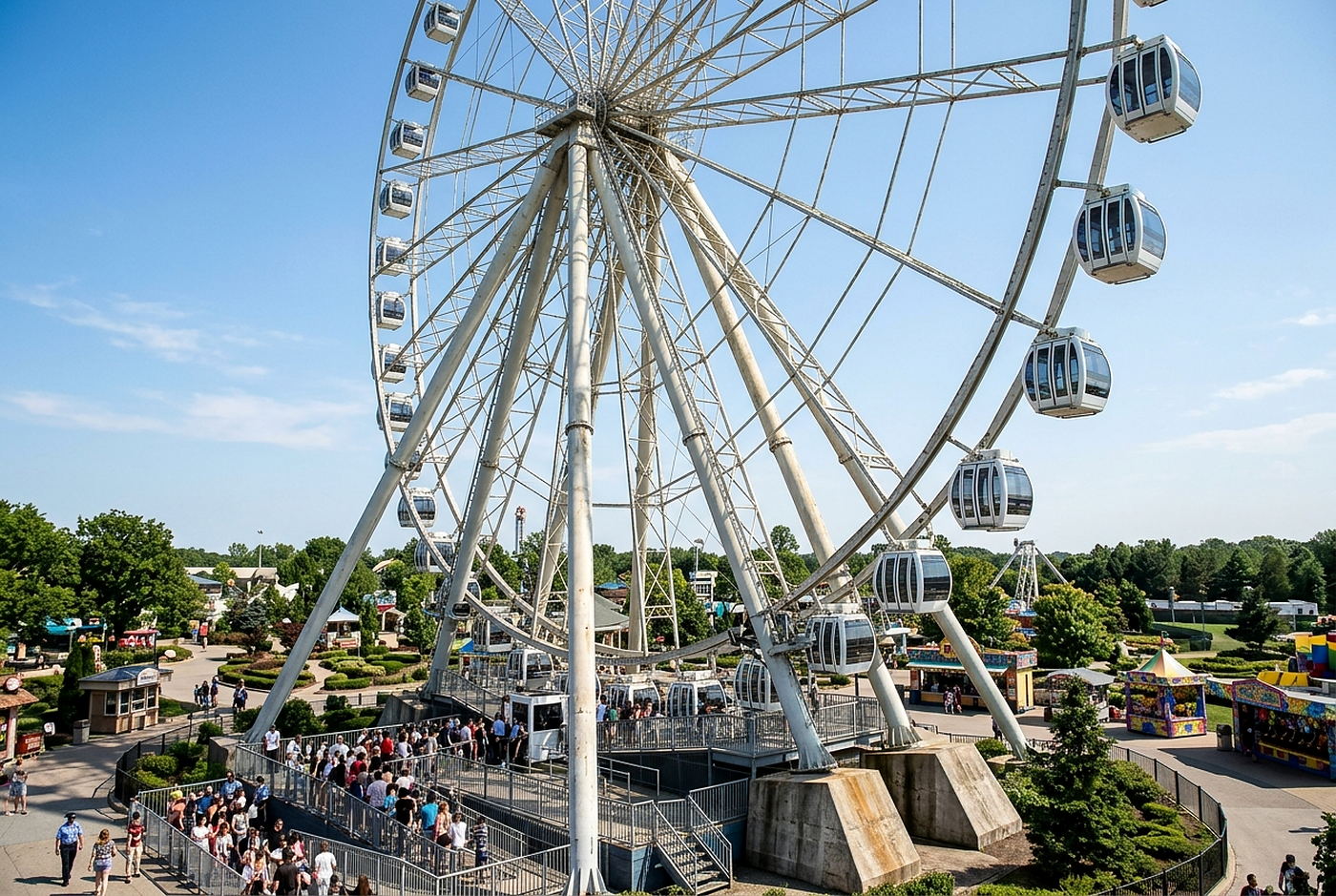
Height is the first cost driver because it changes the structural system, not just the amount of steel. A 42 m wheel can often use a simpler support structure and lighter cabins. As you move toward 66 m and beyond, the wheel rim, spokes, hub and legs must be engineered for higher wind loads and for the dynamics of a larger rotating mass. At the top of the range, around 103 m, the wheel becomes a landmark structure with corresponding engineering, fabrication and installation requirements.
If you are comparing models, start with the ferris wheels available for sale and note the height classes on offer. A 66 m wheel is a common middle point: large enough to be a park landmark, smaller than a 103 m wheel in foundation and erection demands. The 66 m pure steel cable ferris wheel page shows how one model in that class is specified.
2. Structure type: pure steel cable vs. truss
Two wheels of the same height can differ in price depending on how the rim and spokes are built. A pure steel cable design uses tensioned cables as spokes, which reduces steel weight and can simplify some fabrication steps. A conventional truss-spoke design uses more steel members and more connections. The trade-offs show up in material cost, fabrication hours, transport volume and maintenance access. Neither is automatically cheaper for every site; the right choice depends on height, wind exposure and how the wheel will be maintained over its service life.
3. Cabin count, cabin type and passenger capacity
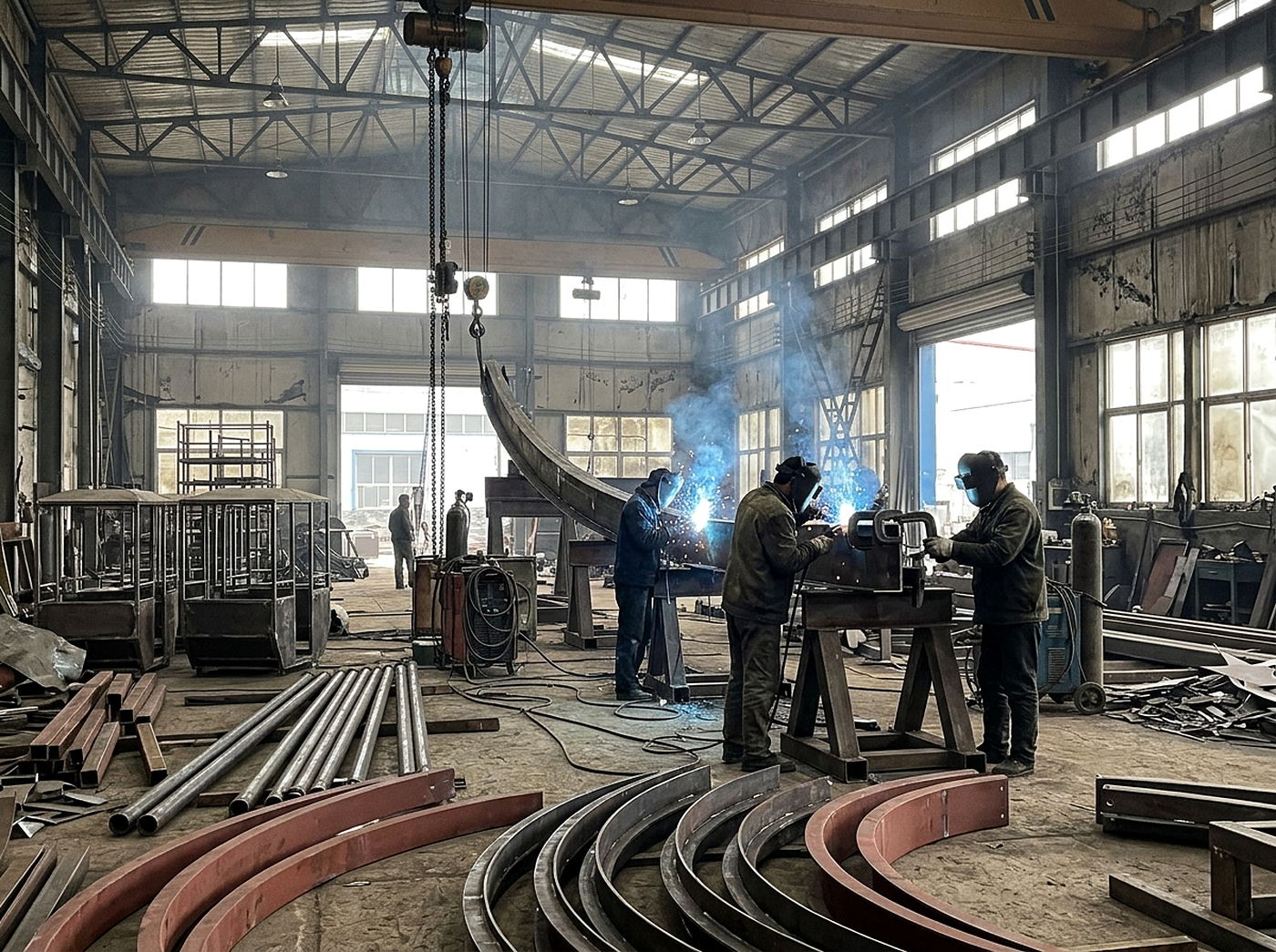
Cabins are a major line item because they multiply. A wheel with 36 cabins costs more than the same wheel with 24, and enclosed, air-conditioned cabins with panoramic glazing cost more per unit than open or simple enclosed cabins. Passenger capacity, boarding time and accessibility requirements also affect the number of cabins and the platform layout. When you compare quotes, check whether the cabin count and cabin specification are the same; a lower headline price often reflects fewer or simpler cabins.
4. Foundation and site conditions
The wheel price is not the whole project cost. Foundation design depends on soil conditions, groundwater, seismic zone and the local wind climate. A 103 m wheel on soft ground may need a substantially larger foundation than the same wheel on rock. Ask each supplier what foundation loads their design imposes, so your civil engineer can price the foundation separately. This is one of the most common sources of budget overrun when buyers compare only the ride price.
5. Wind and seismic rating
Observation wheels are tall, slender structures, so design wind speed and seismic requirements directly affect steel weight and connection design. A wheel engineered for a high-wind coastal site will not have the same price as one engineered for a sheltered inland park. Provide the site coordinates and the applicable local design codes early; a quote based on assumed loads is only an estimate.
6. Transport, erection and commissioning
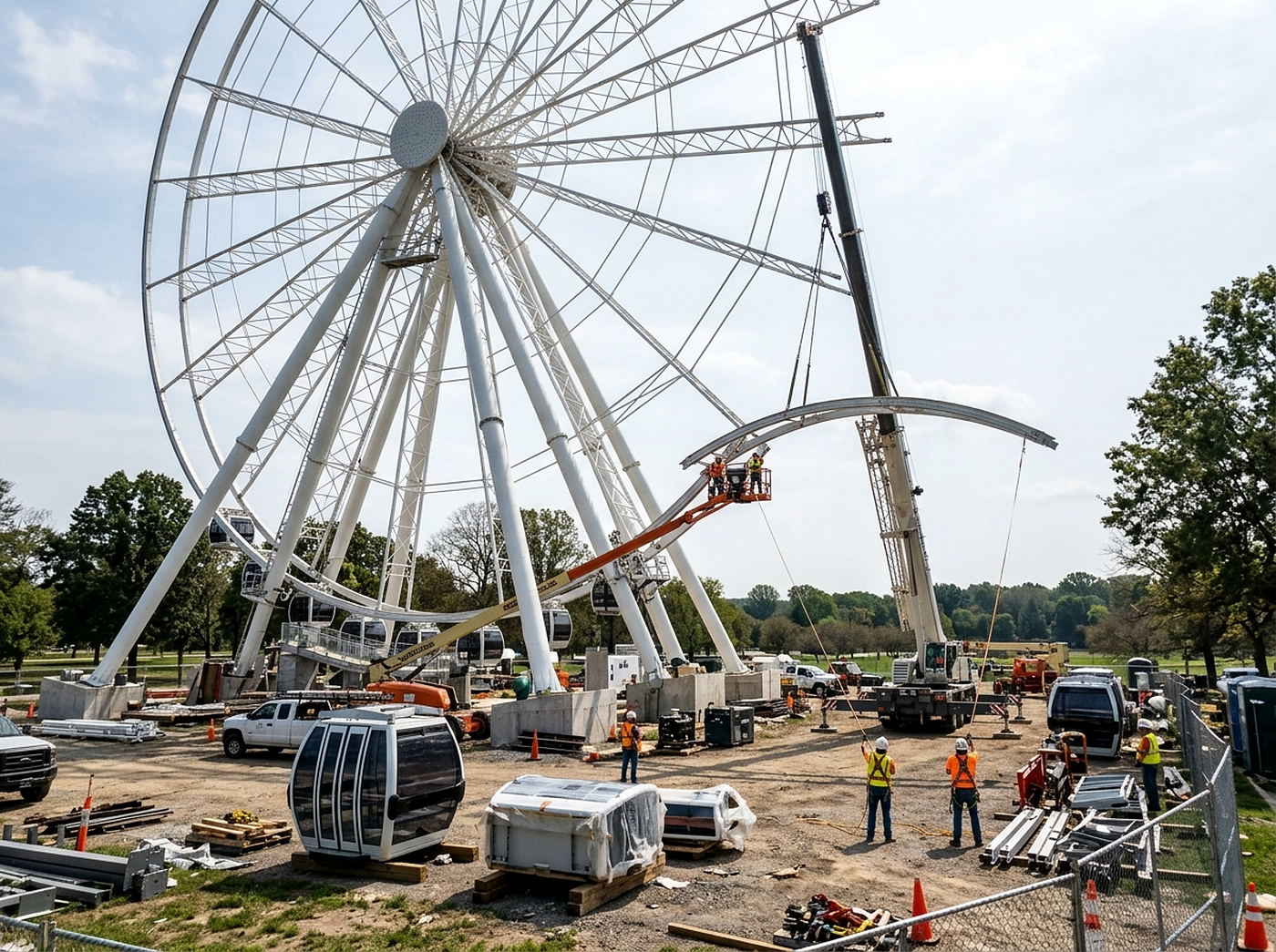
Large wheels are shipped in sections, and the shipping volume and weight affect freight cost. Erection method matters too: a 42 m wheel may be assembled with a moderate crane, while a 103 m wheel typically needs a larger crane package, more site supervision and a longer erection schedule. Ask whether the quotation includes supervision, special tools, and commissioning, or whether those are separate line items.
7. Electrical, control and safety systems
Drive systems, braking, backup power, control cabinets, lighting and communication systems scale with wheel size and with local requirements. A larger wheel carries more cabins and more passengers, so monitoring and evacuation provisions become more elaborate. Specify the required standards and the local authority having jurisdiction at the inquiry stage.
How to compare quotes on equal terms
Use a like-for-like checklist before you compare ferris wheel price figures from different suppliers:
- Height, cabin count and cabin specification (open, enclosed, air-conditioned, glazing).
- Structure type and steel weight, with the design wind speed and seismic parameters stated.
- Foundation load data supplied for your civil engineer.
- Scope split: design, fabrication, transport, erection supervision, commissioning, spare parts and training.
- Delivery schedule and the port of shipment.
- Documentation package: drawings, operation and maintenance manuals, and inspection records.
A quote that lists these items can be compared directly. A single lump sum usually cannot.
Budget planning: what to ask before you commit
- What is the design wind speed and seismic acceleration used for this wheel, and does it match my site?
- What foundation loads will the wheel impose, and can you provide them before contract?
- Which items are excluded from the price: foundation, site power, crane hire, local labor, taxes and duties?
- What is the expected erection duration and how many supervisors will be on site?
- What spare parts and maintenance intervals should I budget for in the first three years?
Next step
To get a scoped quotation rather than a rough figure, send ZhipaoRides your site location, preferred height class (42 m to 103 m), expected passenger throughput, cabin preferences and the local design codes that apply. The engineering team can then confirm the structure type, cabin count and scope, and provide foundation load data for your civil engineer. You can review the model range on the ferris wheel product page first, then request a quotation matched to your site.