
Start with the three cost blocks, not the headline price
When park developers compare ride quotations, the number that gets the most attention is the ride price itself. That number is only one of three cost blocks that will decide whether the project stays inside its budget. The other two are site works and spares. A useful way to plan a theme park ride budget is to treat all three as one package from the first meeting with a supplier.
Across the ride types ZhipaoRides manufactures — roller coasters, Ferris wheels, drop towers, flying theatres and family rides — the split between the blocks changes with ride height, foundation loads, queue layout and local construction costs. The ranges below are planning ranges, not quotations. They help you frame questions and compare offers on equal terms.
Typical split: hardware, site works, spares
For a mid-size family or thrill ride installed on a prepared site, a common planning split looks like this:
| Cost block | Share of total budget | What it covers |
|---|---|---|
| Ride hardware | 55–65% | Structure, track or tower, vehicles, drive and control system, restraint system, factory testing, packing and freight |
| Site works | 25–35% | Foundations, civil works, power supply, fencing, queue line, landscaping, installation labour and commissioning support |
| Spares and commissioning stock | 5–10% | Recommended spare parts list, wear items, special tools, first service consumables |
Two adjustments move these numbers. A tall structure such as a Ferris wheel or a drop tower pushes site works toward the upper end because foundations and erection planning carry more weight. A compact family ride on flat, stable ground can sit near the lower end. Freight distance and port handling also shift the hardware share, especially for large structures shipped in sections.
Hardware: what the ride price should include
Ask for the hardware price broken down by major assembly: structure, drive, vehicles, control system and restraint system. A single lump sum is hard to compare across suppliers and hard to adjust later if the layout changes.
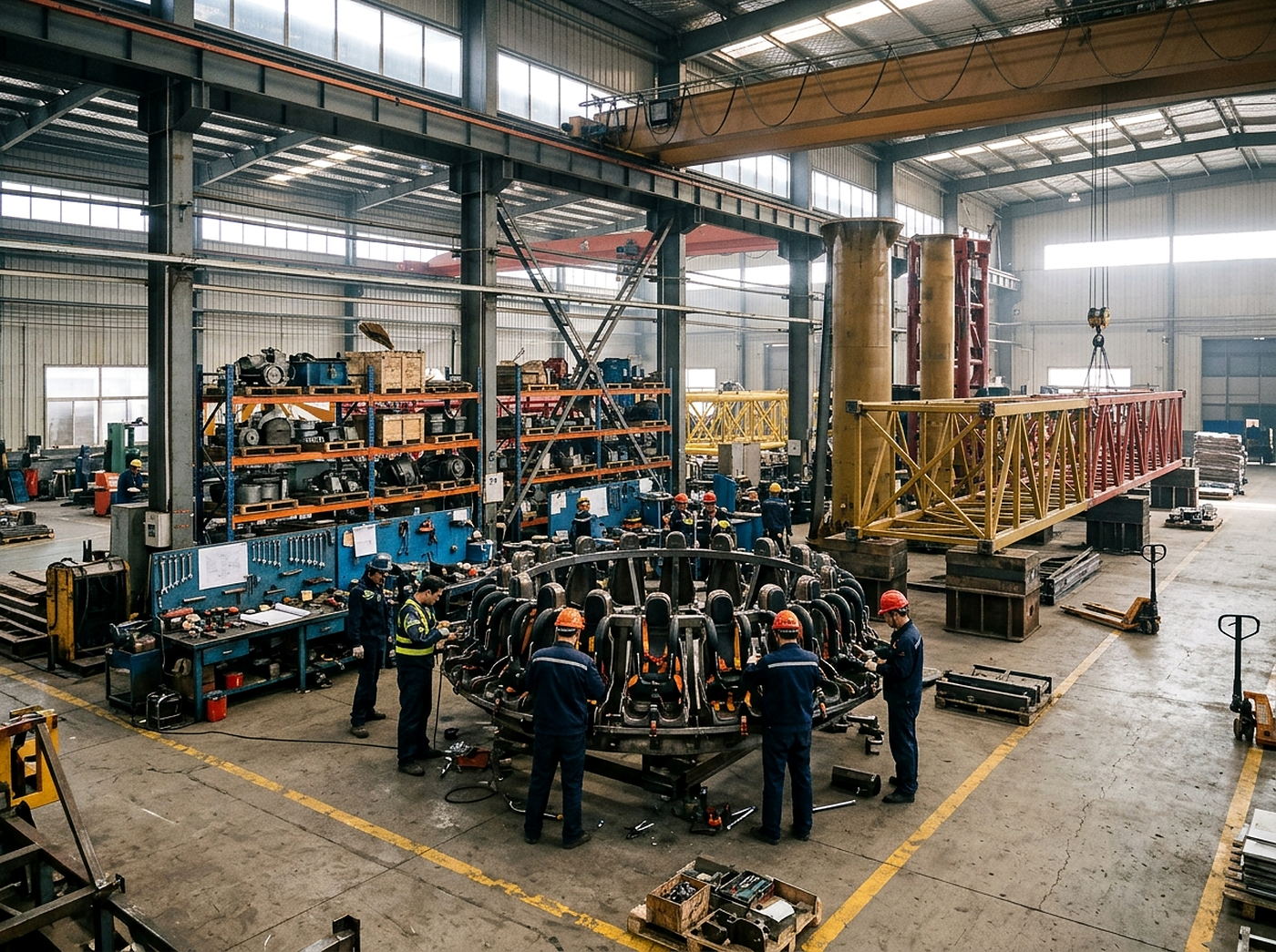
Confirm what is inside the hardware block. Factory assembly and testing before shipment should be listed. So should the control system, operator interfaces, safety circuits and the documentation set: drawings, maintenance manuals and operating procedures. If the ride is exported, clarify packing standards and who arranges freight and insurance.
For technical parameters by ride type, the ride specifications page gives height, capacity and footprint data you can use to size the hardware block before you request a quotation.
Site works: the block that most often overruns
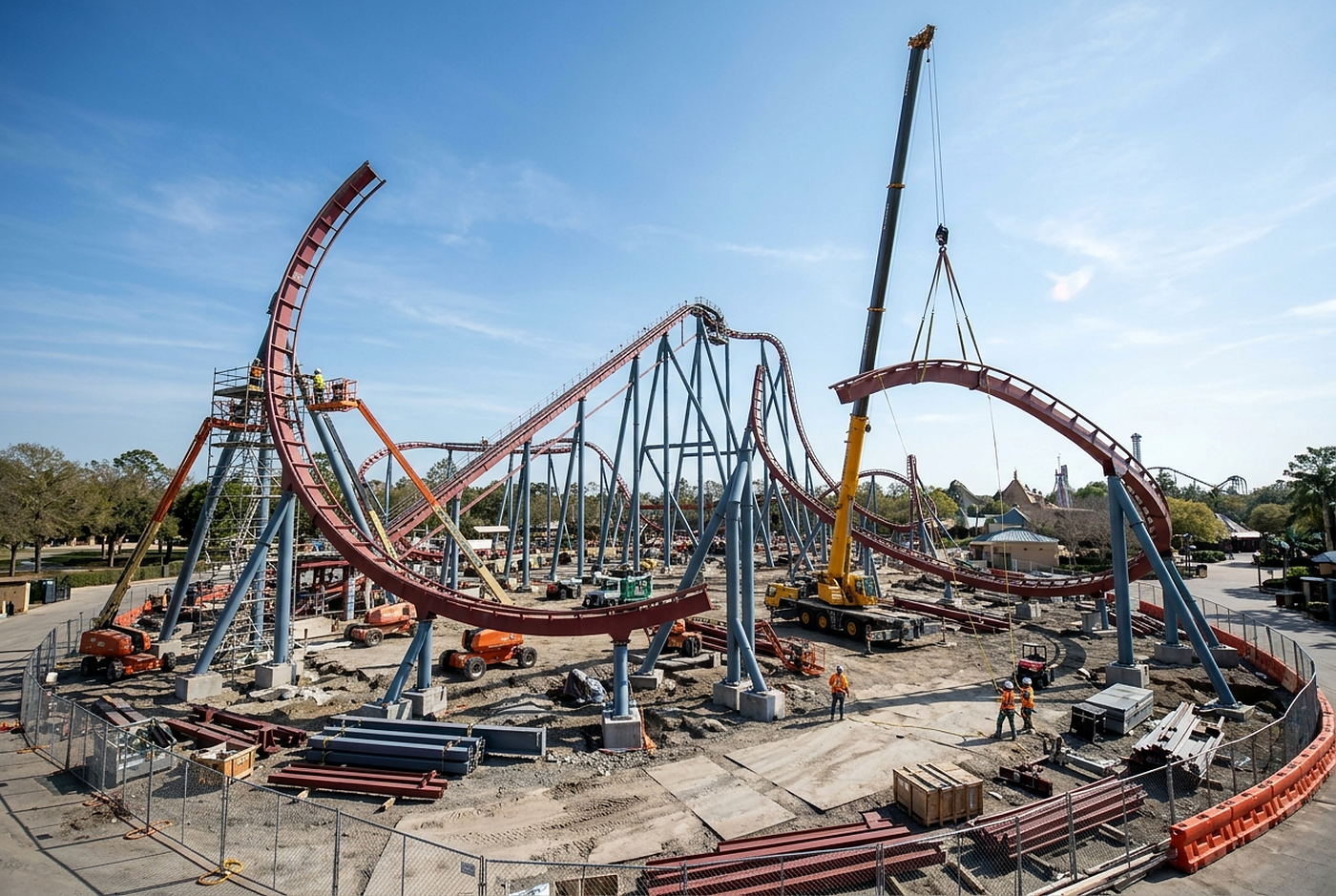
Site works are where budgets slip. The ride supplier controls the hardware price, but local contractors control foundations, power and access. Get a geotechnical report early. Foundation design depends on soil conditions, and a weak or variable site can change concrete volumes substantially.
List the site works items explicitly in your budget:
- Excavation and reinforced concrete foundations, including anchor bolt sets
- Power supply to the ride, including transformer capacity and cable routes
- Erection crane hire and access roads for delivery vehicles
- Queue line, boarding platform, fencing and gates
- Operator cabin, lighting and signage
- Drainage and landscaping reinstatement
Installation supervision is usually provided by the manufacturer while the labour is local. Agree in writing how many supervisor days are included and what the day rate is beyond that. This single line item causes more disputes than any other in the site works block.
Spares: small share, large effect on uptime
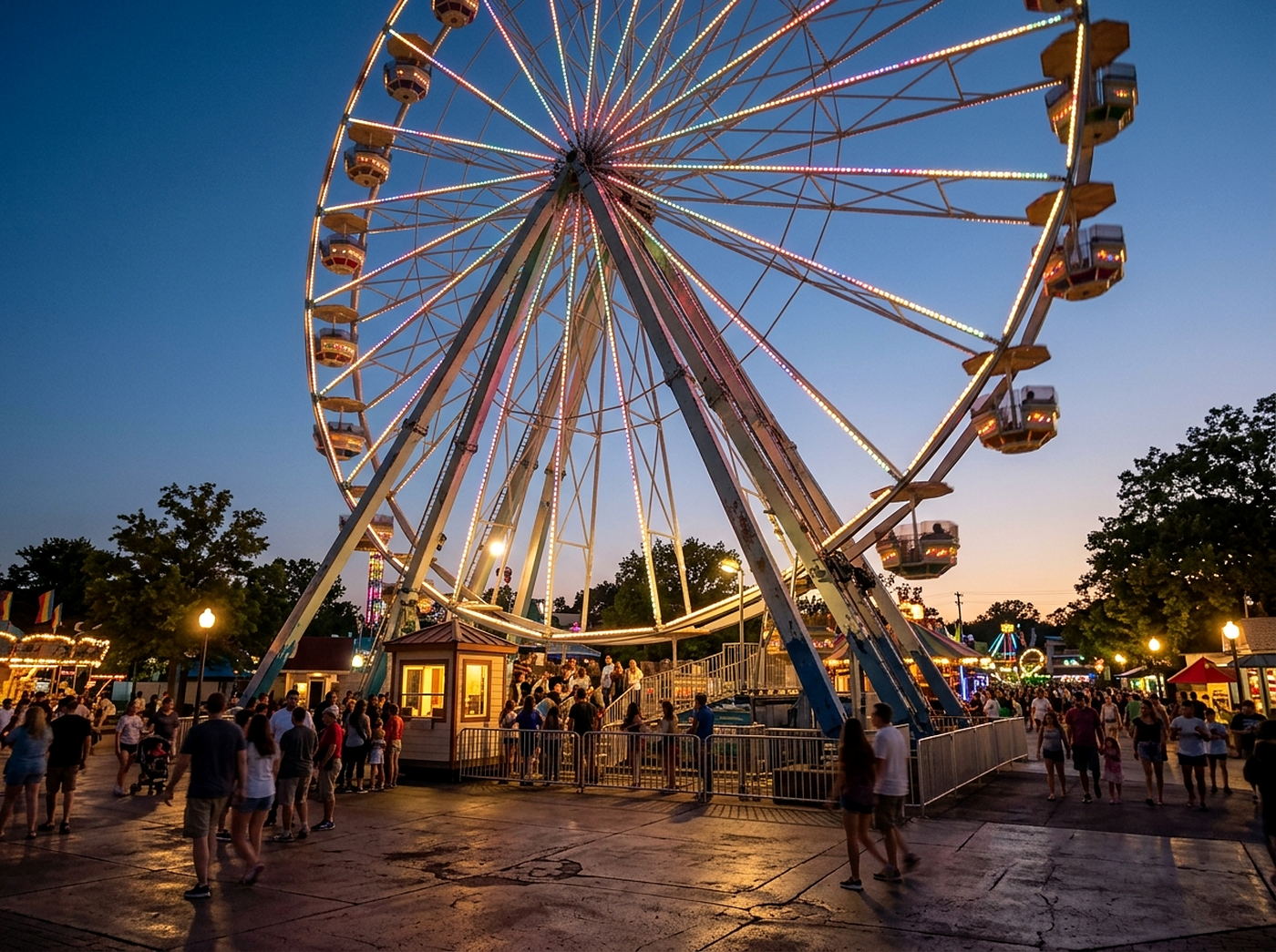
Spares typically take 5–10% of the total budget, but they decide how quickly the ride returns to service after a fault. Split spares into three groups:
- Commissioning stock: wear items and consumables needed during the first months of operation.
- Critical spares: parts whose failure stops the ride, such as sensors, brake components and drive parts. Keep at least one of each on site.
- Service tools: special tools and diagnostic equipment named in the maintenance manual.
Ask the supplier for a recommended spare parts list with part numbers and lead times. Lead times matter as much as price: a low-cost part with a twelve-week lead time is not a spare, it is a future closure. For parks in Russia, Southeast Asia, the Middle East, South America and Africa, holding critical spares locally avoids customs delays during the operating season.
Comparing quotations on equal terms
When you receive quotations, normalise them before comparing totals. Check that each offer states:
- Whether foundations and anchor bolts are included or excluded
- Whether freight, insurance and port handling are included
- Number of installation supervisor days included and the rate beyond
- Recommended spare parts list and its price
- Documentation and training included in the hardware price
A quotation that looks lower often excludes foundations or spares. Putting the three blocks side by side shows the real comparison. ZhipaoRides, which manufactures in Xingtai, Hebei, provides scoped quotations structured around these blocks so park developers can see what each line covers.
Sequencing the budget across the project timeline
Cash flow matters as much as the total. A typical sequence runs: deposit with order, progress payment at factory testing, balance before shipment, then local spending on site works and installation. Spares are usually ordered with the ride to ship in the same container, which reduces freight cost.
Keep a contingency of 10–15% of the total budget outside the three blocks. It covers soil surprises, currency movement on imported components and schedule changes. Do not fold contingency into the spares line; it will be spent and the spares will be cut.
Next step: request a scoped quotation
Send your site plan, expected ride type, target capacity and opening date. A scoped quotation should separate hardware, site works assumptions and spares, and state what is included and excluded in each block. For export markets and regional delivery experience, see the markets we serve. With the three blocks priced separately, you can compare suppliers on the same basis and set a theme park ride budget you can defend to your board.