
What Is Ride Capacity Per Hour?
Ride capacity per hour (sometimes written as riders per hour or RPH) is the number of guests a ride can dispatch in one hour under normal operating conditions. It is calculated as the number of guests per cycle multiplied by the number of cycles per hour. Parks use this number to size queues, plan staffing and estimate how long guests will wait.
The definition matters because capacity is not the same as the number of seats on the ride. A coaster with 24 seats that completes a cycle every 90 seconds has a theoretical capacity of 960 guests per hour. A ride with the same seat count but a 3-minute cycle has half that. The formula below shows how parks turn cycle time and seat count into a queue-sizing number.
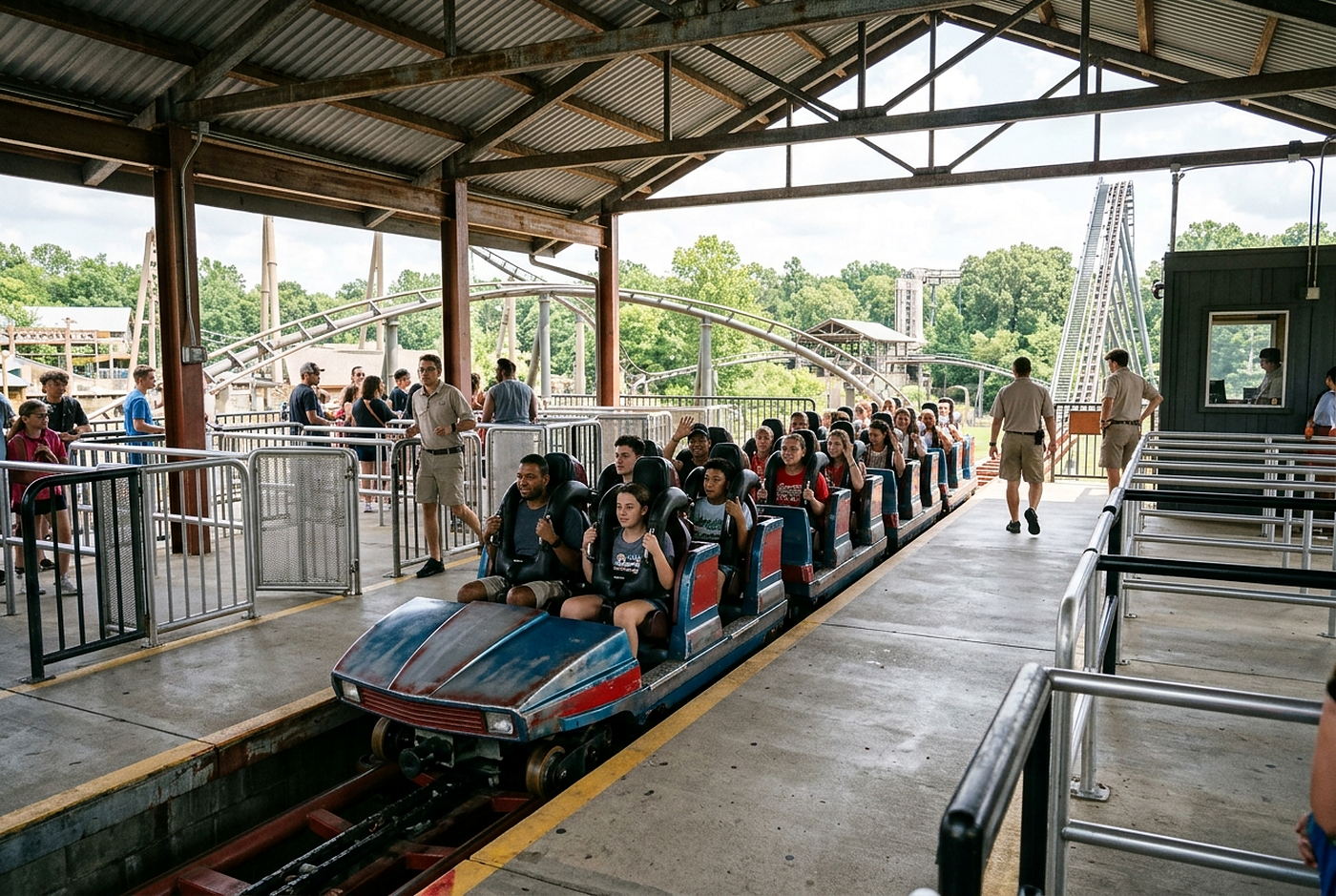
The Capacity Formula Parks Use
Park planners use a simple three-step formula to estimate hourly capacity and then convert it into queue length.
- Guests per cycle. Count the usable seats or ride units, not the installed seats. If a family coaster has 20 seats but two are reserved for accessibility, use 18.
- Cycles per hour. Divide 3,600 seconds by the cycle time in seconds. Cycle time includes loading, dispatch, the ride itself, unloading and the interval before the next dispatch.
- Hourly capacity. Multiply guests per cycle by cycles per hour. Then apply an efficiency factor, typically 0.85 to 0.95 in planning, to account for slower loading at peak times.
For queue sizing, divide the expected hourly arrivals by the hourly capacity. If a park expects 1,200 guests per hour to arrive at a ride with a capacity of 900 per hour, the queue will grow by 300 guests every hour. Planners then decide how much queue space to build and whether to add a second train or cabin.
ZhipaoRides publishes cycle and seat data for each model so park developers can run this calculation before ordering. The company manufactures in Xingtai, Hebei, and exports to Russia, Southeast Asia, the Middle East, South America and Africa.
Specification Table: Capacity Inputs to Check
The table below lists the inputs that affect hourly capacity. Use it when comparing models or reviewing a supplier's capacity claim.
| Input | What It Means | Why It Matters for Queue Sizing |
|---|---|---|
| Seats per cycle | Usable seats or ride units dispatched together | Sets the upper limit of guests per cycle |
| Cycle time | Seconds from dispatch to next dispatch | Determines cycles per hour |
| Load/unload time | Time guests take to board and exit | Often the largest variable in real capacity |
| Number of vehicles | Trains, cabins or gondolas in operation | More vehicles can reduce the interval between dispatches |
| Efficiency factor | Planning discount for slower loading | Prevents overestimating throughput |
For a full list of model specifications, see the ride specifications page.
Where Capacity Per Hour Fits — and Where It Does Not
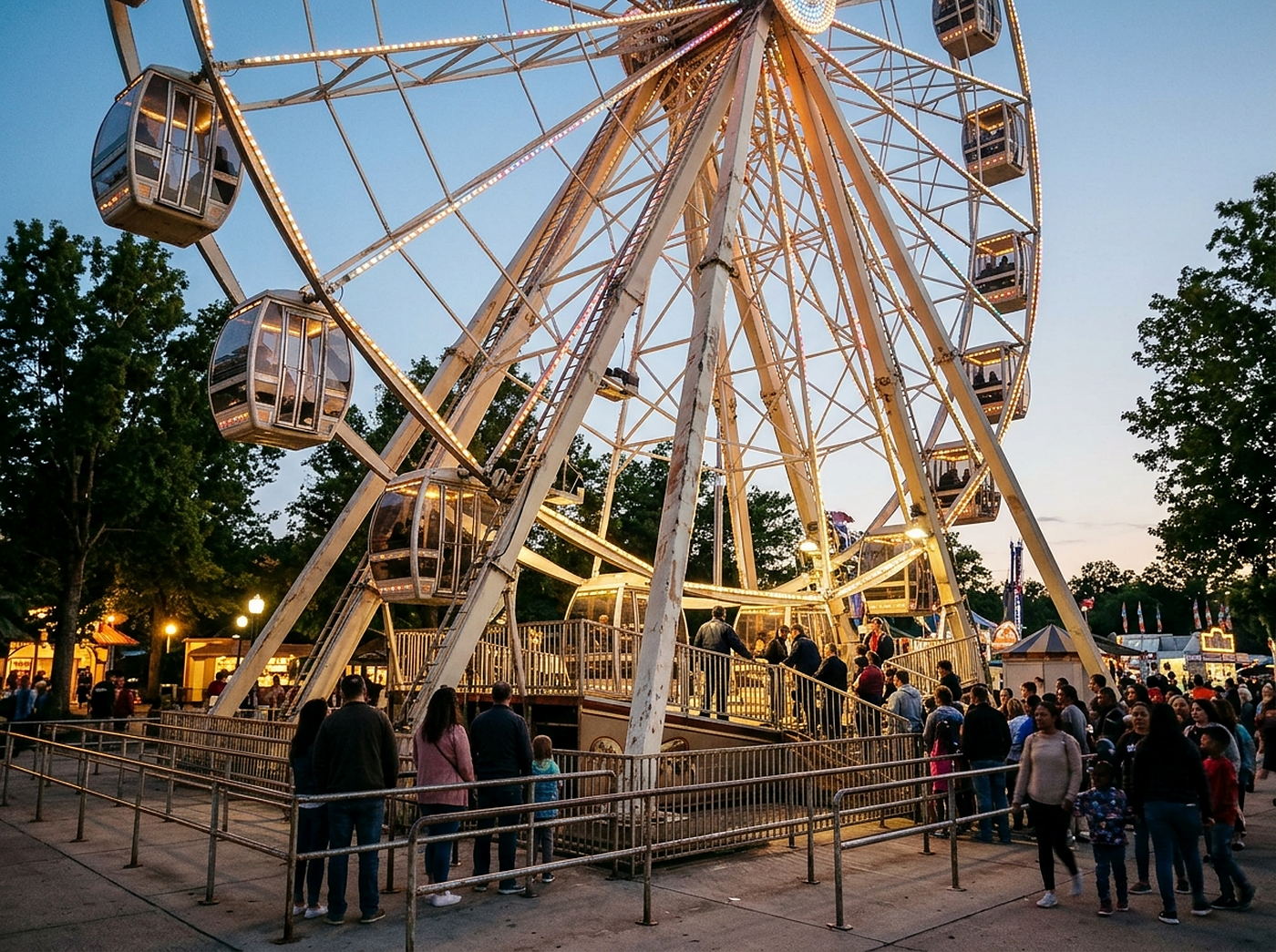
Hourly capacity is the right metric for rides with a fixed dispatch cycle: roller coasters, drop towers, Ferris wheels and flying theatres. It helps parks match ride throughput to expected footfall and decide how much queue space to build.
It is less useful in three cases. First, continuous-loading rides such as carousels or flat rides with open boarding do not have a clean cycle time, so capacity is better measured by observation. Second, rides with variable guest behavior, such as water rides where guests adjust restraints slowly, need a wider efficiency range. Third, capacity per hour does not describe the guest experience. A ride with high capacity but a long walk to the entrance can still feel crowded.
Park developers should also check how capacity changes with the number of vehicles. A coaster with one train may run 600 guests per hour; adding a second train can raise capacity without changing the layout. The model specifications should state the vehicle count used in the capacity figure.
How to Use the Formula in Planning
Start with the park's expected peak hourly attendance for the ride. Divide by the ride's planned capacity to get the arrival rate per minute. Then multiply by the average wait time you want to allow. That gives the number of guests who need queue space.
For example, if 900 guests per hour arrive and the ride capacity is 600 per hour, the queue grows by 300 guests per hour. If you want to hold the wait under 30 minutes, you need to plan for the guests who accumulate in that window. The exact layout depends on the ride type and the park's operating plan.
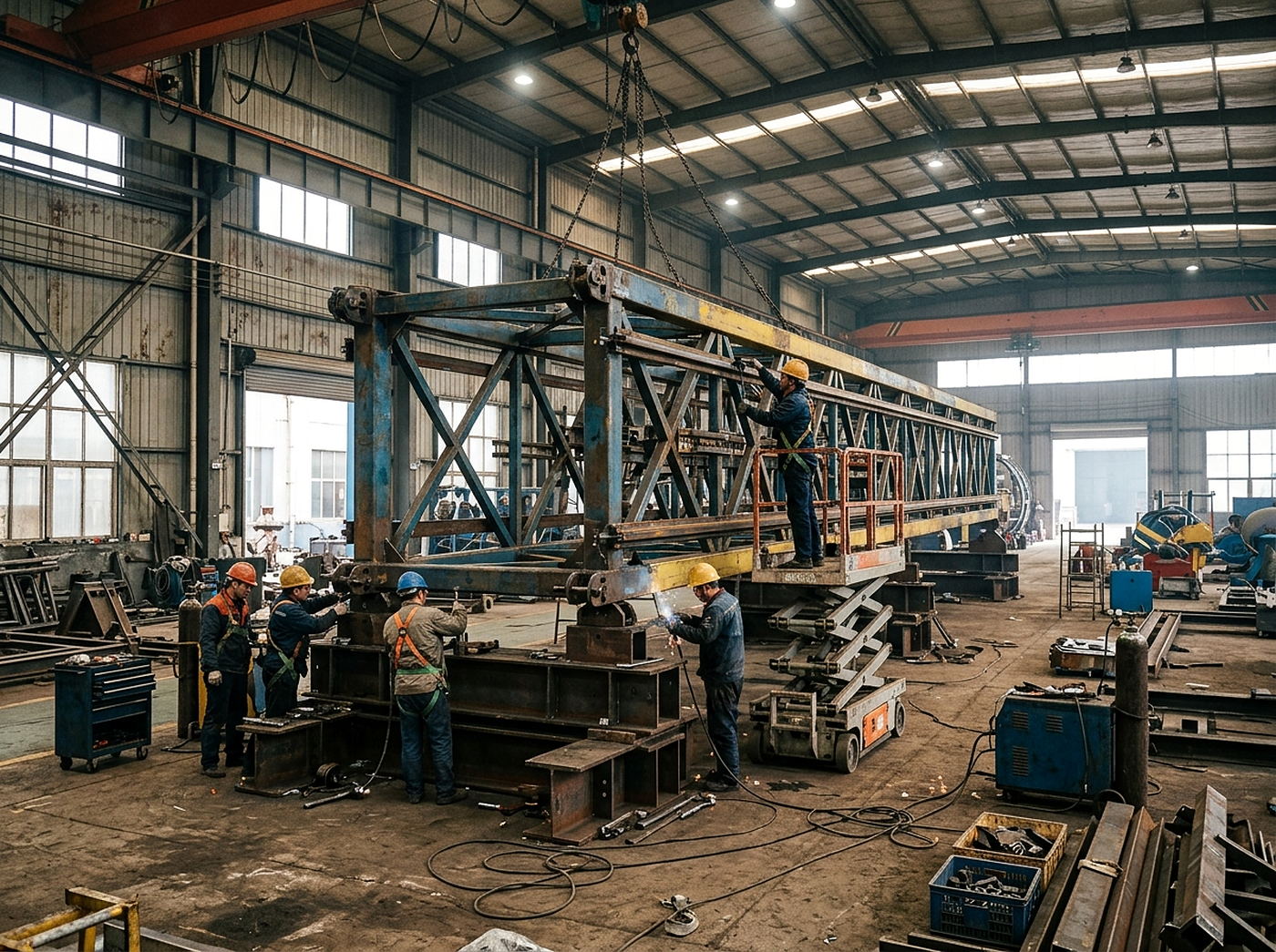
ZhipaoRides works with park developers to review cycle times and vehicle counts before delivery. The company's plant in Xingtai, Hebei, covers 120,000 m2 and produces about 54 ride models across roller coasters, Ferris wheels, drop towers, flying theatres and family rides.
FAQ
What is ride capacity per hour?
Ride capacity per hour is the number of guests a ride can dispatch in one hour. It equals guests per cycle multiplied by cycles per hour, adjusted for loading efficiency.
How do parks size a queue using capacity per hour?
Parks compare expected hourly arrivals with hourly capacity. The difference shows how fast the queue grows, and that growth rate sets the queue space and wait time.
Does adding a second train increase capacity per hour?
Yes, if the ride system allows it. A second train can reduce the interval between dispatches, which raises cycles per hour and therefore capacity.
Where can I find cycle and seat data for ZhipaoRides models?
Cycle time, seat count and vehicle data are listed on the specifications page. Use those numbers in the formula above to estimate capacity for your park.