
Used vs New Amusement Ride: A Buyer's Framework
When you are planning a new attraction or expanding an existing park, the decision between a used and a new amusement ride affects your capital budget, opening timeline, and long-term operating costs. This article sets out the practical differences so you can judge which option fits your situation. It does not recommend one path for every buyer; instead, it explains when a used ride is the rational choice and when it is not.
What "Used" Actually Means
A used ride is an existing unit that has been installed and operated, then decommissioned and offered for resale. Condition varies widely. Some used rides come from parks that closed or upgraded their lineup and are sold with maintenance records. Others have been in storage for years, may be missing components, and have little documentation. The price difference between these two categories is large, and so is the risk.
Before comparing a used ride with a new one, establish what is included: the structure, the vehicle or gondola set, the control system, spare parts, and the technical file. A low asking price often reflects missing items that you will need to source or fabricate later.
Cost Comparison: Purchase Price Is Only the Start
The purchase price is the most visible number, but it is not the total cost. For a used ride, budget for the following:
- Inspection and certification by a qualified engineer in your jurisdiction.
- Refurbishment of mechanical, electrical, and restraint systems.
- Transport and reinstallation, including foundations and site work.
- Spare parts that may no longer be in production.
- Downtime if repairs take longer than planned.
A new ride includes engineering, manufacture, documentation, and usually installation support in the contract. The upfront price is higher, but the scope is defined. When you compare offers, ask each supplier for a breakdown that covers delivery, installation, commissioning, training, and warranty so the totals are comparable.
Lead Time and Opening Dates
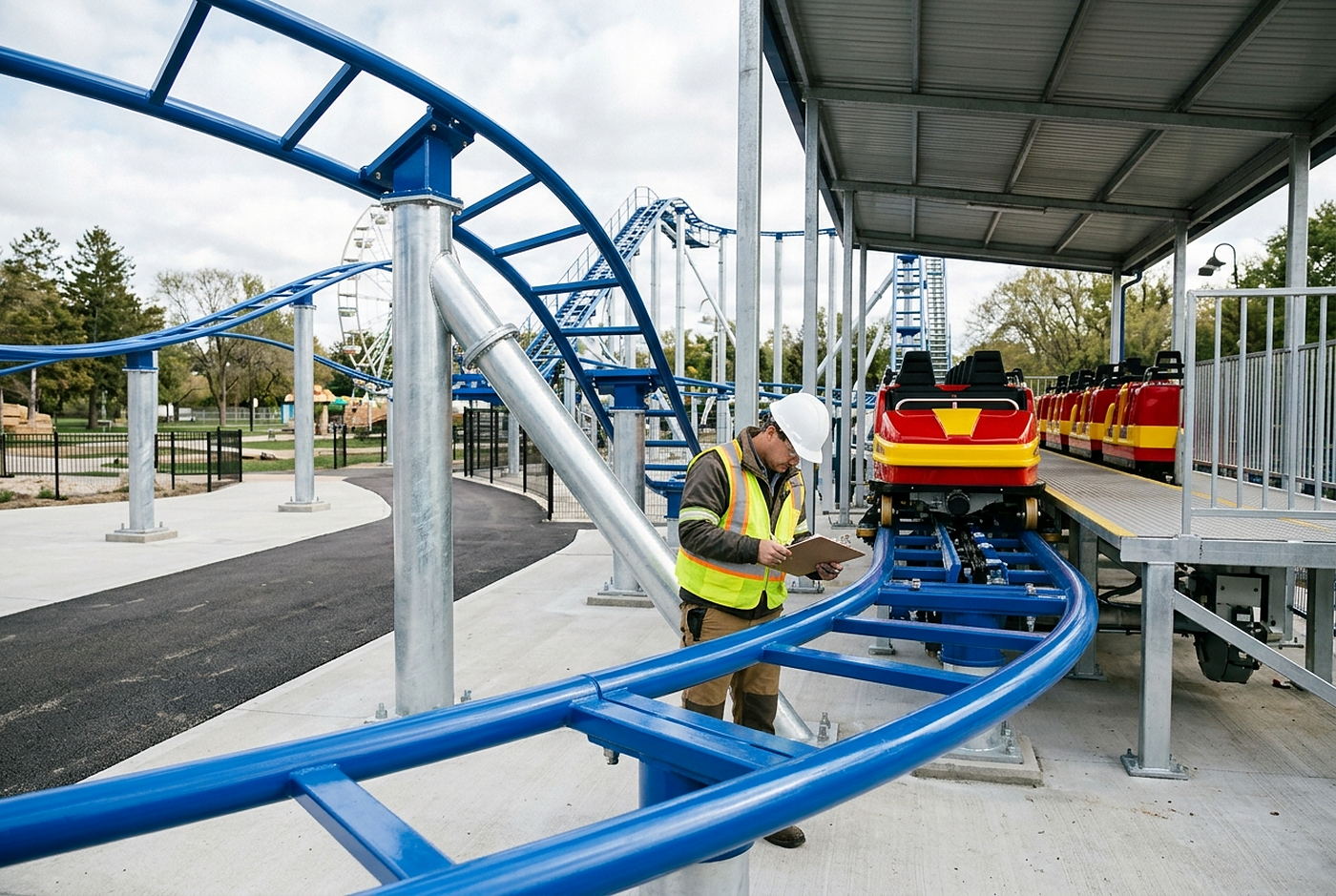
New ride manufacturing typically runs on a schedule measured in months, from design confirmation to factory acceptance testing and shipment. If you need an attraction open for a specific season, that schedule must be planned backward from the opening date. A used ride can be faster if it is already available and in good condition, but refurbishment and re-certification can erase that advantage. In some cases, a used ride that needs extensive work takes longer to open than a new ride ordered from a factory with a clear production slot.
Safety, Standards, and Documentation
Safety is the area where the gap between used and new is widest. A new ride is designed and built to a defined standard, with a technical file that includes drawings, calculations, material certificates, and operating instructions. A used ride may have been built to an older standard, modified over time, or have incomplete records. Your inspector will need to verify the structure, welds, fasteners, control logic, and restraint system. If the original manufacturer is no longer in business or does not support the model, sourcing critical parts becomes a project of its own.
In many markets, the authority having jurisdiction will require a full conformity assessment before the ride can carry passengers, regardless of whether it is new or used. Confirm the requirements with your local regulator before you commit to a purchase.
Maintenance and Parts Availability
New rides come with a known spare parts list and a manufacturer who can supply replacements. For a used ride, check whether the manufacturer still supports the model. If not, you may need to have parts machined or adapted, which adds cost and downtime. A used ride from a manufacturer with a long production history and available documentation is a lower-risk proposition than an orphaned model.
When a Used Ride Is the Rational Choice
A used ride can make sense in these situations:
- Budget is fixed and below the cost of a new unit, and you have contingency funds for refurbishment.
- The ride model is still supported by the original manufacturer or a reputable service provider.
- You have access to a qualified inspector who can assess condition before purchase.
- You need a proven attraction with a known footprint and capacity, and the site is already prepared.
- The ride is a temporary or seasonal installation where a shorter service life is acceptable.
In these cases, the lower capital outlay can free budget for theming, landscaping, or other revenue-generating additions.
When a Used Ride Is Not the Right Choice
A new ride is the better decision when:
- You need a defined warranty and manufacturer support for financing or insurance.
- The used ride lacks documentation or was built to a standard your regulator does not accept.
- Parts are obsolete and the original manufacturer no longer supports the model.
- Your opening date is fixed and refurbishment risk could delay it.
- You want specific capacity, dimensions, or theming that a used unit cannot provide.
In these situations, the apparent saving on the purchase price is likely to be consumed by engineering, parts, and downtime.
Questions to Ask Before You Decide
- What is the total installed cost, including inspection, transport, refurbishment, and commissioning?
- Who will certify the ride for operation in my jurisdiction, and what documentation is required?
- Is the original manufacturer still in business, and can they supply spare parts?
- What is the realistic timeline from purchase to opening?
- What is the expected service life, and what major maintenance is due in the next five years?
For new rides, ask for the same information plus the warranty terms and factory acceptance test procedure.
How ZhipaoRides Fits In
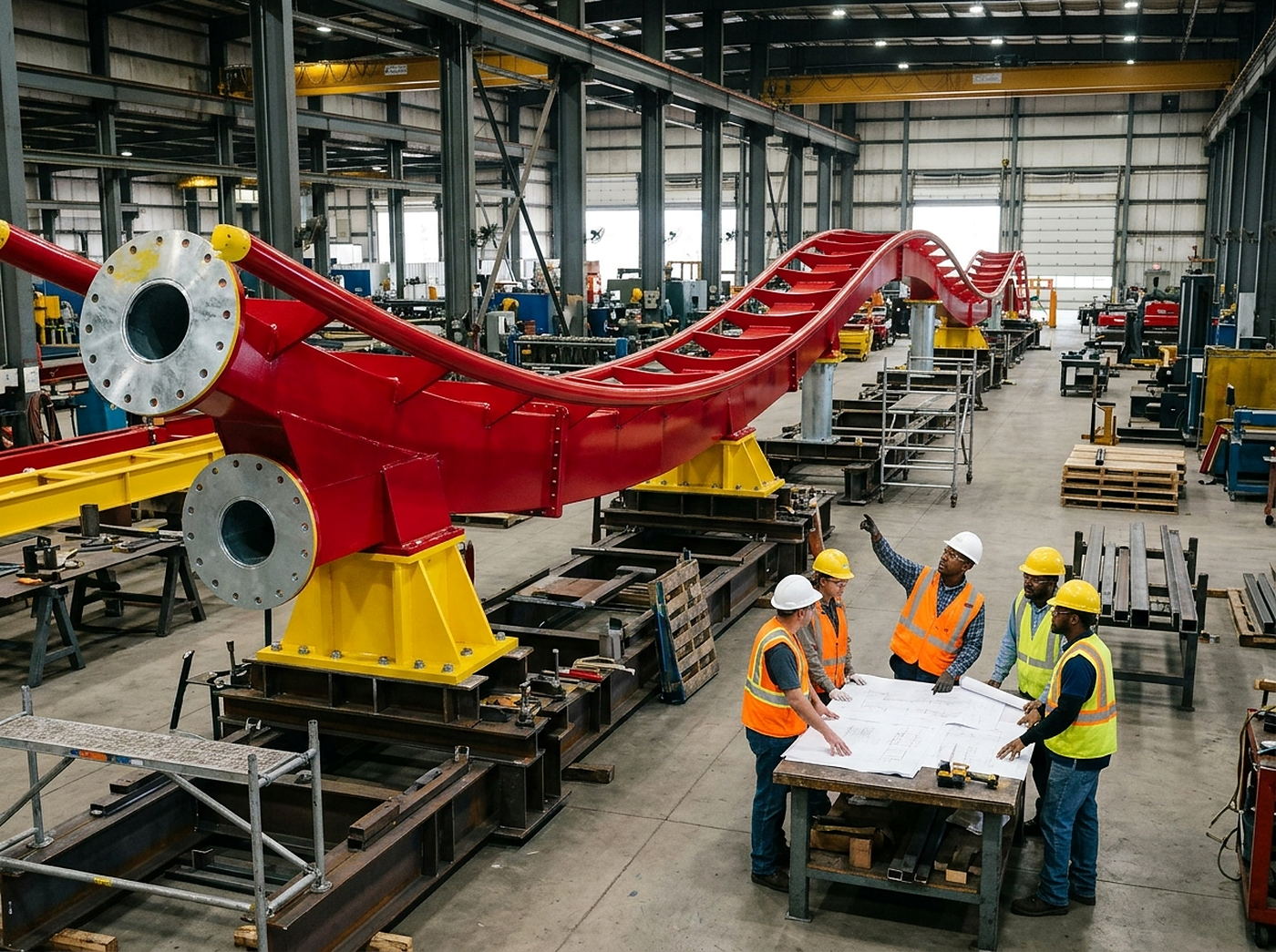
ZhipaoRides manufactures new amusement rides at its plant in Xingtai, Hebei, and supplies them to parks in Russia, Southeast Asia, the Middle East, South America, and Africa. The company produces roughly 54 ride models, including roller coasters, Ferris wheels, drop towers, flying theatres, and family rides. If you are comparing a used unit with a new one, a new ride from a manufacturer with a defined production schedule and documentation package gives you a clearer baseline for the comparison. You can review the roller coaster models available for sale as a starting point for specifications and site requirements.
Next Step: Request a Scoped Quotation
To move from general comparison to a decision, request a scoped quotation for the ride type you are considering. Include your site dimensions, expected capacity, budget range, and target opening date. A scoped quotation will list what is included, the production lead time, and the documentation provided, so you can compare it directly with any used ride you are evaluating. Contact ZhipaoRides with your requirements to begin.