
What Is an Amusement Ride Type Approval?
An amusement ride type approval is a regulatory decision that a specific ride model, as a design, meets the safety requirements of a jurisdiction before any individual unit is installed there. It is granted to the ride type rather than to a single machine, so later units of the same approved design can be placed in service with less re-review. Type approval is separate from site approval, which checks the installation, foundations, clearance envelope and operating procedures at a particular park.
For a park developer, the practical consequence is that the approval status of a ride model in the target market should be established before the purchase contract is signed, not after delivery. The same model can be approved in one country and unclassified in another, because each regulator defines ride categories and evidence requirements differently.
How Type Approval Works in Practice
Most markets follow a similar sequence, although the documents and the names of the stages differ.
- Classification. The regulator decides which category the ride falls into, for example roller coaster, observation wheel, drop tower or family ride. Classification sets the design standard, inspection interval and operator licensing requirements that apply.
- Design documentation review. The manufacturer submits drawings, structural calculations, control-system description, restraint design, evacuation plan and risk assessment. Reviewers check the design against the adopted standard, such as the applicable EN, ASTM or national code.
- Conformity assessment. Depending on the market, a notified body, an accredited inspection agency or the regulator itself performs the assessment. Some markets accept a manufacturer's declaration of conformity supported by test reports; others require an independent review.
- Certificate issue. A type approval certificate or registration number is issued for the model, usually with a validity period and conditions.
- Unit-level registration. Each delivered unit is then registered, inspected and commissioned on site, and the type approval is referenced in that process.
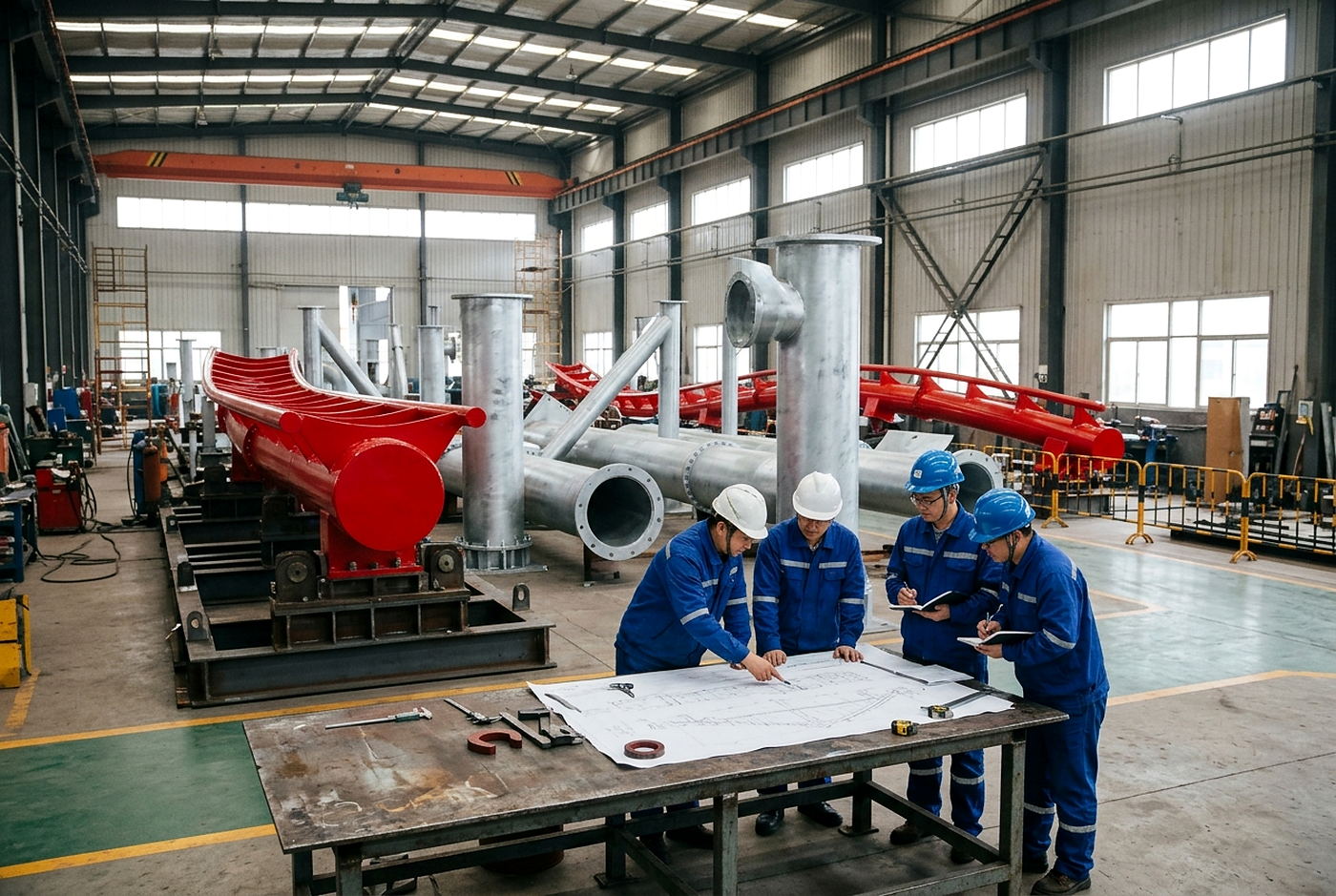
The evidence package is normally the manufacturer's responsibility. A complete submission typically includes structural and fatigue calculations, material certificates, electrical schematics, software description, restraint and locking analysis, braking and evacuation analysis, and a traceable quality record from the factory. ZhipaoRides manufactures in Xingtai, Hebei, and prepares this documentation set per model so that importers can present it to their own regulator.
How Markets Classify and Approve Ride Types
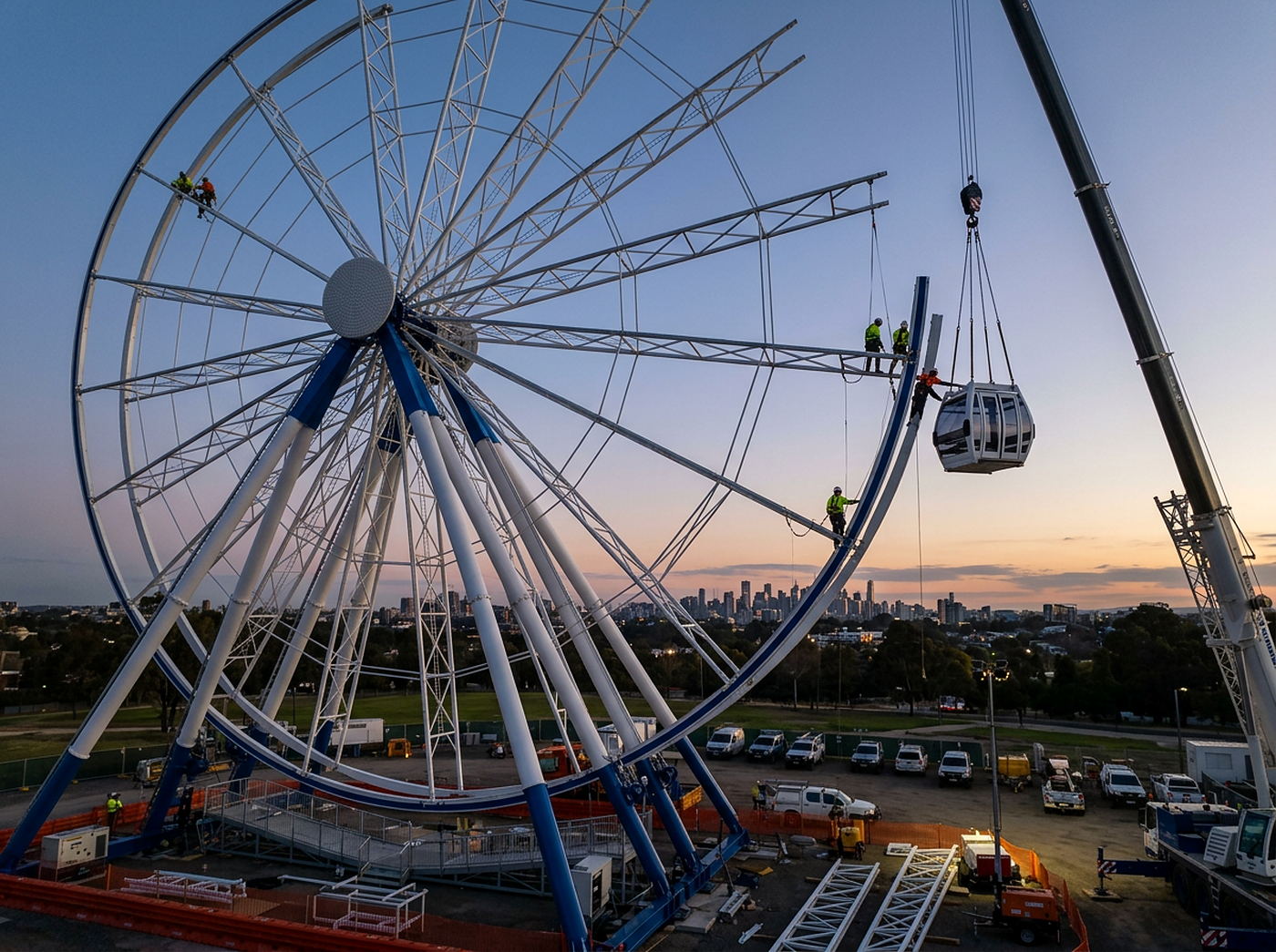
Classification is where markets diverge most. Three broad approaches are common.
- Standard-led markets. The regulator adopts a published ride safety standard and approves the design against it. The approval document usually names the standard and edition used, so a change of edition can require re-assessment.
- Registration-led markets. The authority registers the ride type and relies more heavily on inspection at installation and at fixed intervals. Design review may be lighter, but the operator carries more ongoing inspection duty.
- Project-led markets. Approval is tied to a specific installation and a specific operating site. There may be no standalone type certificate, and each new park repeats much of the design review.
Because of these differences, a manufacturer selling across several regions keeps a core technical file that can be assembled into different submission formats. The markets we serve page lists the regions where ZhipaoRides rides are exported, including Russia, Southeast Asia, the Middle East, South America and Africa, and the documentation route differs in each.
Specification Table: Typical Type Approval Inputs
The table below shows the information a regulator usually asks for, and where it comes from. It is a general checklist, not a statement of any single country's legal requirements.
| Item | What the regulator reviews | Typical source |
|---|---|---|
| Ride classification | Category, passenger capacity, motion type, height and speed envelope | Design specification |
| Structural design | Load cases, factors of safety, fatigue life, foundation loads | Structural calculation report |
| Restraint system | Restraint type, locking, redundancy, rider size range | Restraint design file and test report |
| Control system | Safety functions, fault response, software description, manual override | Electrical and software documentation |
| Evacuation | Procedures at height, at power loss, at blocked position | Evacuation plan and drill record |
| Manufacturing quality | Welding, materials traceability, factory test records | Quality record and inspection reports |
| Operating limits | Wind, temperature, rider height, daily inspection schedule | Operations manual |
Detailed model data, including dimensions and capacity ranges, sits alongside this documentation; see the ride specifications for the format used in submissions.
Where Type Approval Fits, and Where It Does Not
Type approval fits best when a park buys a proven model and wants a predictable path to opening. It reduces the risk of a design being rejected after shipment, and it gives the park a reference document for later units of the same model. It also helps when a park group standardises on one ride type across several sites, because the design review is done once and the site work repeats.
Type approval does not replace site approval. Foundations, soil conditions, surrounding structures, queue layout, emergency access and local wind exposure are project-specific and are assessed at the installation. It also does not cover operation. Training, daily checks, maintenance intervals and record keeping remain the operator's responsibility, and regulators inspect these separately.
There are cases where type approval is not the right frame at all. A heavily customised ride, a new prototype, or a ride substantially modified for one site may be treated as a one-off project with a full design review each time. In those cases the manufacturer and the park should agree early on which review route applies, because the evidence package and the timeline differ.
FAQ
Is type approval the same as a safety certificate?
No. Type approval assesses the design of a ride model. A safety certificate or permit to operate is usually issued for a specific unit at a specific site after installation and inspection.
Who prepares the type approval file?
The manufacturer normally prepares the technical file, and the importer or park submits it to the local regulator. Some markets require an independent assessment body to review the file before the regulator decides.
Does an approval in one country carry over to another?
Usually not automatically. A foreign approval can support a submission as evidence, but the receiving regulator applies its own classification and standard, and may ask for additional calculations or tests.
When should a park start the approval process?
Before signing the purchase contract. Classification and documentation requirements should be confirmed with the local authority first, so that any design changes can be made at the factory rather than on site.