Overview
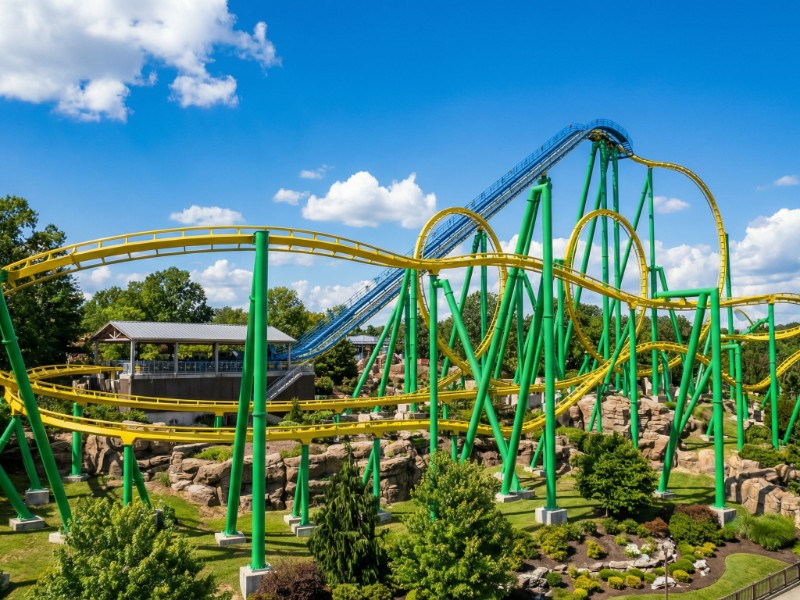
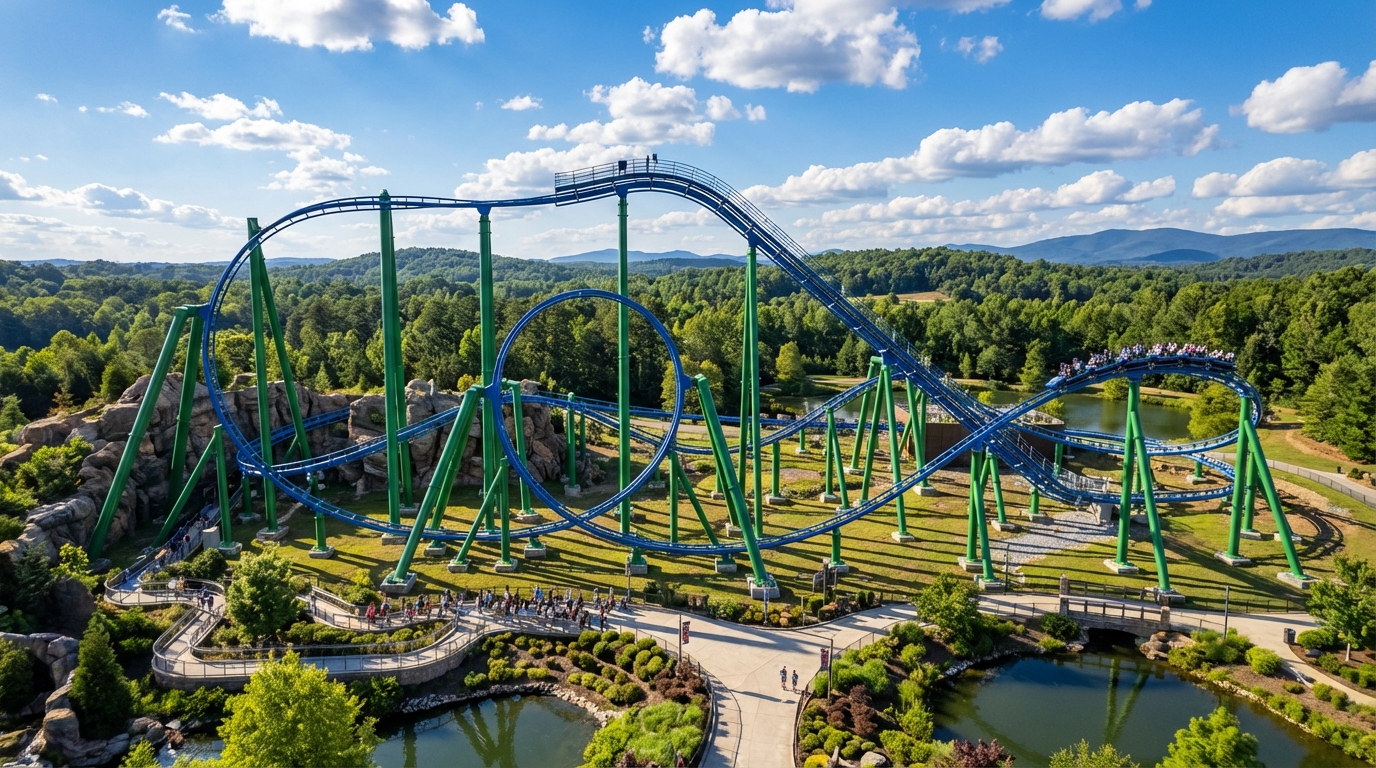
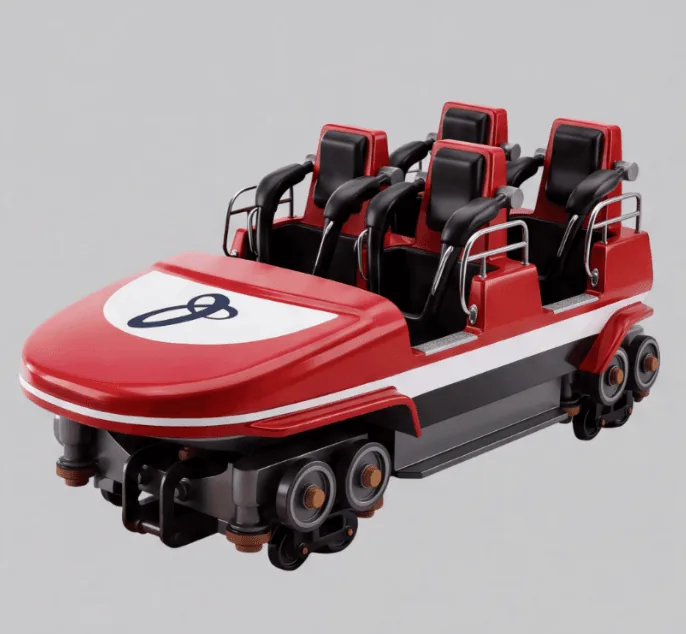
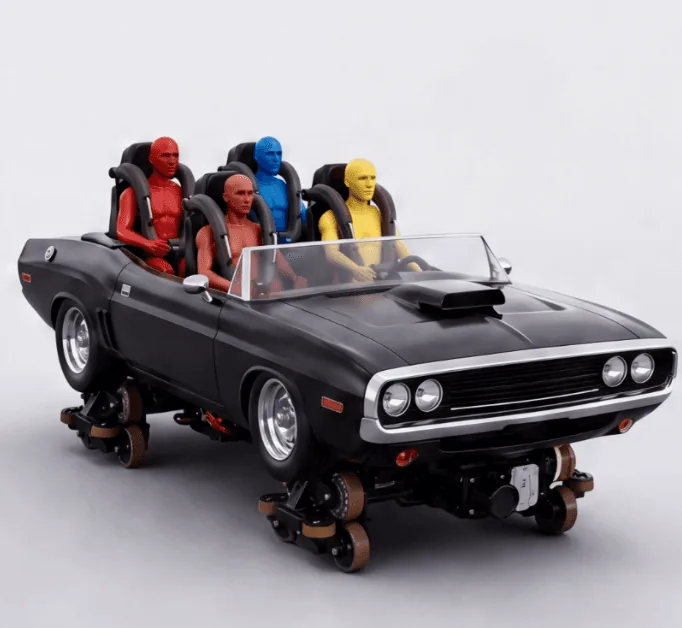
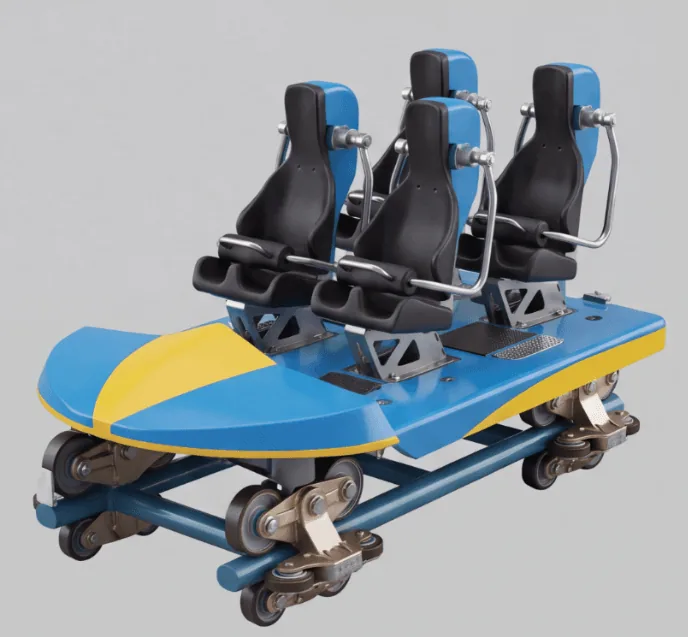
The Seven Loops Roller Coaster is a single-train coaster with seven cars. It carries 28 riders per cycle: four per car, adults and children at least 1.4m tall. The train leaves the station, is lifted to the track's highest point, then runs freely through multiple inversions and turns before braking to a stop. A complete cycle takes about 140 seconds.
This ride suits park developers and investors who need a high-capacity attraction with a compact footprint. The layout fits a 140×50m site.
Design and build
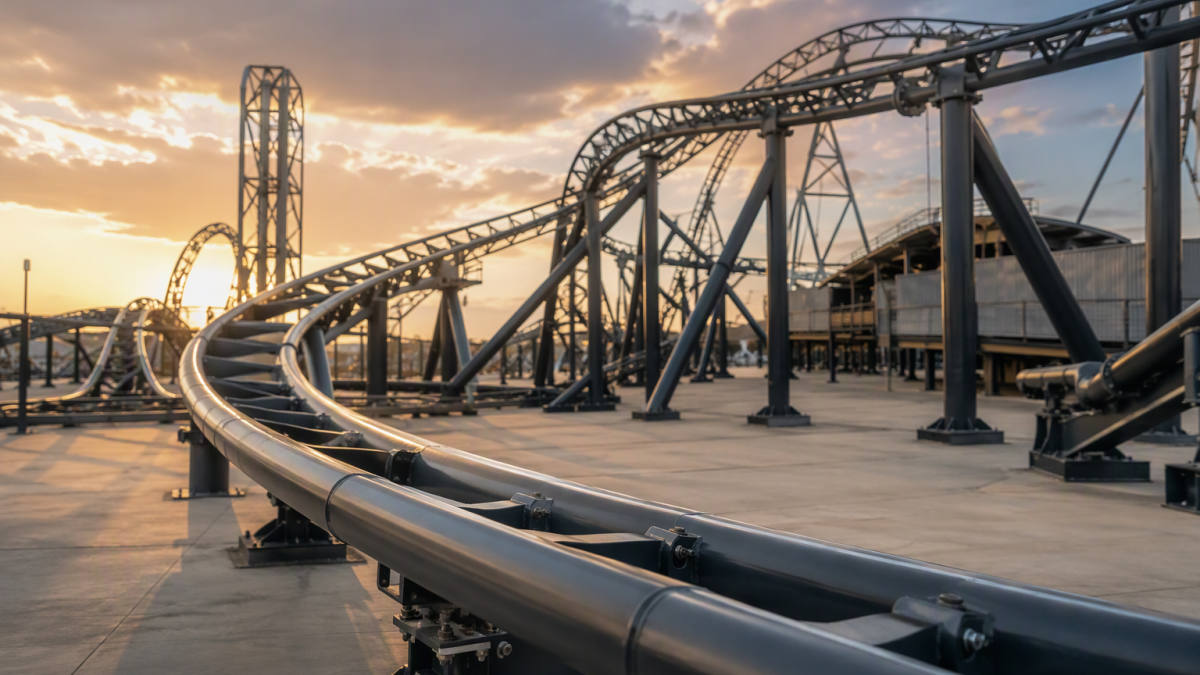
The track is 720m long and reaches 35.5m at its highest point. The train's top speed is 23.6m/s (85km/h). The lift runs at 1.4m/s. Installed power is 225kVA. The ride is designed for a 20-year service life; the cars for 10 years.
Key engineering points:
- Permanent magnet braking provides non-contact deceleration. It does not rely on friction pads or an air supply, so braking force stays stable during frequent stops and long operating days.
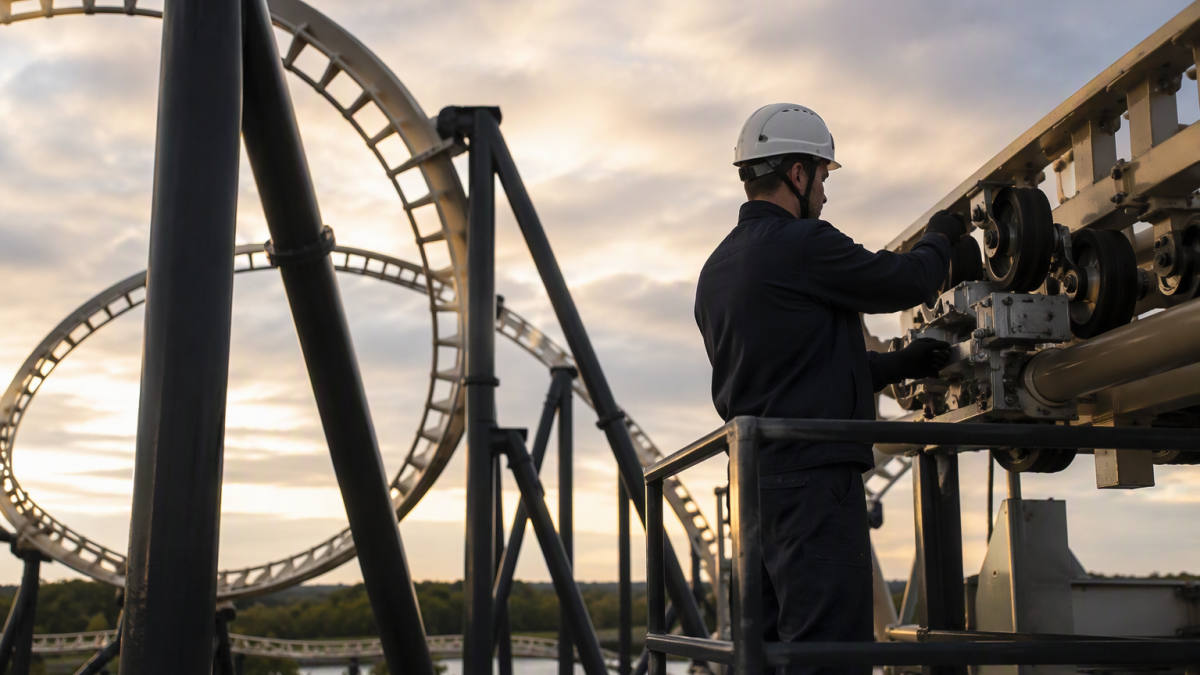
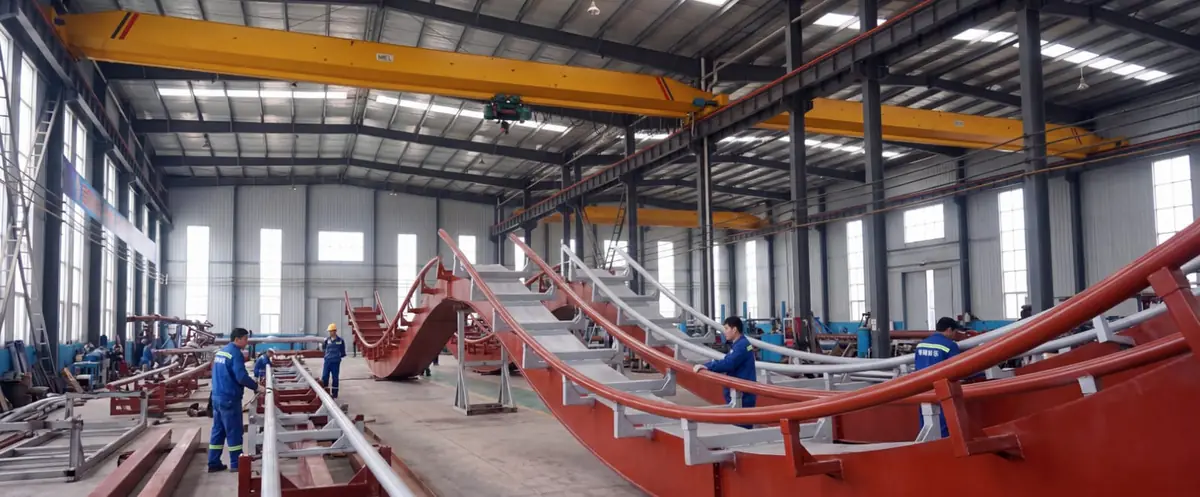
- The wheel frame is machined as one piece rather than welded. This gives more consistent strength and better dynamic balance, and removes weld-related fatigue points.
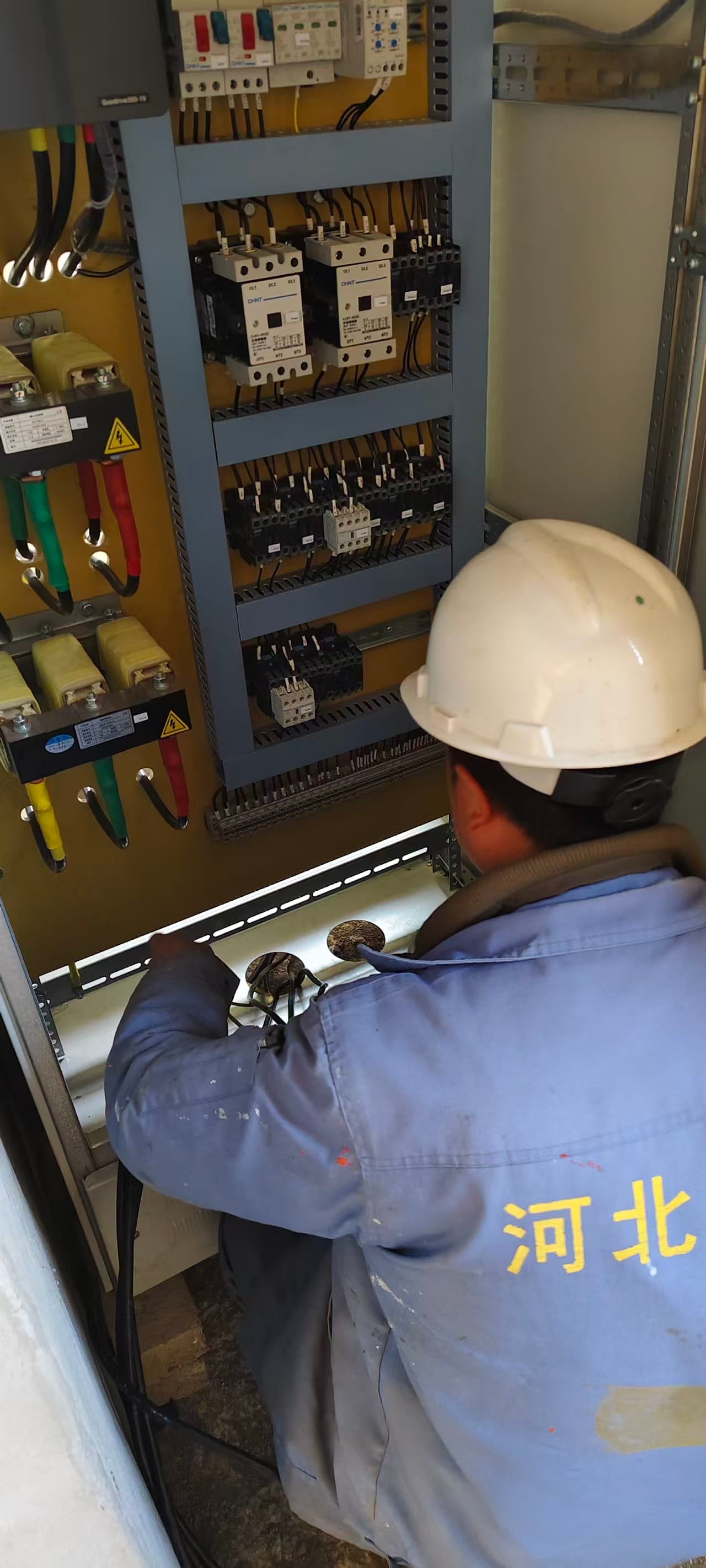
- Seven interlock checks must be satisfied before the train can start: restraint closed, restraint locked, air pressure, safety confirmation, car at station, chain tension, and brake raised.
Site and installation
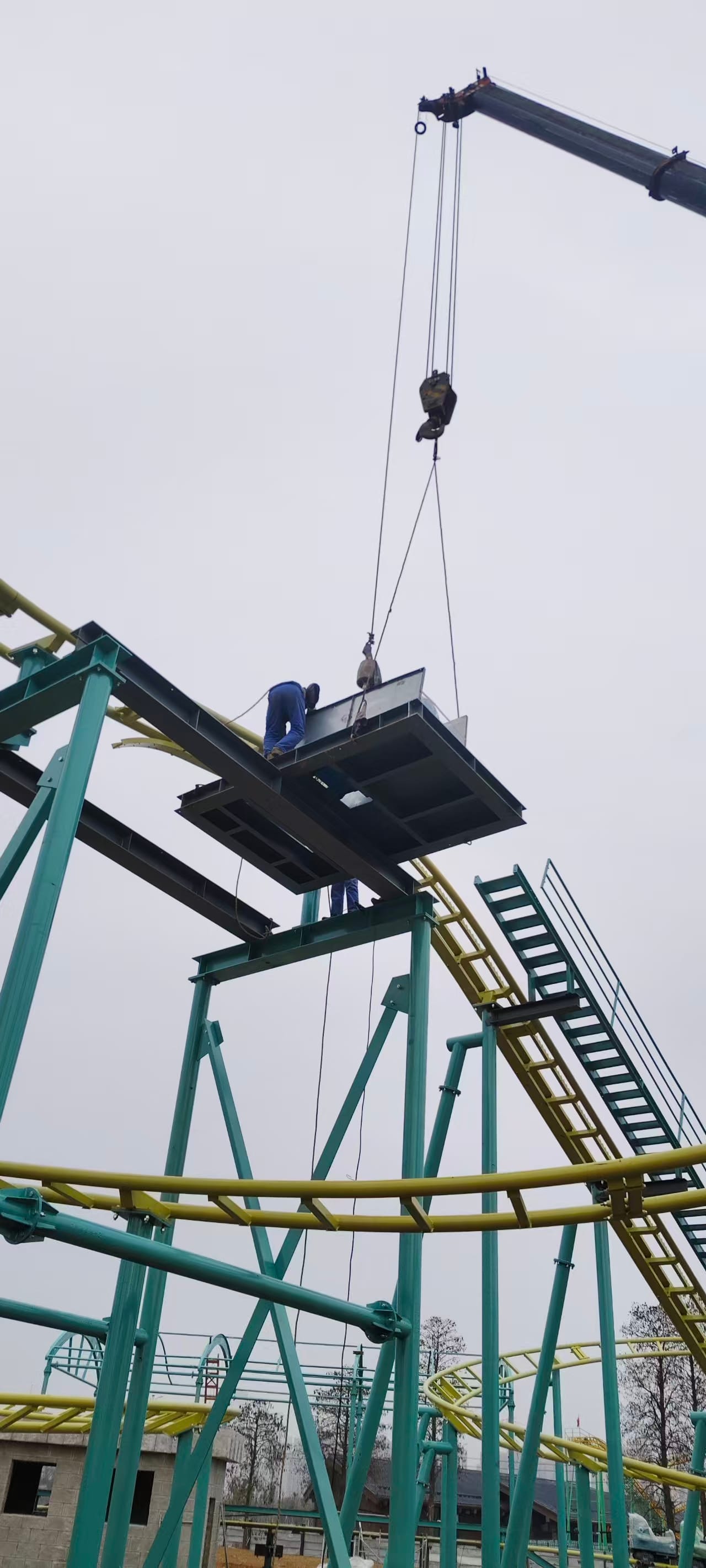
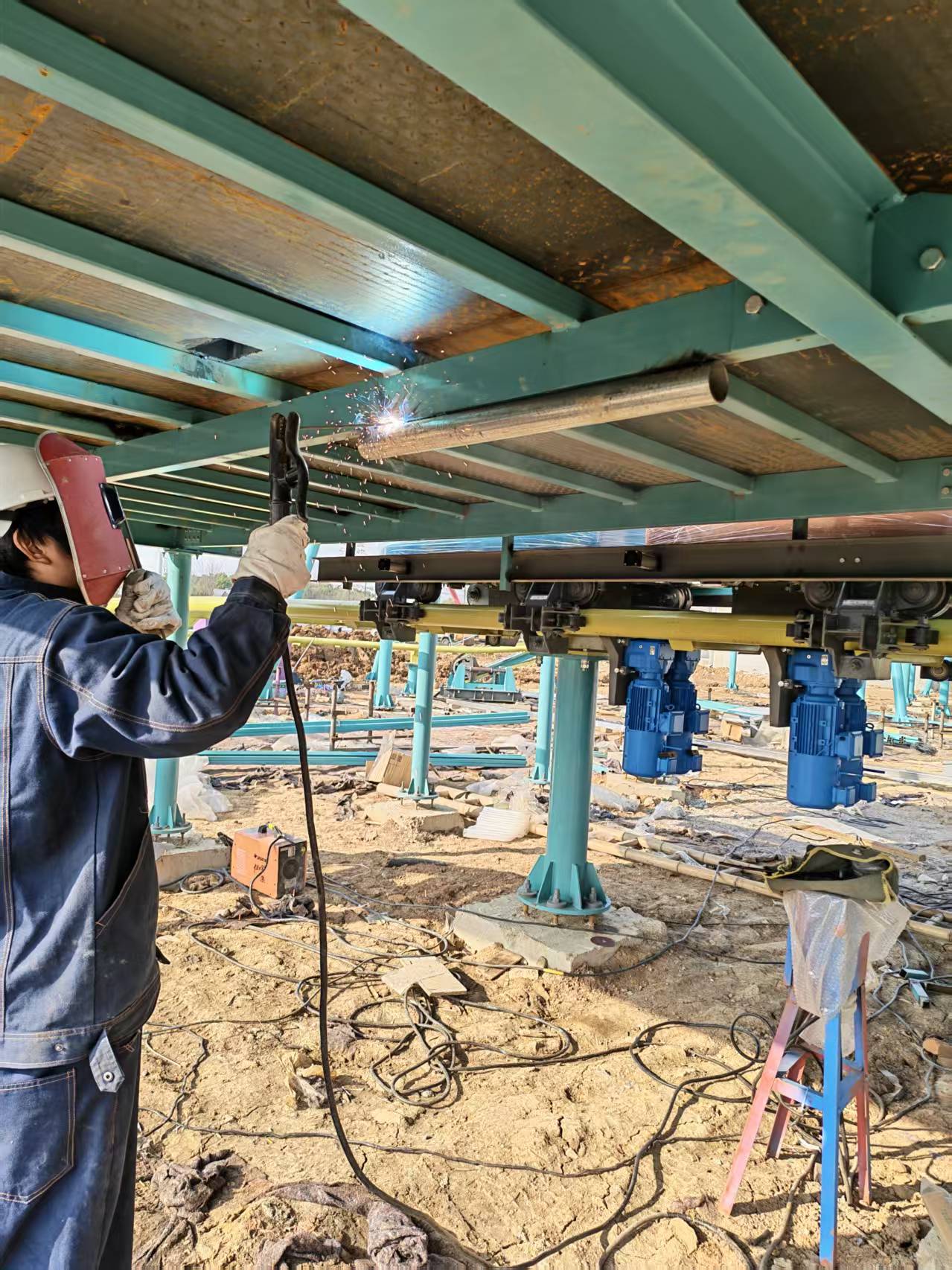
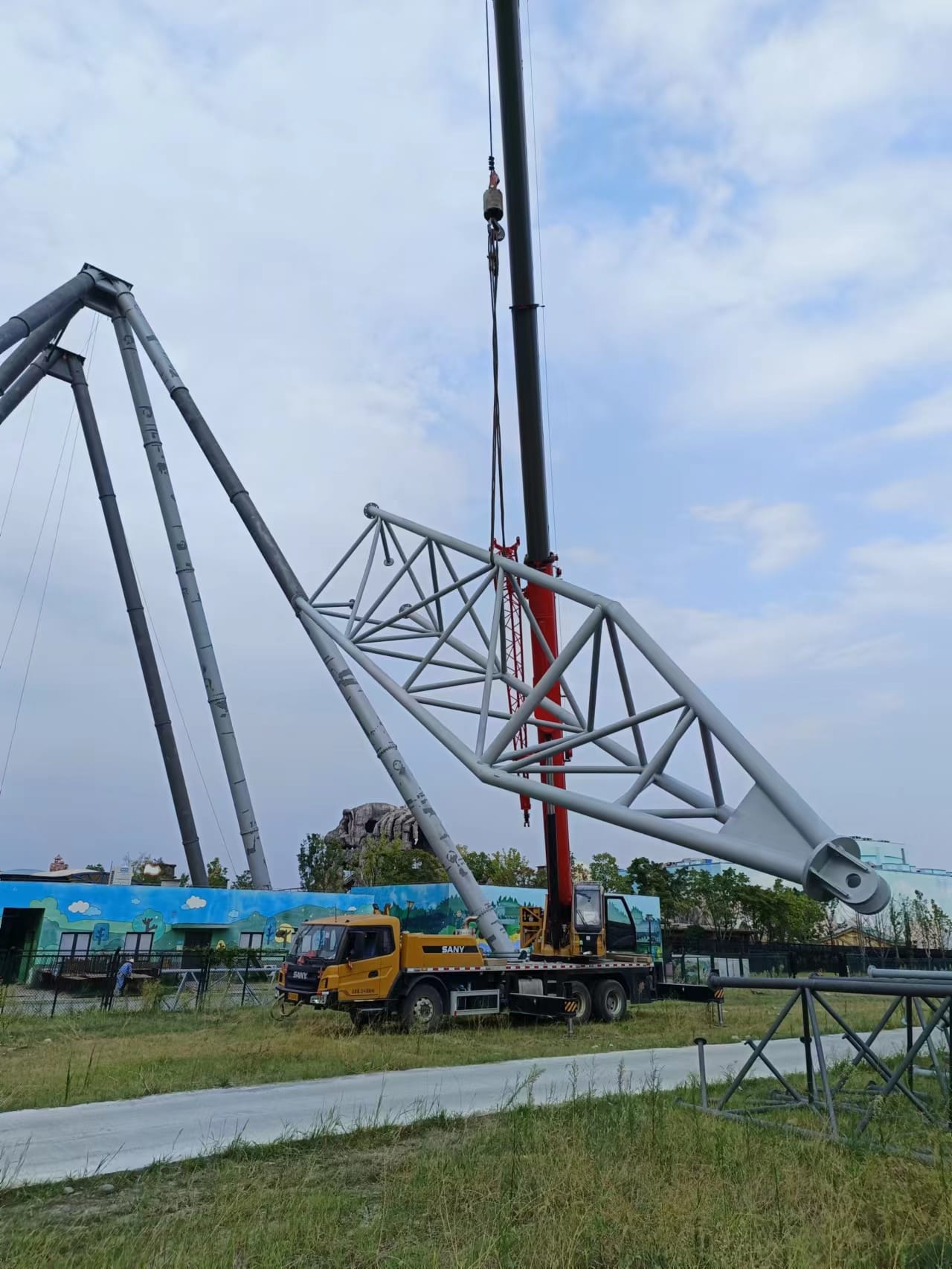
Plan for a footprint of 140×50m. The ride needs a station, a lift section, and a brake run. Permanent magnet braking removes the need for a compressed-air system, which simplifies the equipment room and reduces installation work. Foundation design and load data are confirmed per project. The ride is designed to the standards required by your market, confirmed per project.
Operating notes
Operation follows a fixed cycle: load, restraint check, dispatch, lift, free run, brake, return to station, unload. Staff control dispatch from the operator panel. The interlock system prevents departure if any safety condition is not met.
For evacuation, staff can release restraints manually. Each car has an emergency power socket for restraint release. If that fails, a wrench can open the restraint at the seat. Trained staff should follow the site's emergency plan and call medical help if a passenger feels unwell after evacuation.