
Roller Coasters
Explore Zhipao's roller coaster category: steel coasters with inversions, launch and family layouts. Compare models and plan your procurement.
 Featured Roller Coasters
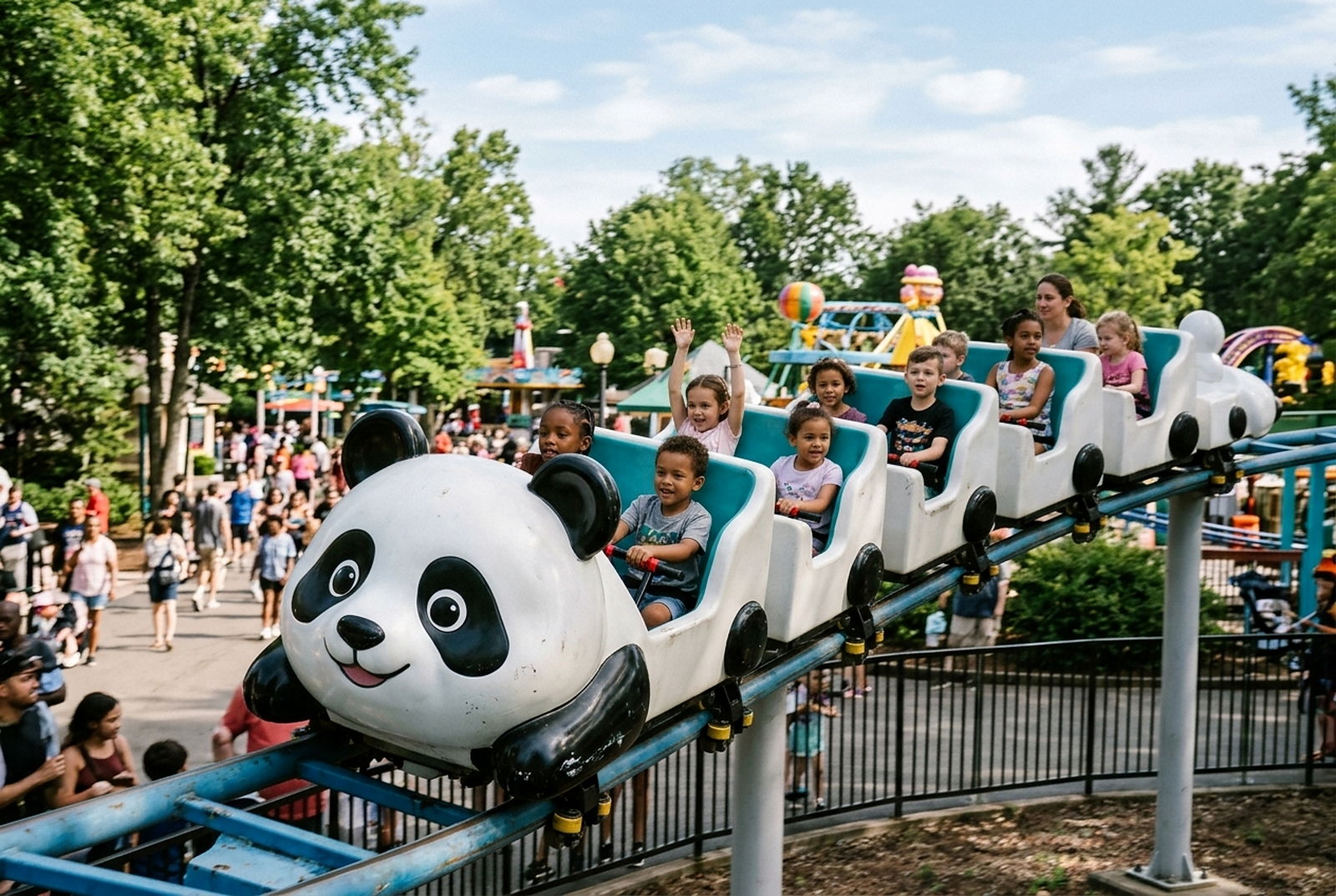
Themed Family Coaster
 Roller Coasters
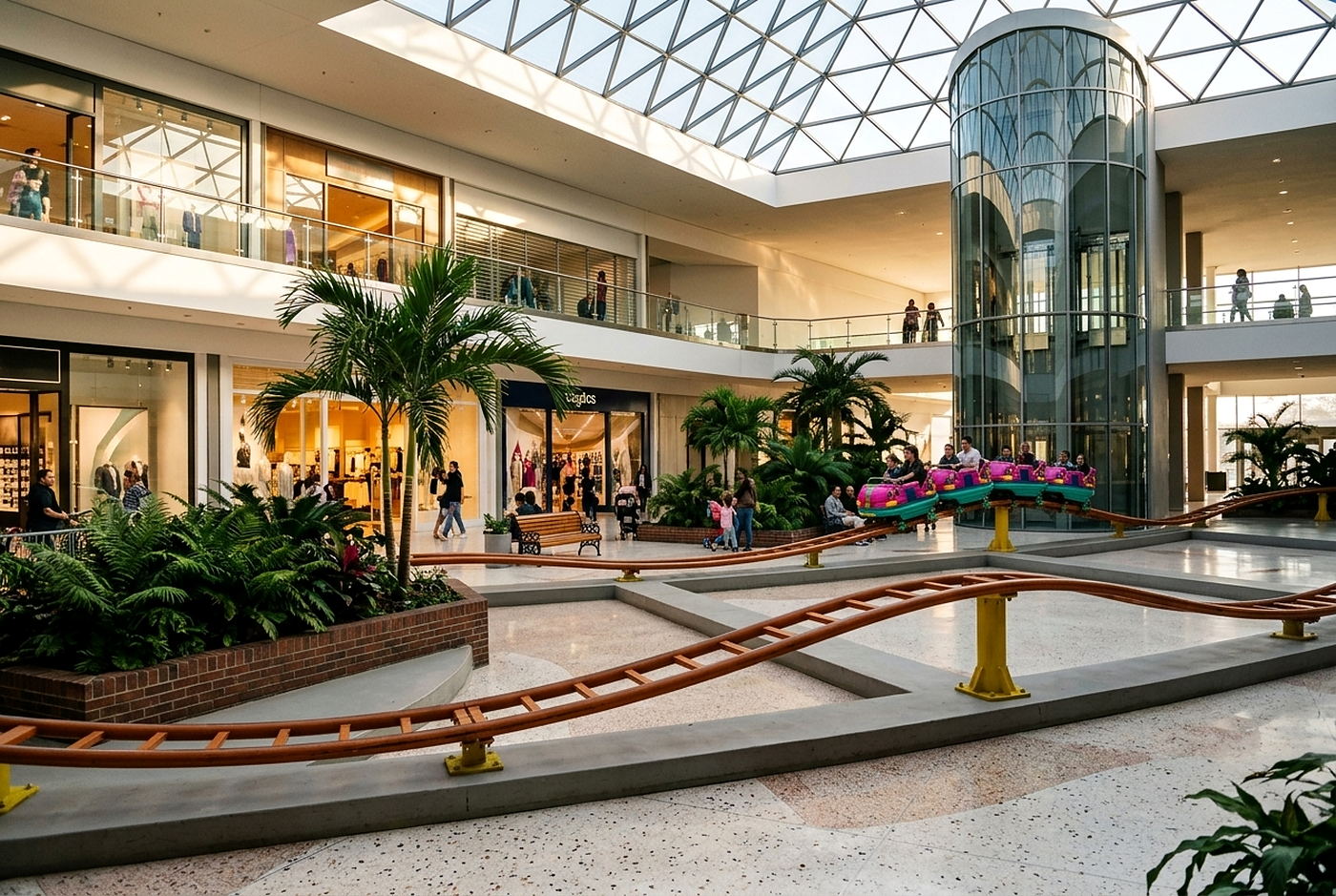
Indoor Roller Coaster
 Roller Coasters
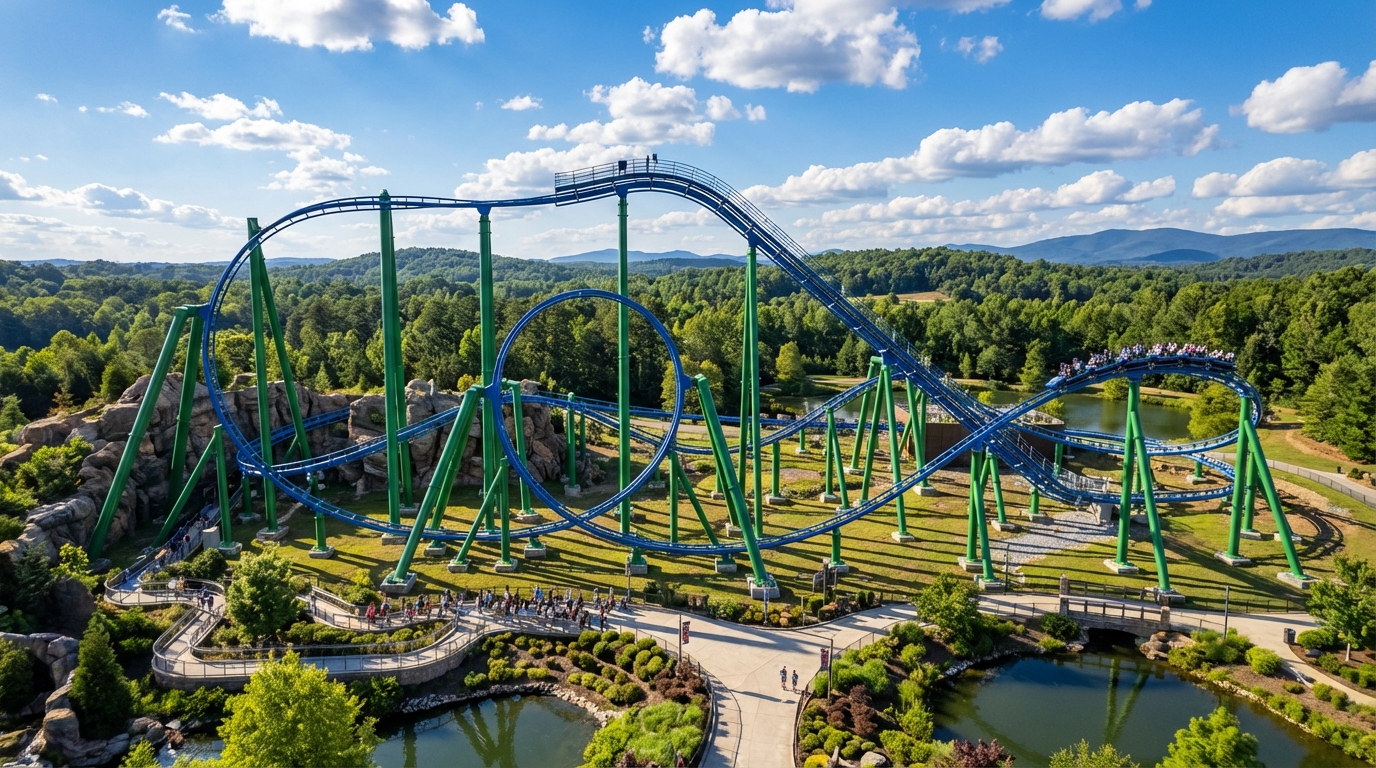
4‑Loop Plus Roller Coaster
 Roller Coasters
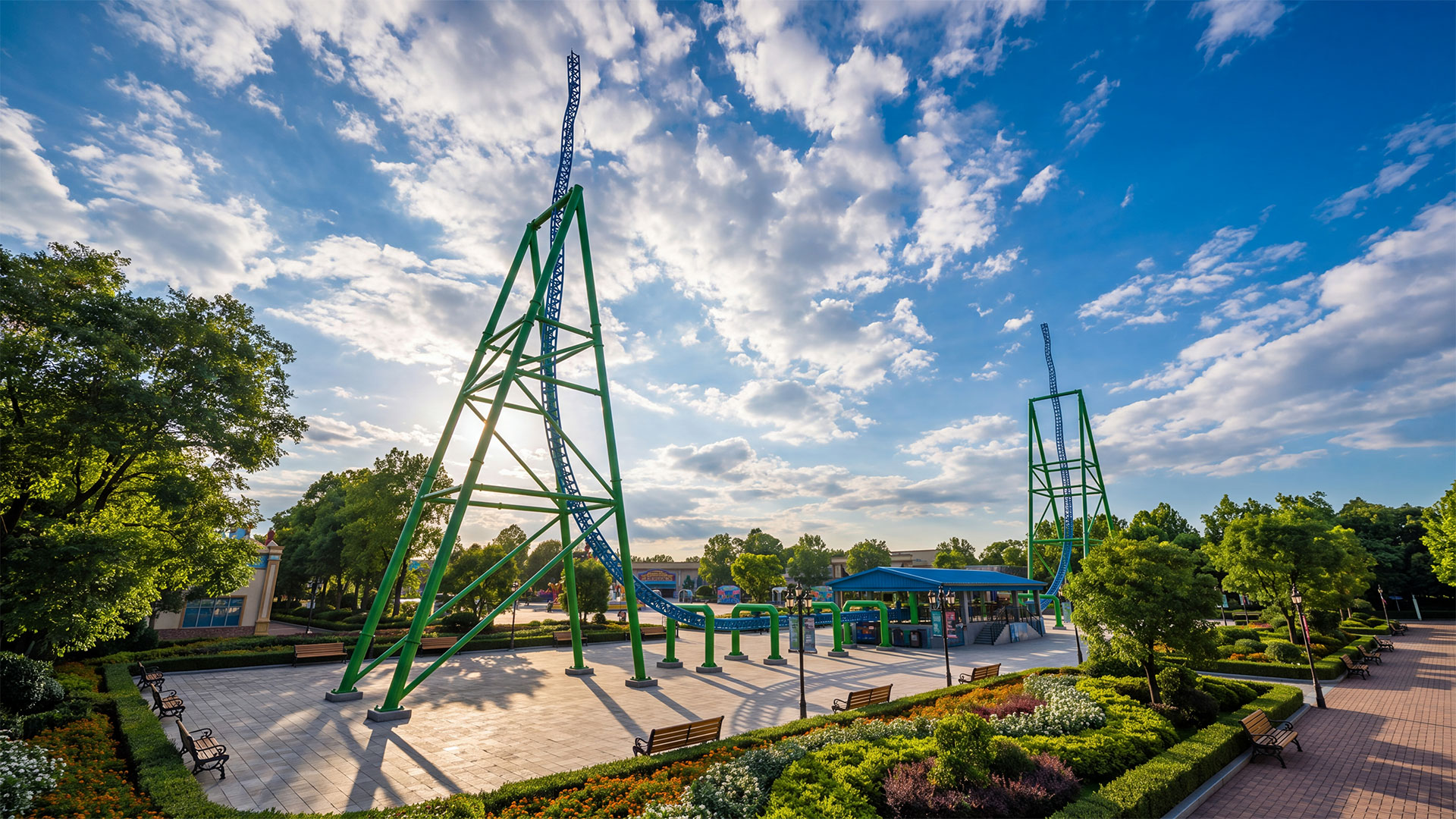
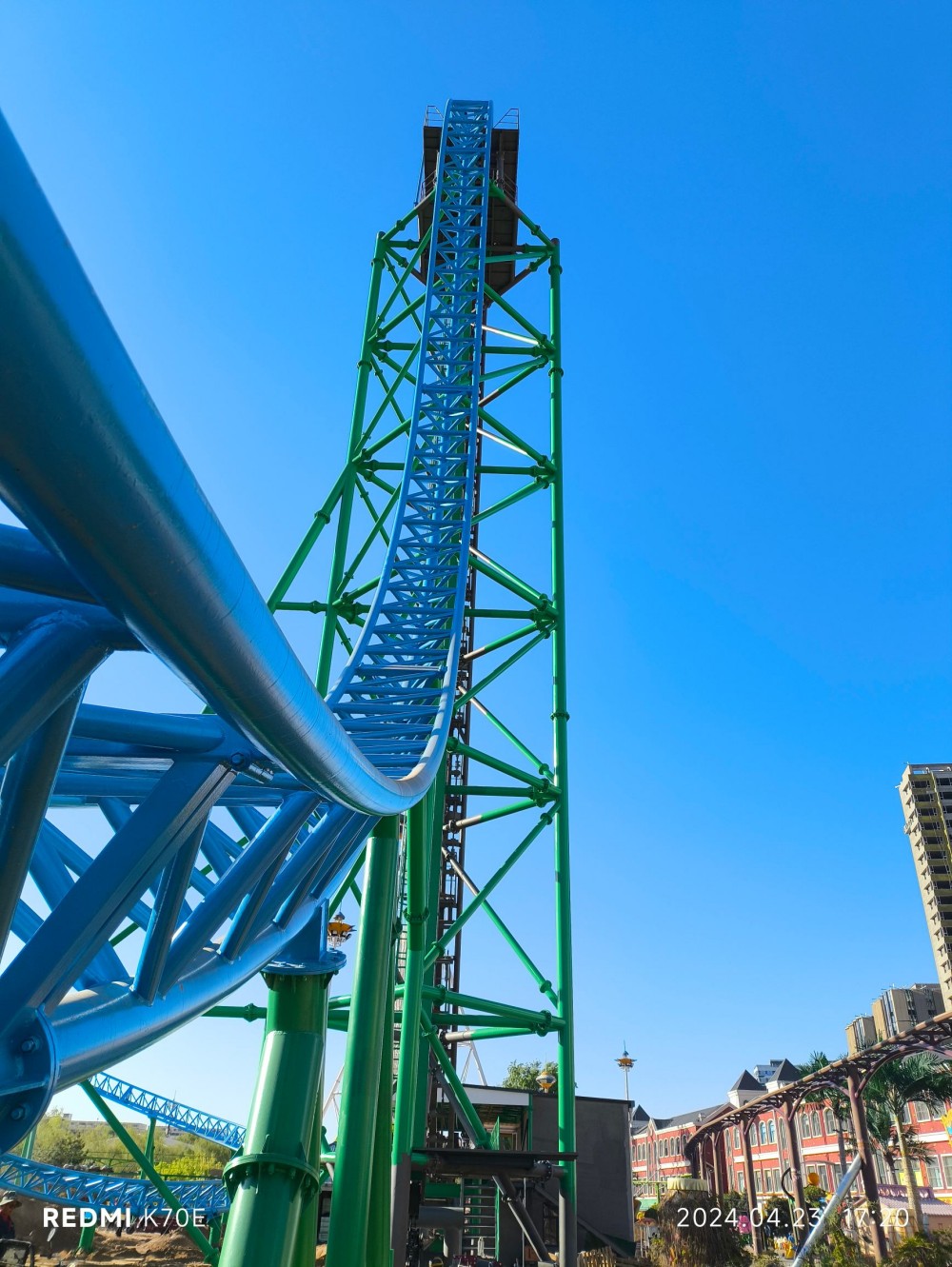
Vertical Roller Coaster
 Roller Coasters
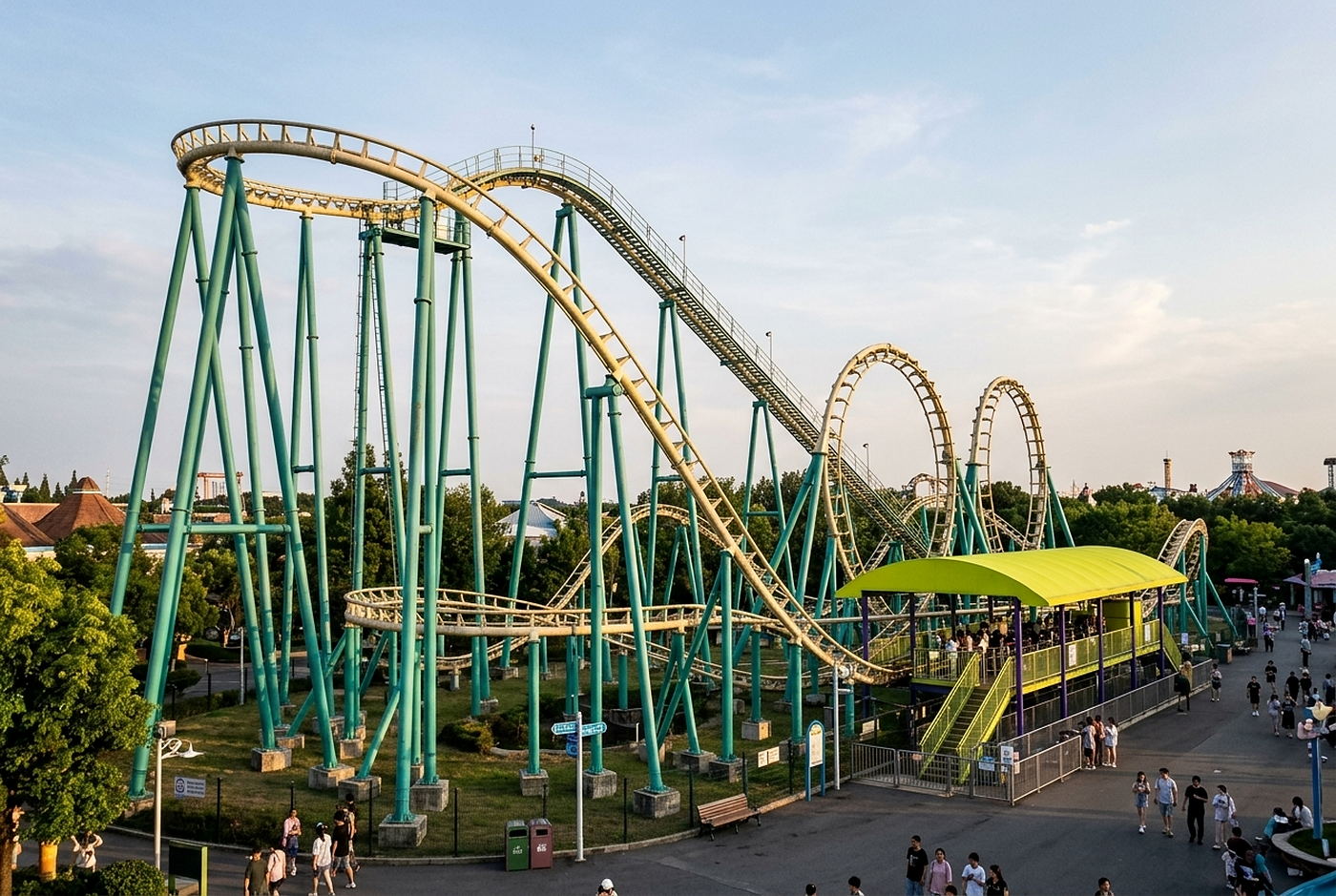
New 4‑Loop Roller Coaster
 Roller Coasters
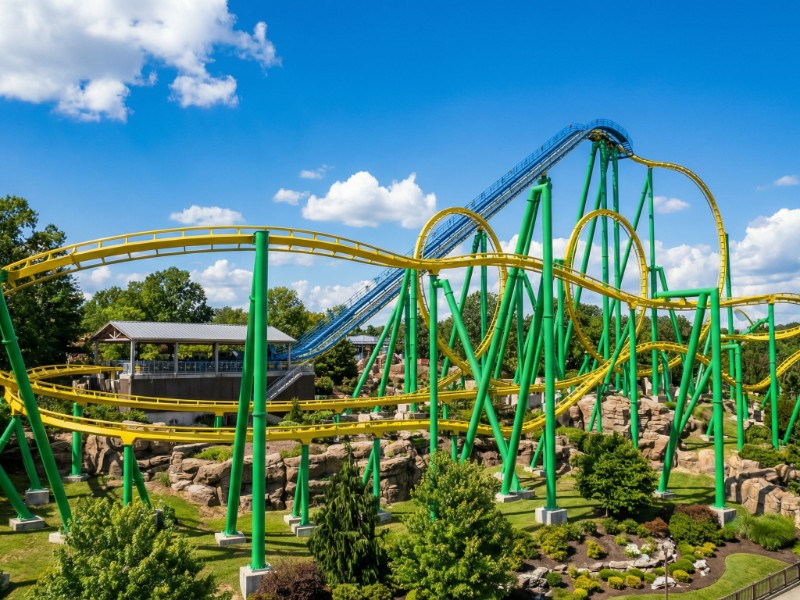
Seven Loops Roller Coaster
 Roller Coasters
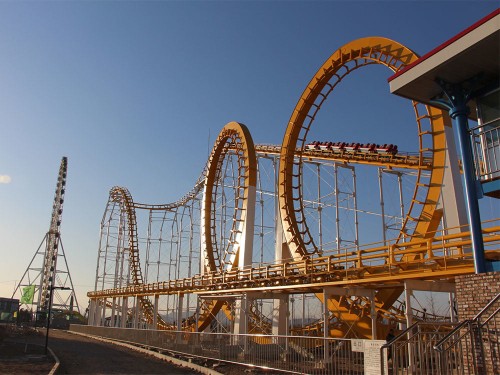
SIX Loops Roller coaster
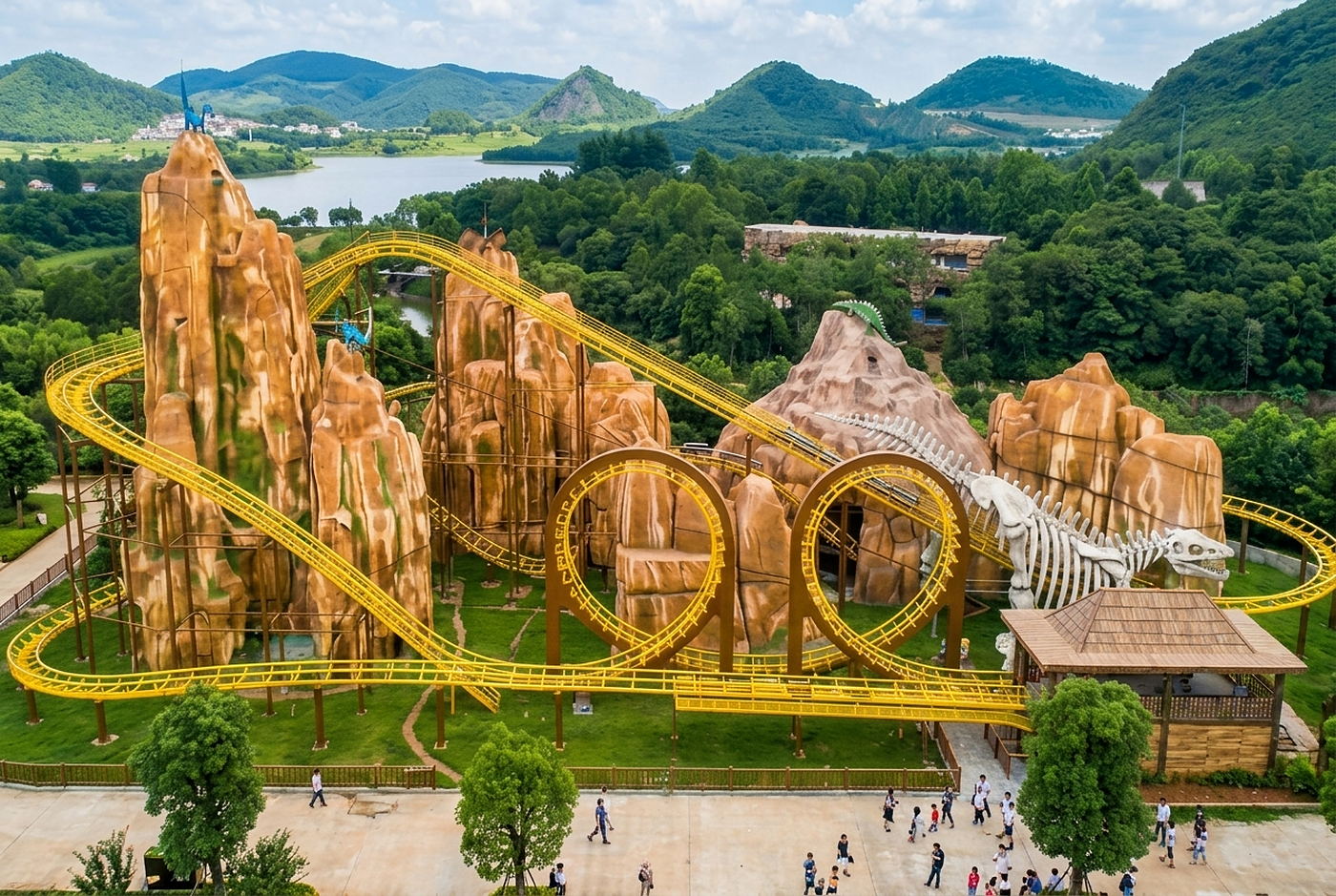 Roller Coasters
Four‑Loop Roller Coaster
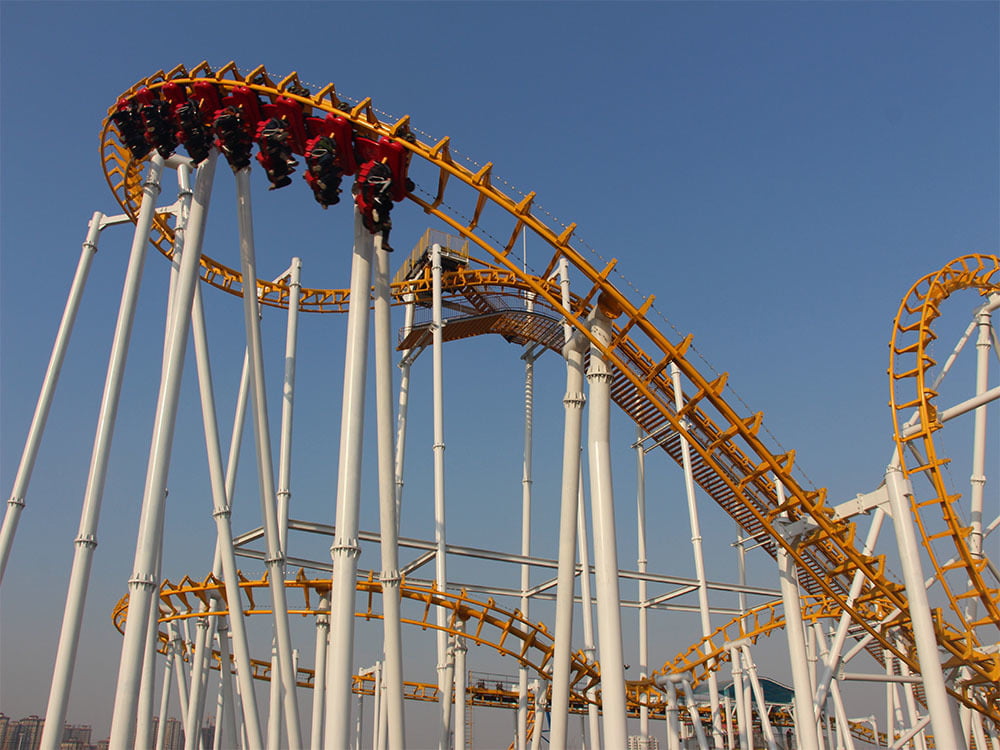 Roller Coasters
Suspended Roller Coaster
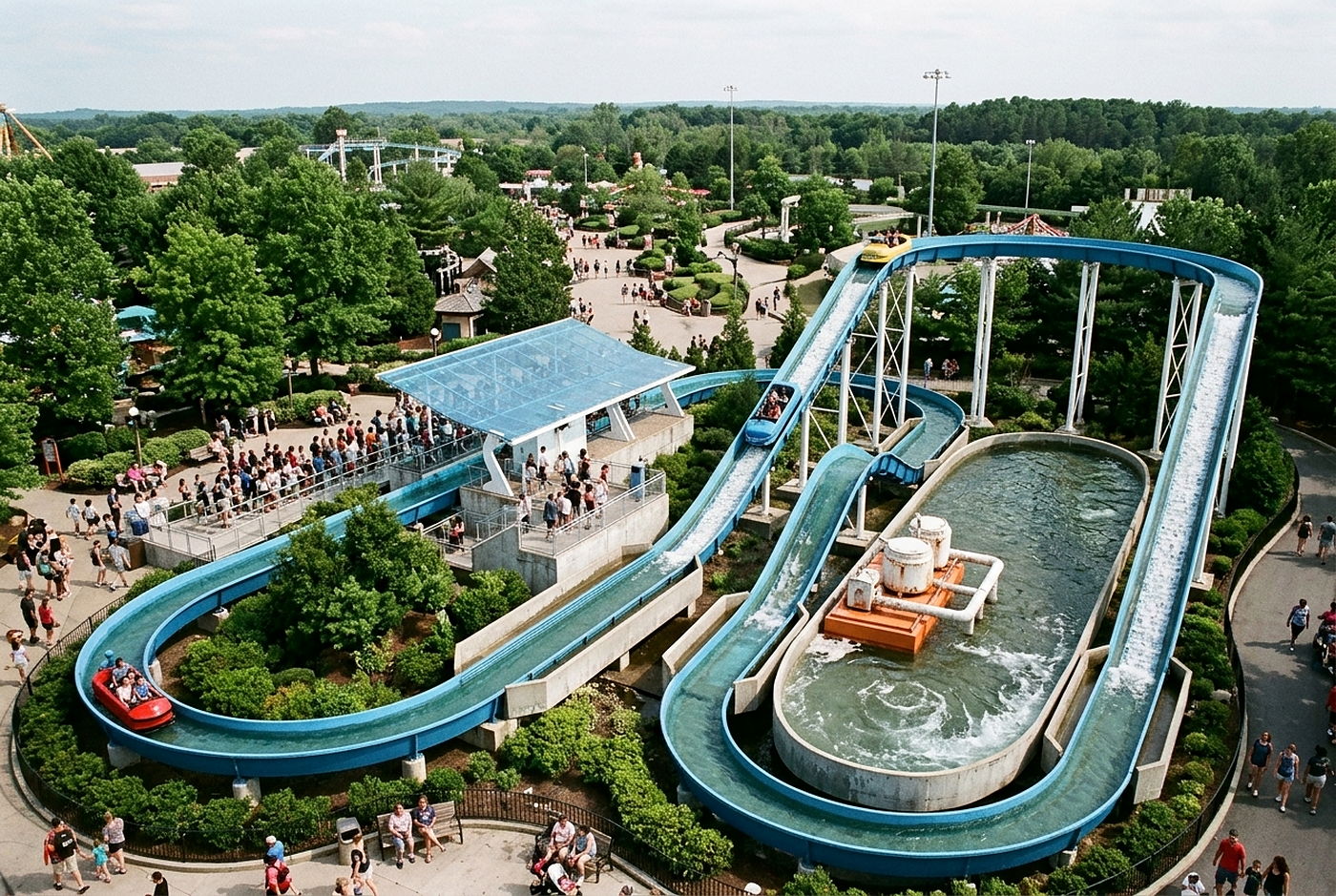 Roller Coasters
Double Peak Flume Ride
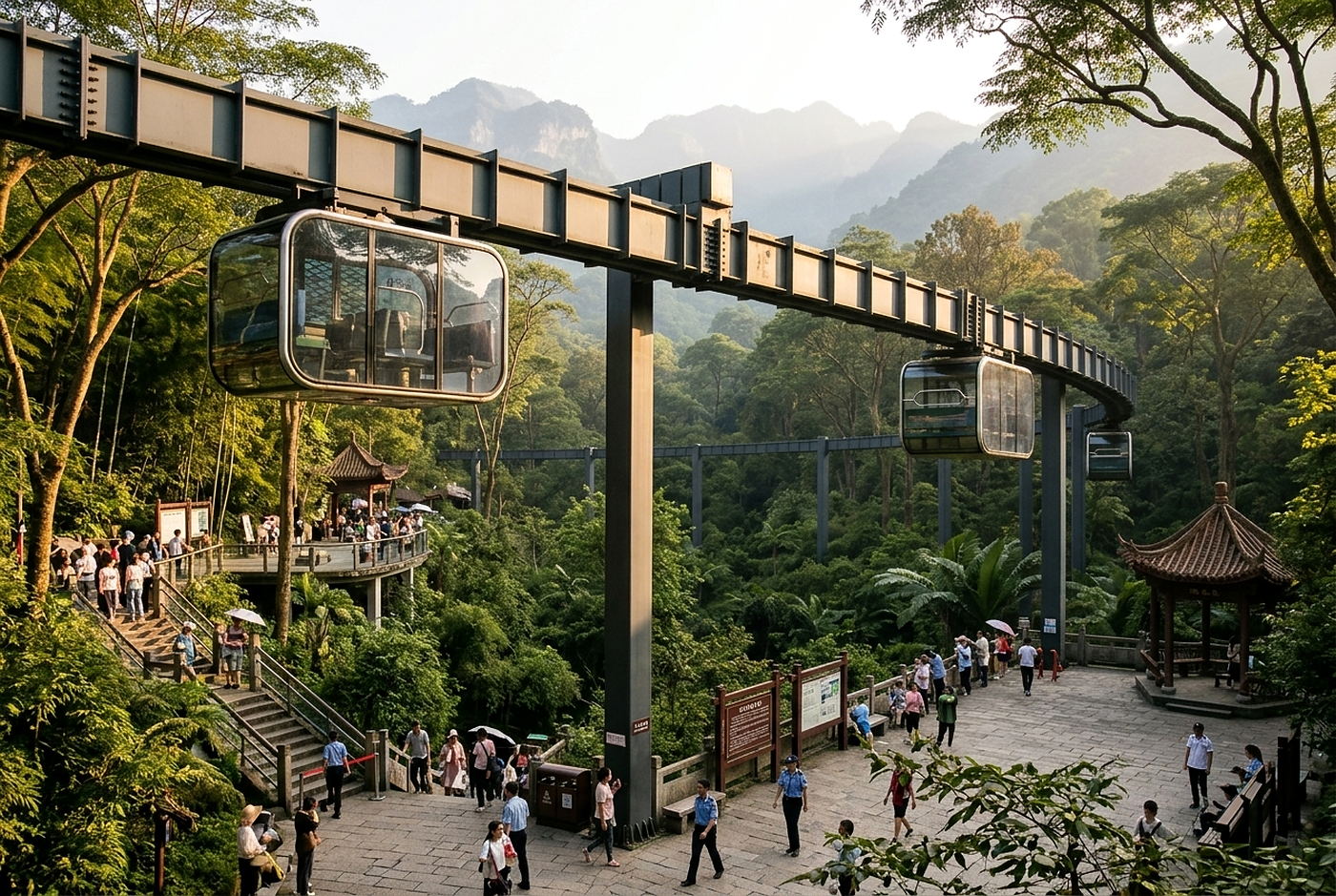 Roller Coasters
Space Cruise
 Roller Coasters
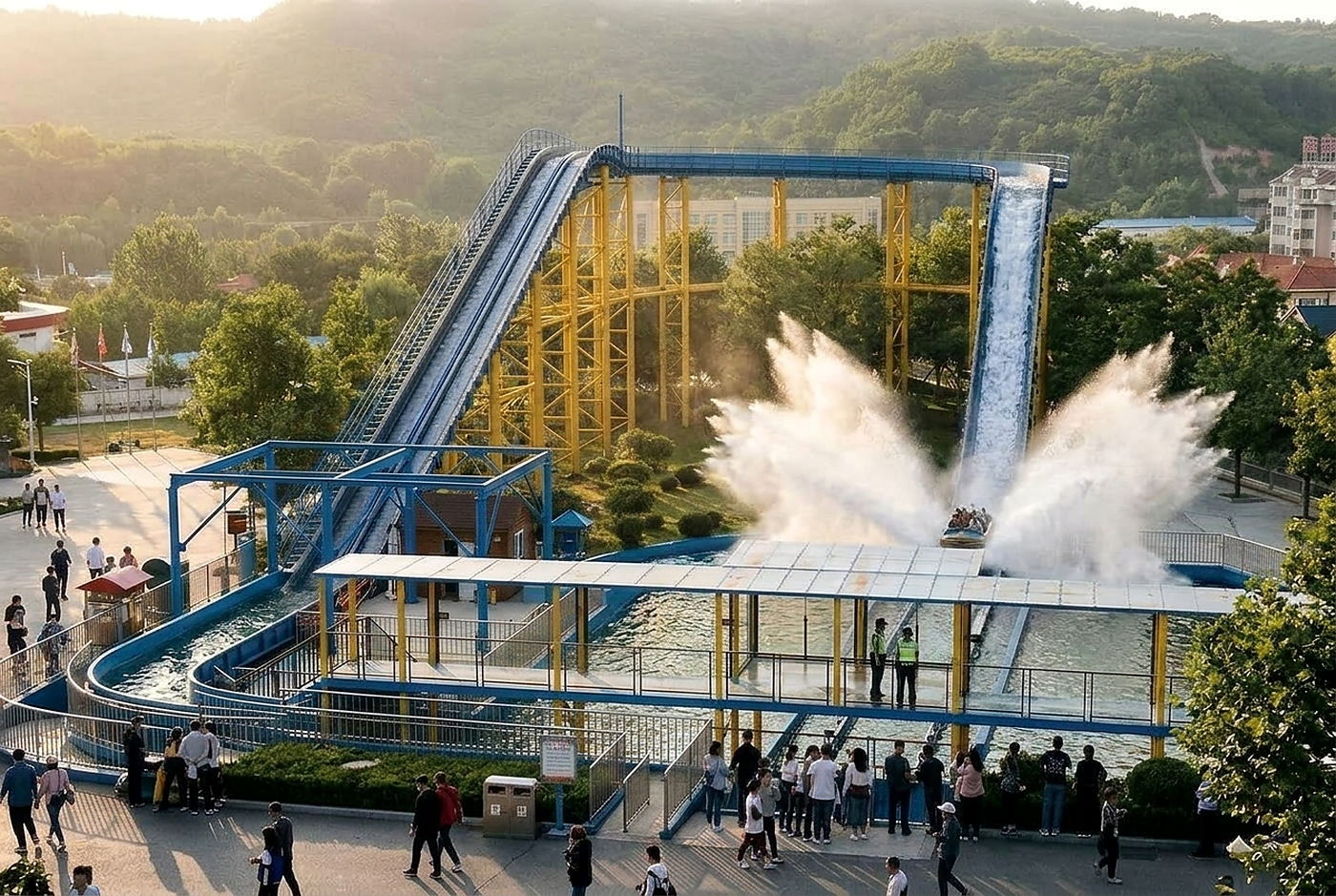
Flume Ride
Certified Quality
CE, ISO 9001 & ISO 14001 certified manufacturing with national Class A qualifications.
Global Reach
Rides exported to Russia, Southeast Asia, Middle East, South America & beyond.
Fast Production
31,000m² production base with CNC lines ensures on-time delivery.
Full Lifecycle Service
From design and manufacturing to installation, training, and after-sales support.
Tell Us About Your Project
Interested in Roller Coasters? Share your requirements — receive a tailored proposal from our engineering team within 24 hours.
Roller Coasters: An Overview for Procurement Teams
Roller coasters are the anchor attractions of most amusement parks, and the category spans a wide range of hardware. Buyers evaluating this category typically encounter steel coasters with inversions, launched coasters, family and junior layouts, and custom track profiles. Each type carries different implications for throughput, footprint, structural loading, and maintenance planning, so the first procurement step is matching ride type to the park's audience profile and site constraints.
How Buyers Shortlist Within the Category
Shortlisting usually starts with a few practical filters rather than brand preference:
- Target audience: family and junior coasters serve broader age ranges; inversion coasters target thrill seekers and often anchor a zone.
- Site footprint and envelope: available land, height limits, and clearance requirements narrow the viable track layouts.
- Throughput expectations: train configuration and dispatch cycle determine hourly capacity relative to peak attendance.
- Budget and lifecycle: initial capital cost, spare parts strategy, and long-term maintenance workload all factor into total cost of ownership.
Key Engineering and Site Considerations
Structural design is central to coaster procurement. Hot-dip galvanized steel structures are common for outdoor installations because they support durability in varied climates. Buyers should confirm foundation design against local soil conditions, review wind and seismic loading assumptions, and verify track geometry against the intended ride experience. Electrical and control systems, braking arrangements, and evacuation procedures also need early review, since they influence both safety planning and operating cost.
| Consideration | What to Confirm |
|---|---|
| Foundations | Soil survey and civil works scope |
| Structure | Galvanizing specification and corrosion protection |
| Controls | Redundancy, braking, and evacuation logic |
| Compliance | Applicable standards confirmed per project |
Procurement and Delivery Process
A typical process runs from concept and layout study, through detailed design and manufacturing, to shipping, installation supervision, commissioning, and operator training. Buyers should clarify what is included at each stage: design documentation, foundation drawings, shipping logistics, on-site assembly support, and spare parts packages. Delivery timelines depend on customization level and should be agreed contractually.
Evaluating Suppliers
Assess manufacturing capacity, engineering depth, quality control processes, and after-sales support. Request references for comparable installations, review documentation practices, and confirm that standards compliance will be verified per project. ZhipaoRides, with a 120,000 m2 factory in Hebei, China, manufactures coasters alongside Ferris wheels, drop towers, and water rides, and can be assessed against these criteria during supplier shortlisting.