
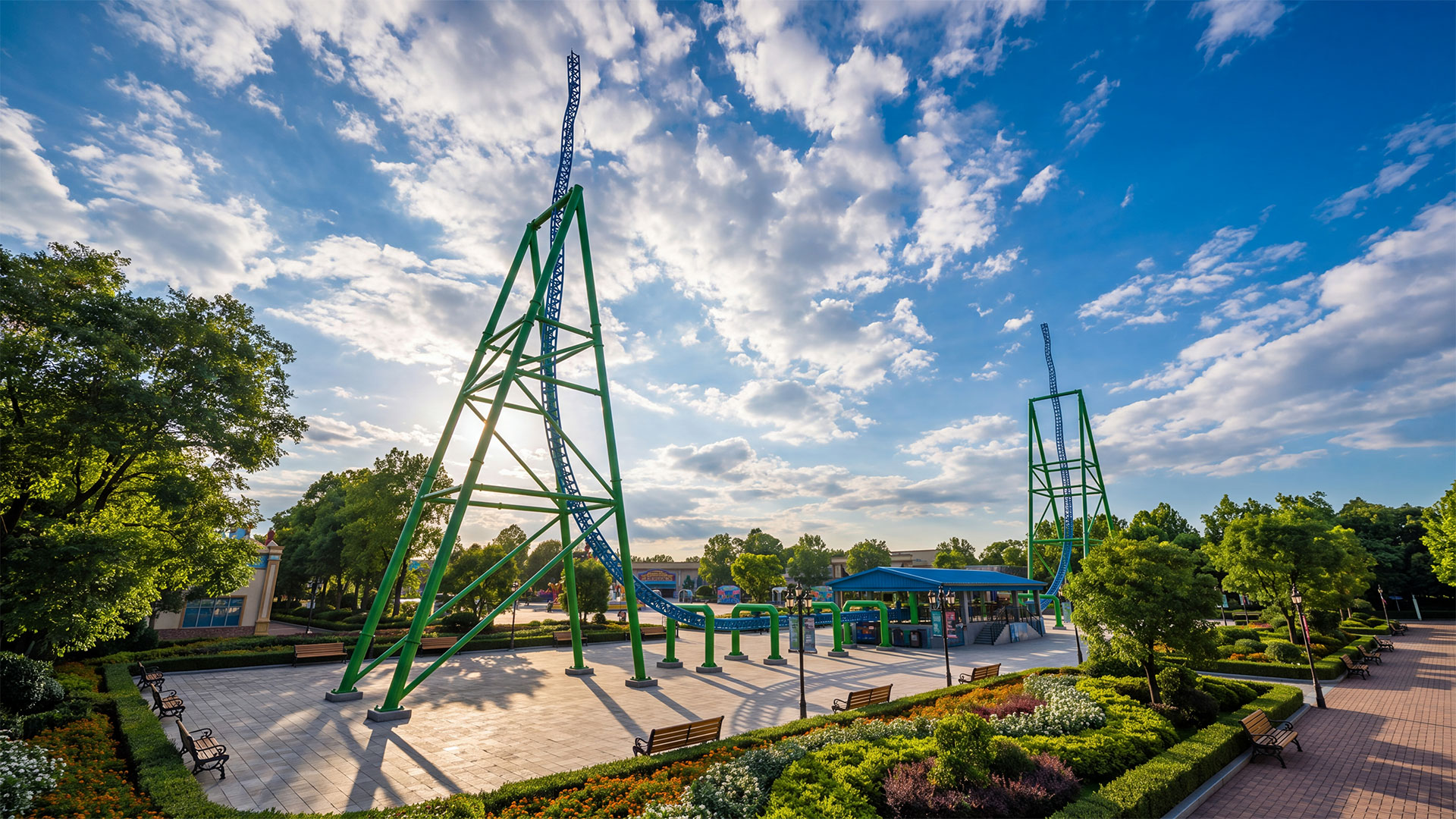
Other Amusement Rides
Explore the "other" ride category: a catch-all for specialty amusement rides. Learn how buyers shortlist, plan sites, and evaluate suppliers.
Certified Quality
CE, ISO 9001 & ISO 14001 certified manufacturing with national Class A qualifications.
Global Reach
Rides exported to Russia, Southeast Asia, Middle East, South America & beyond.
Fast Production
31,000m² production base with CNC lines ensures on-time delivery.
Full Lifecycle Service
From design and manufacturing to installation, training, and after-sales support.
Tell Us About Your Project
Interested in Other Amusement Rides? Share your requirements — receive a tailored proposal from our engineering team within 24 hours.
Understanding the "Other" Ride Category
The "other" category collects amusement rides and attractions that do not sit neatly inside a single conventional bucket such as coasters, wheels, towers, or water rides. It typically covers hybrid or custom attractions, specialty dark-ride elements, interactive and media-based experiences, and bespoke mechanical pieces built to a park's own concept. For procurement readers, this category is less about a fixed product list and more about matching an unusual guest experience to a supplier who can engineer, manufacture, and deliver it responsibly.
What This Category Covers
- Custom or hybrid ride systems that blend two or more ride types.
- Media-based and interactive attractions, including flying theaters and 4D cinema formats.
- Specialty tracked or guided experiences that do not fit standard categories.
- Bespoke themed structures and one-off mechanical attractions.
How Buyers Shortlist Within the Category
Because the scope is broad, start from the guest outcome rather than the hardware. Define the target audience, throughput expectation, footprint, and theming intent. Then group candidate concepts by ride principle (motion, media, or hybrid) and screen each against your site constraints. A shortlist should compare like with like: a media attraction and a mechanical hybrid solve different problems, so evaluate them on separate criteria before ranking.
Key Engineering and Site Considerations
Custom attractions place a premium on early engineering dialogue. Confirm structural loads, foundation requirements, clearances, and evacuation routes against your site survey. Power, control systems, and maintenance access should be reviewed alongside guest flow. For outdoor structures, specify corrosion protection appropriate to your climate; hot-dip galvanized steel is a common baseline for durability. Where local codes apply, reference the relevant standards only as "confirm per project" and have your engineer validate compliance before commitment.
Procurement and Delivery Process
A workable process runs through concept definition, technical feasibility review, detailed design, manufacturing, factory testing, shipping, installation, and commissioning. Ask for a clear schedule with milestones and defined responsibilities for foundations, utilities, and site assembly. Clarify documentation, spare parts, and training handover early, since custom projects carry more interface risk than catalog products.
Evaluating Suppliers
Look for demonstrated engineering depth, in-house manufacturing capacity, and a transparent quality process. Visit or review the factory, examine structural and safety documentation, and confirm how the supplier handles design changes. A manufacturer such as ZhipaoRides, with large-scale fabrication capability, can be assessed on these same criteria. Compare responses to the same technical brief, and favor suppliers who ask precise questions and document assumptions rather than those who promise without detail.