Overview
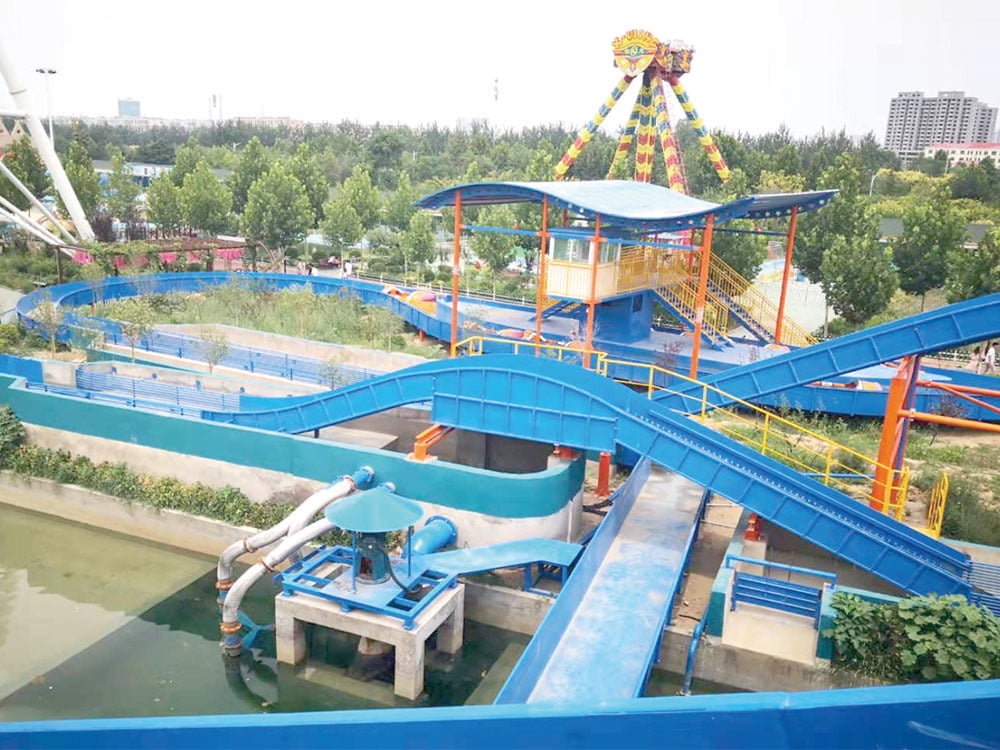
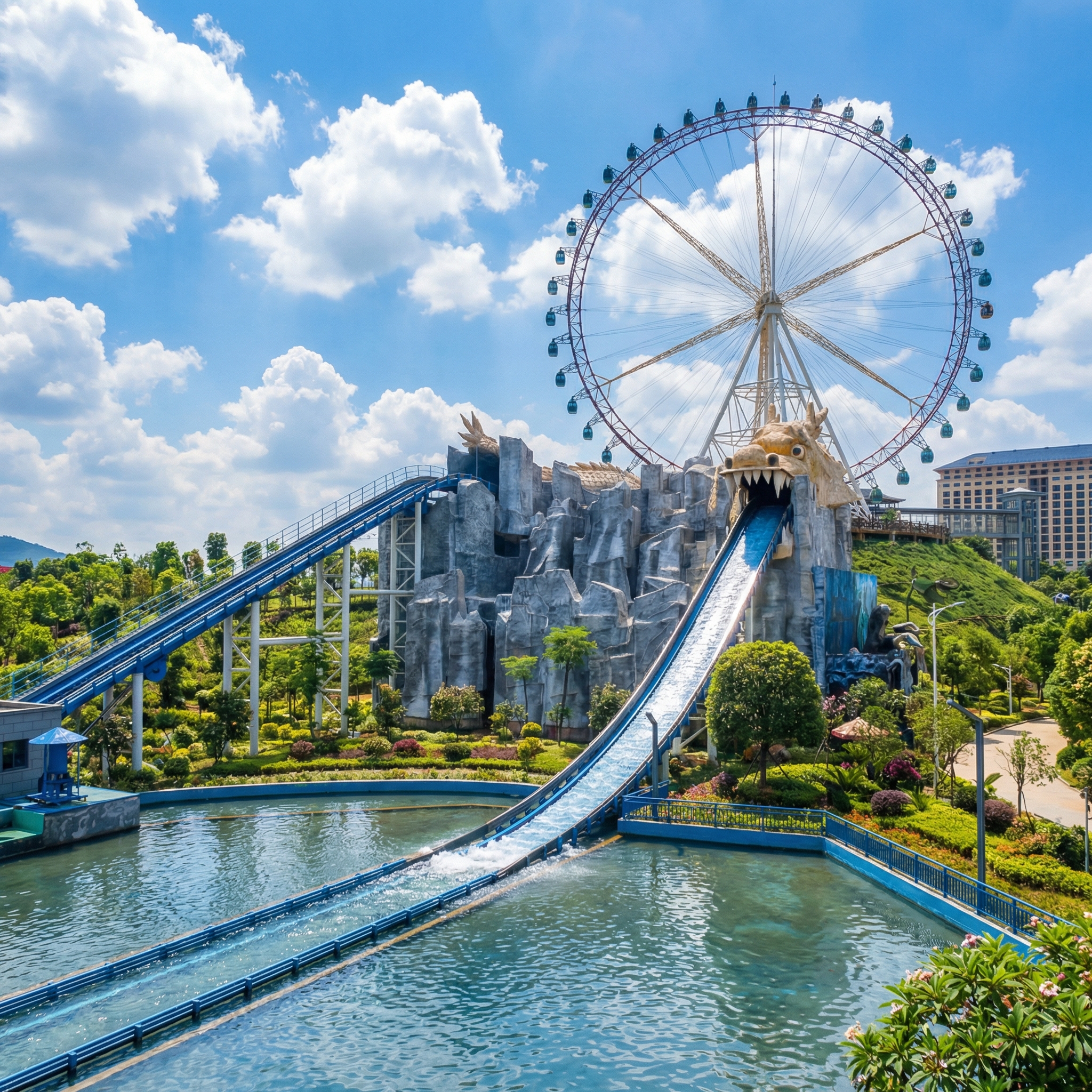
The Double Peak Flume Ride is a fixed water coaster designed for park developers and investors. Boats carry 20 riders through two lift sections, an elevated section, a dive, and a return channel. The track reaches 27.4m, giving a pronounced drop and water splash. The ride cycle is about 4.5 minutes. It suits parks that want a water-based attraction with high capacity and a clear thrill element.
Design and build
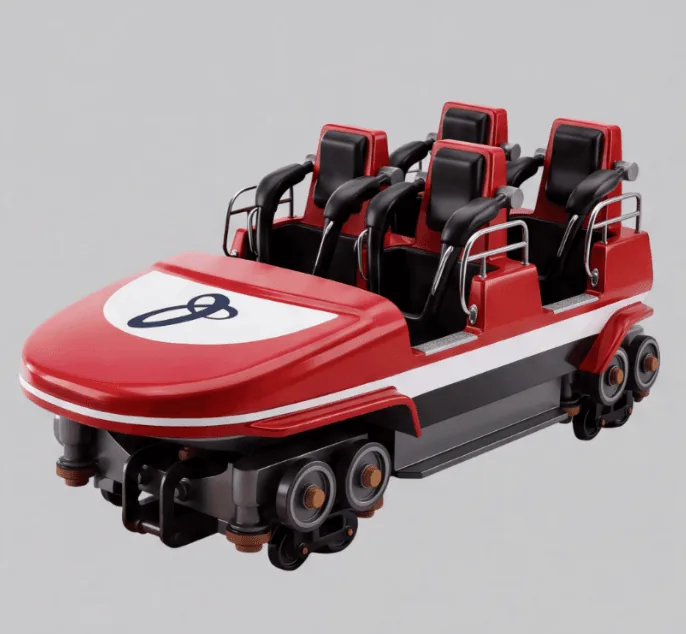
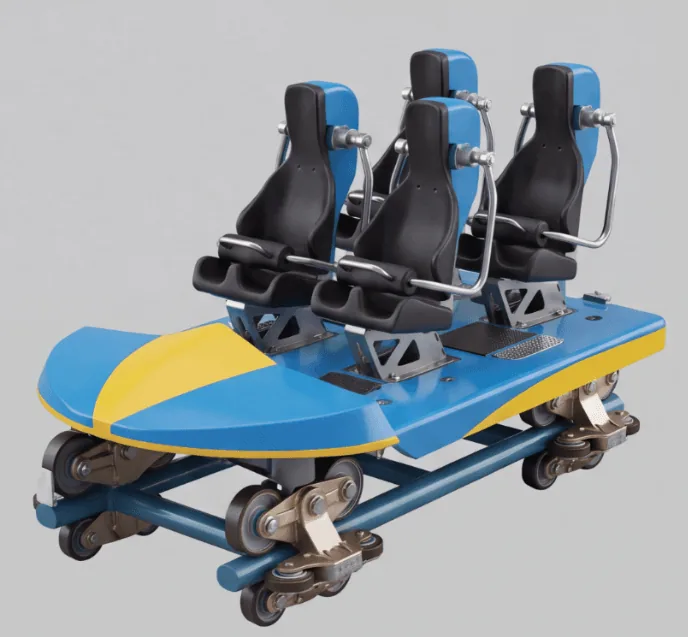
The ride is built as a (water coaster) system. It uses three boats in simultaneous operation, with zone interlock control. Photoelectric switches along the channel detect each boat’s position, and the control program manages dispatch timing. The lift speed is 1.1m/s. The boat is locked by a mechanical restraint system. The design life is 20 years for the structure and 10 years for the boats. The ride is designed to the standards required by your market, confirmed per project.
- Two lift sections: first to 7.3m, second to about 27.4m.
- Three boats run in linked zones to increase capacity.
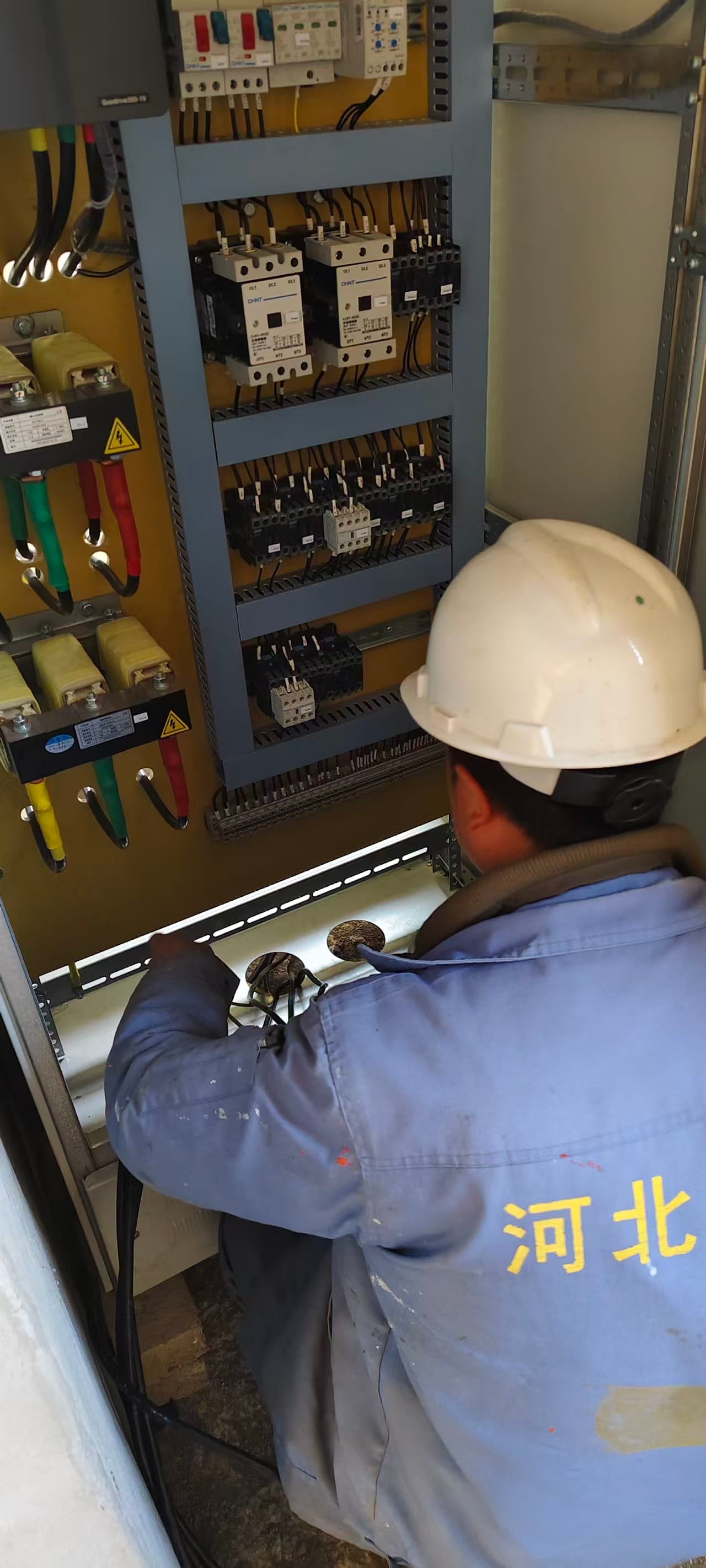
- Interlocks monitor restraints, water level, air pressure, and chain tension.
- Boat position detection supports anti-collision control.
Site and installation
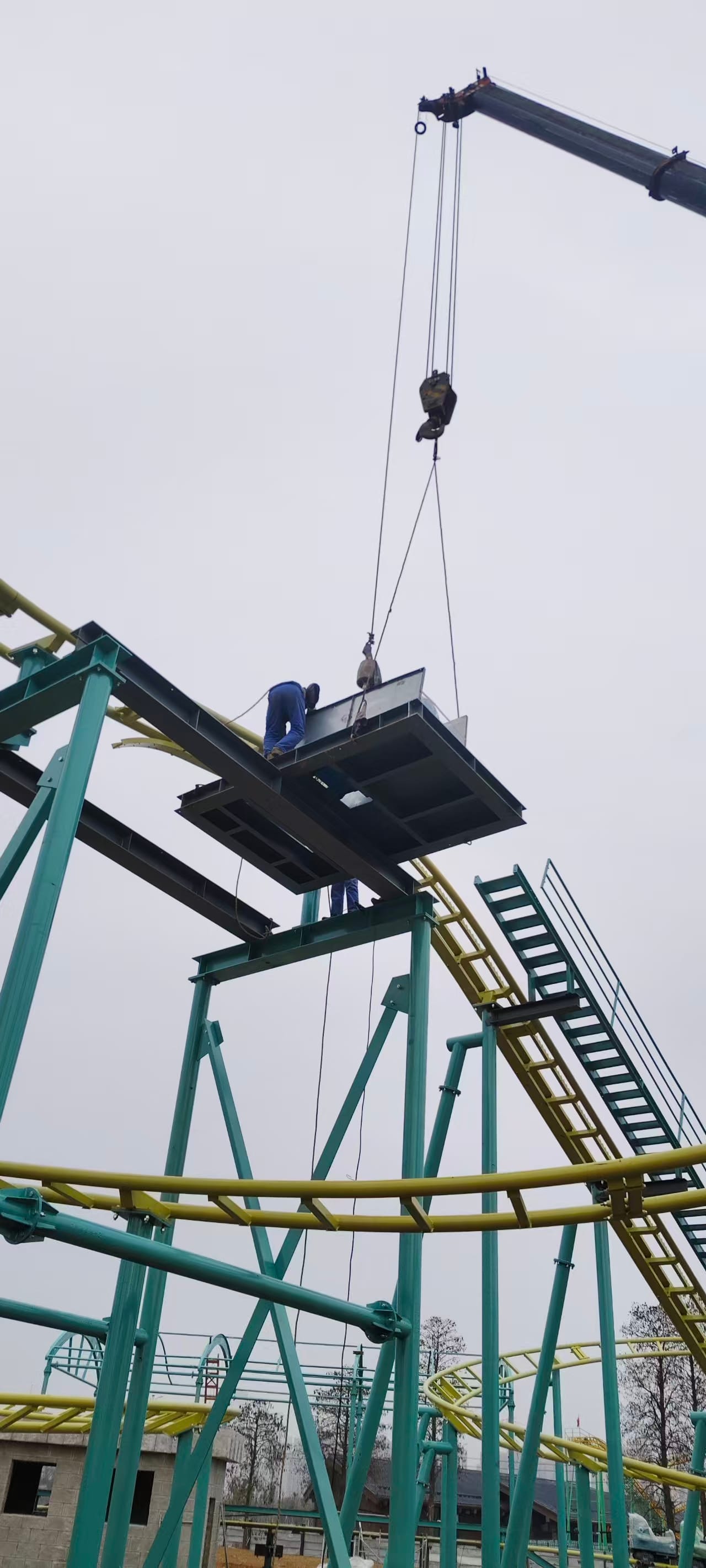
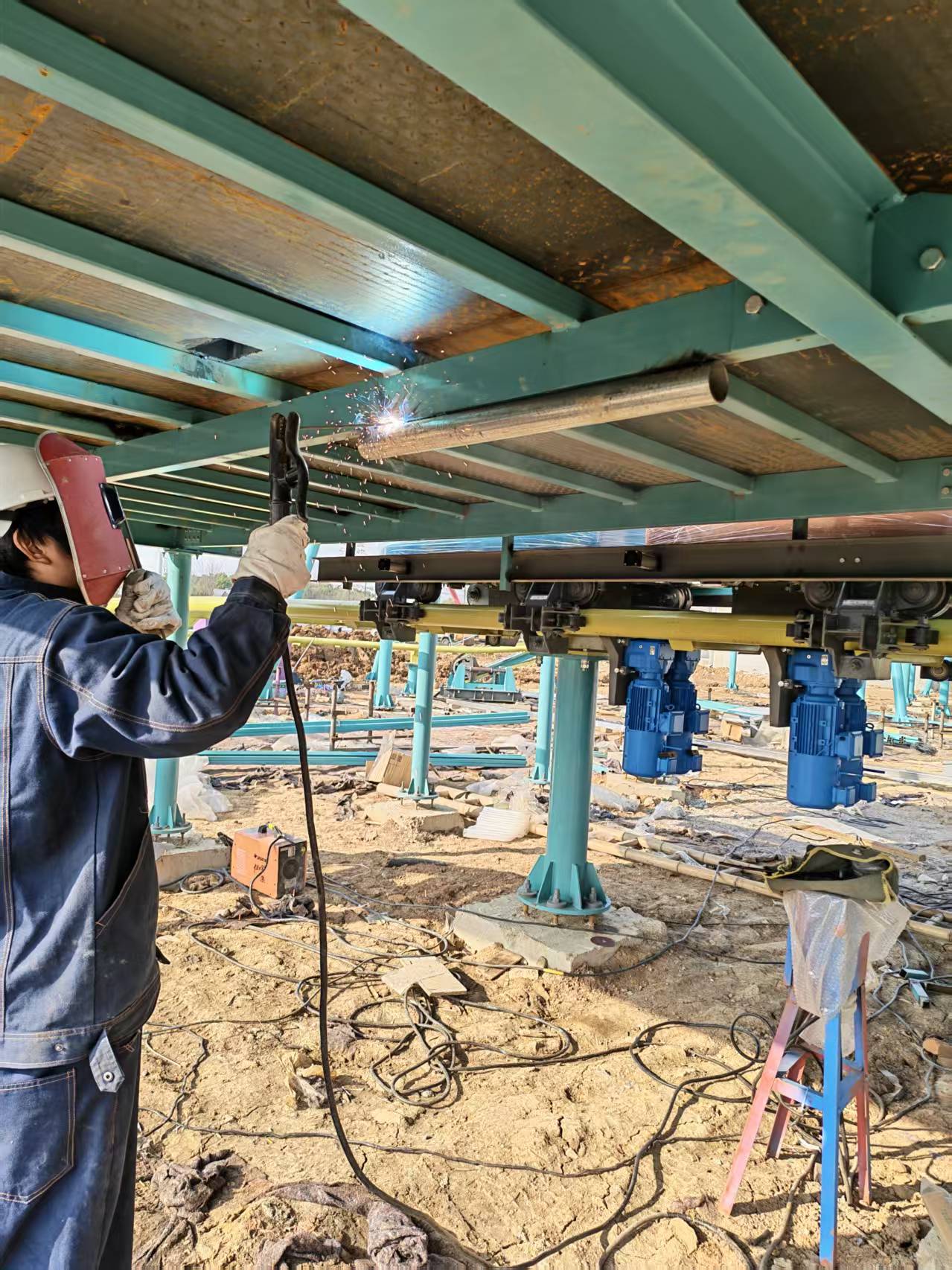
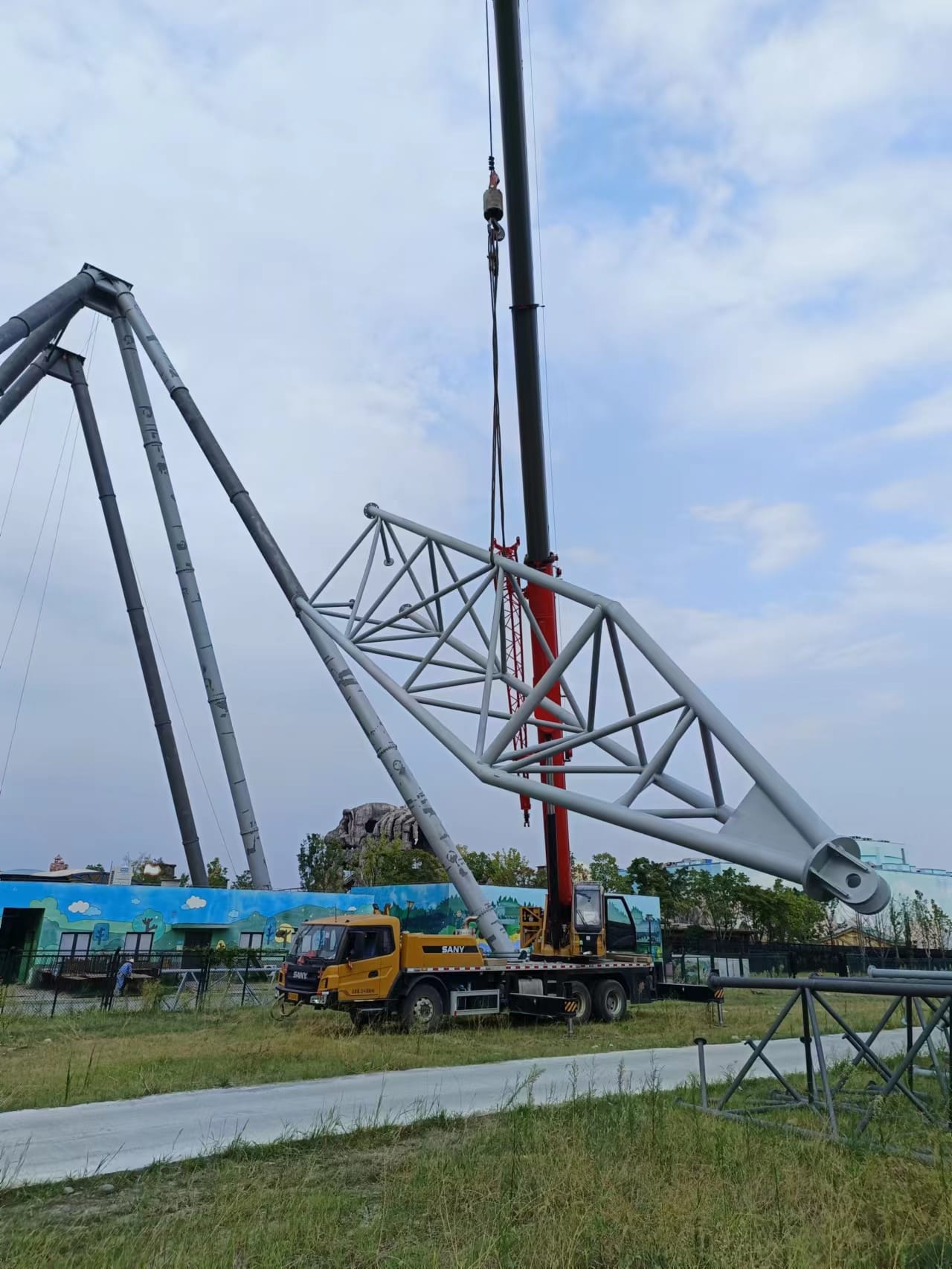
The ride footprint is 145×101m. It is a fixed installation, so foundation design and site preparation are project-specific. The power supply is 3N+PE 380V/220V 50Hz, with an installed capacity of 517kVA. Installation requires coordination with local codes and site conditions. The ride is supplied with an evacuation plan, including rescue ladders, radios, and staff training requirements. Site layout should allow access to the lift sections and water channels for maintenance and evacuation.
Operating notes
Operation follows a documented procedure with automatic interlocks. Restraint closure and locking are interlocked with start-up. Water level and air pressure are monitored before dispatch. The lift chain tension is checked for correct engagement. Boat zones are interlocked to prevent collisions. In an emergency, authorized staff follow the evacuation plan. At least three trained rescuers and two maintenance staff are required, along with communication equipment and rescue gear. Daily checks and maintenance schedules should follow the manufacturer’s manual.