Overview
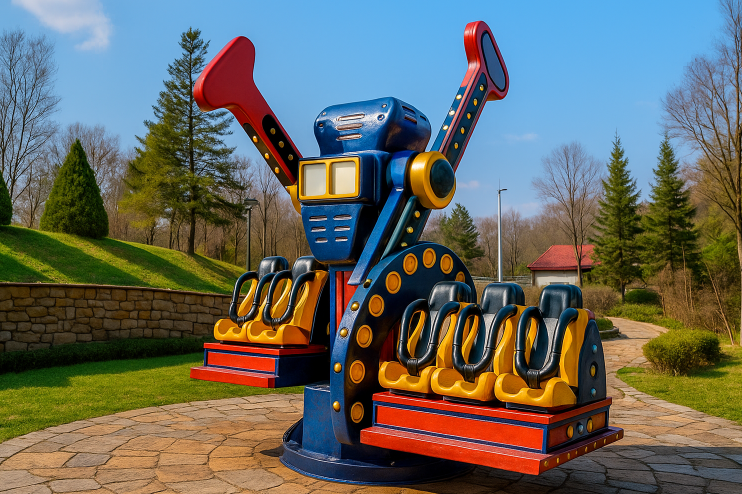
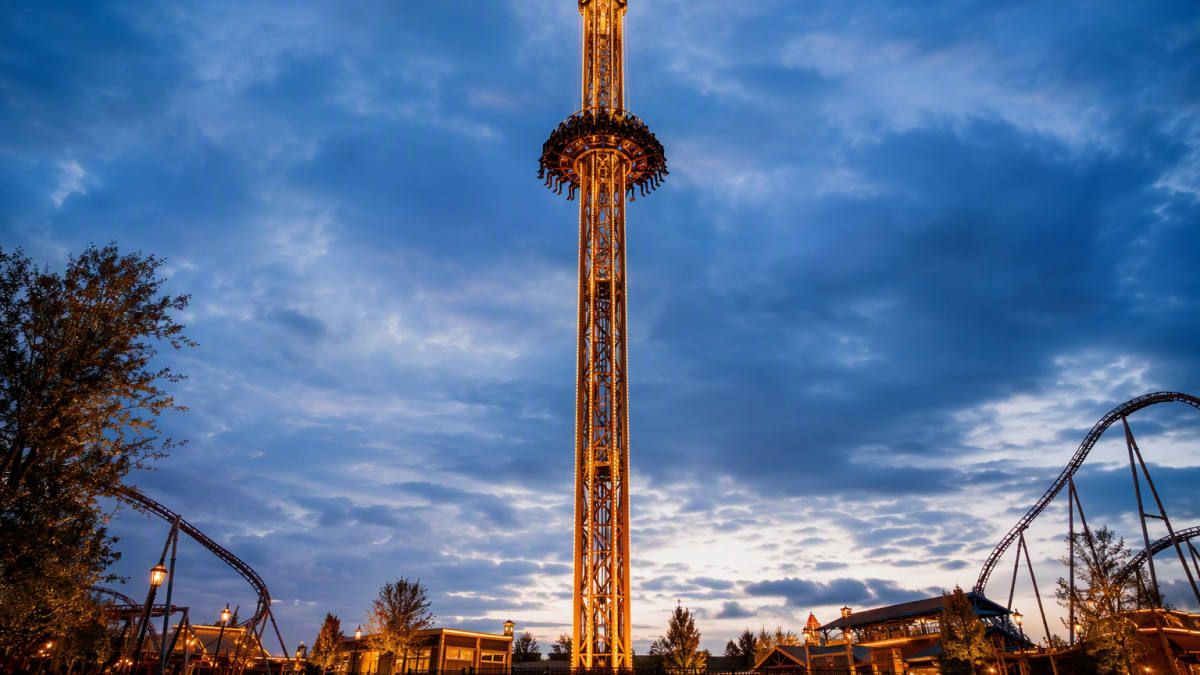
Around the Stars is a self-controlled aircraft ride in the drop tower category. It carries 12 riders in individual seats. The ride combines a horizontal orbit with vertical spinning of the seats, creating a sensation similar to space travel. The seats remain horizontal at all times, so boarding and riding are comfortable. This attraction is designed for family entertainment centers, theme parks, and fairs that need a compact ride with a moderate thrill level.
Design and build
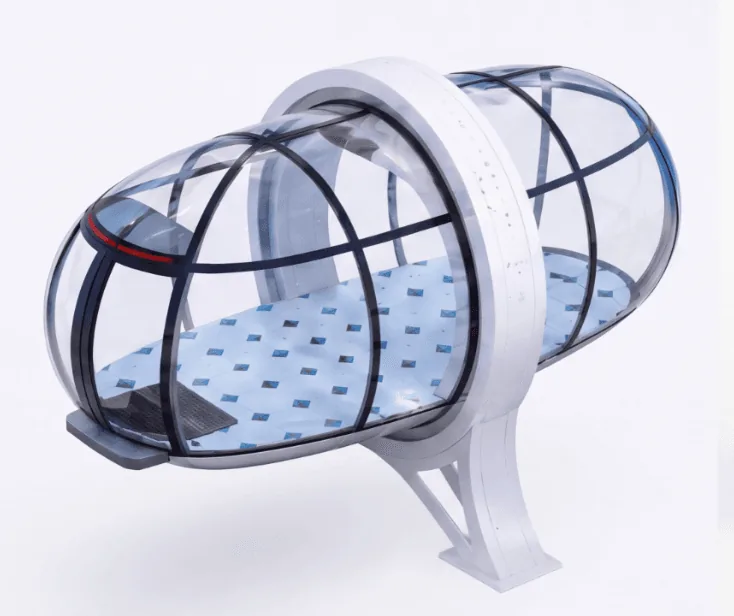
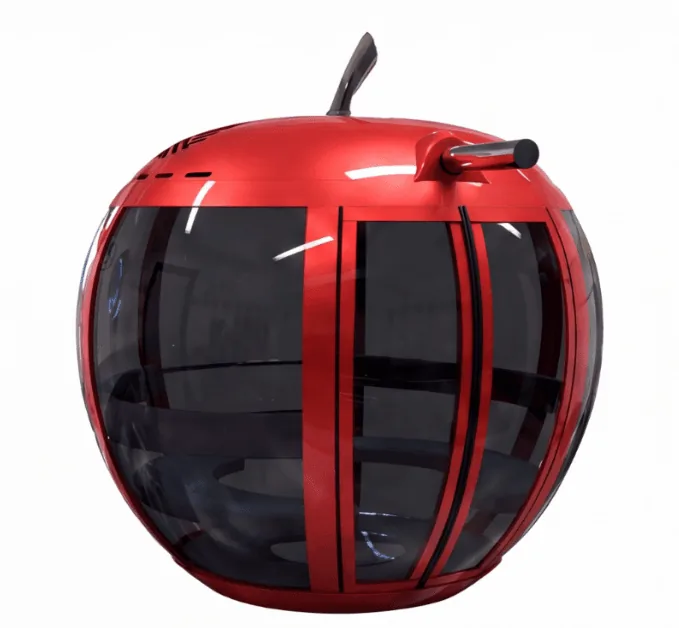
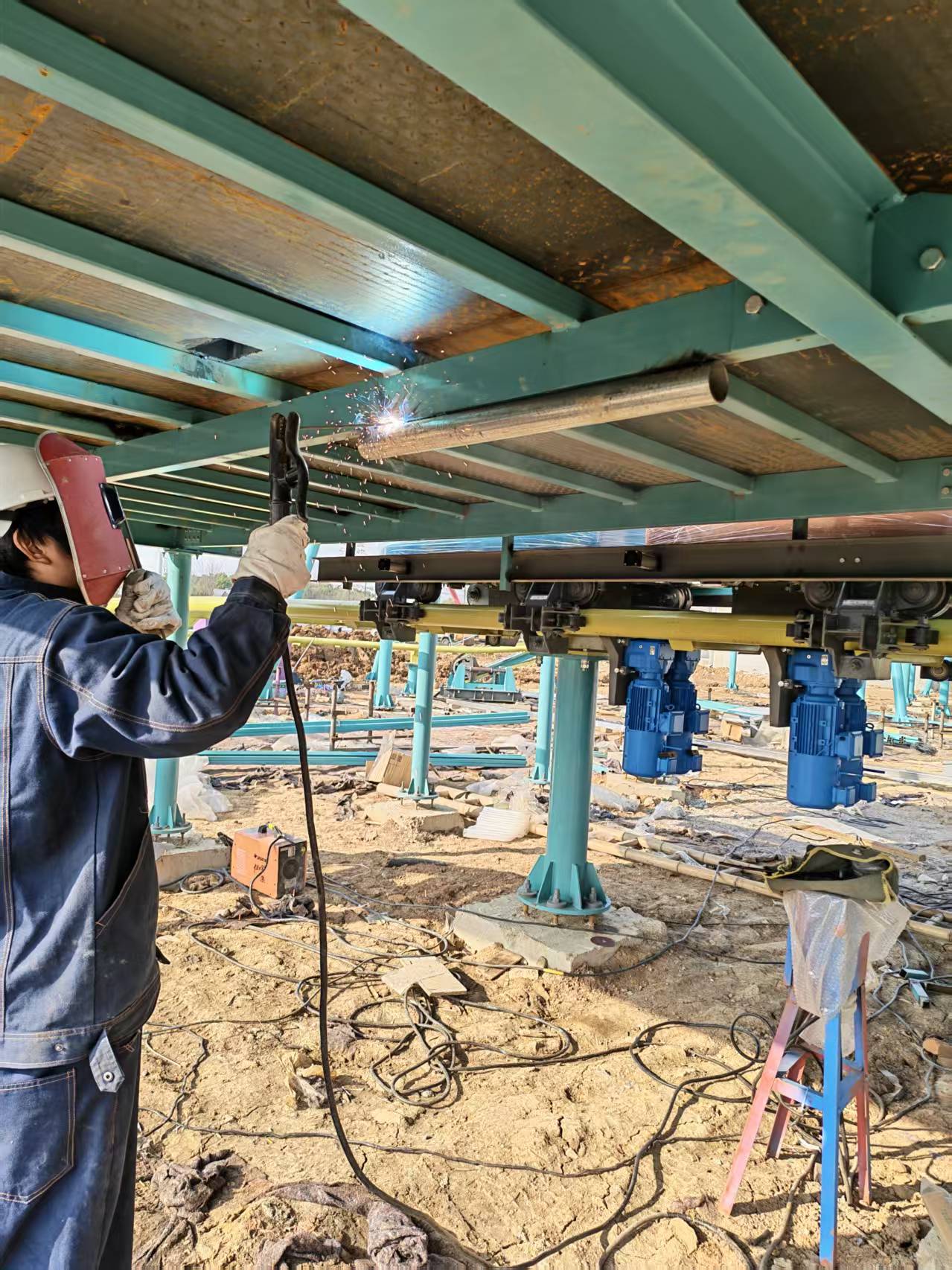
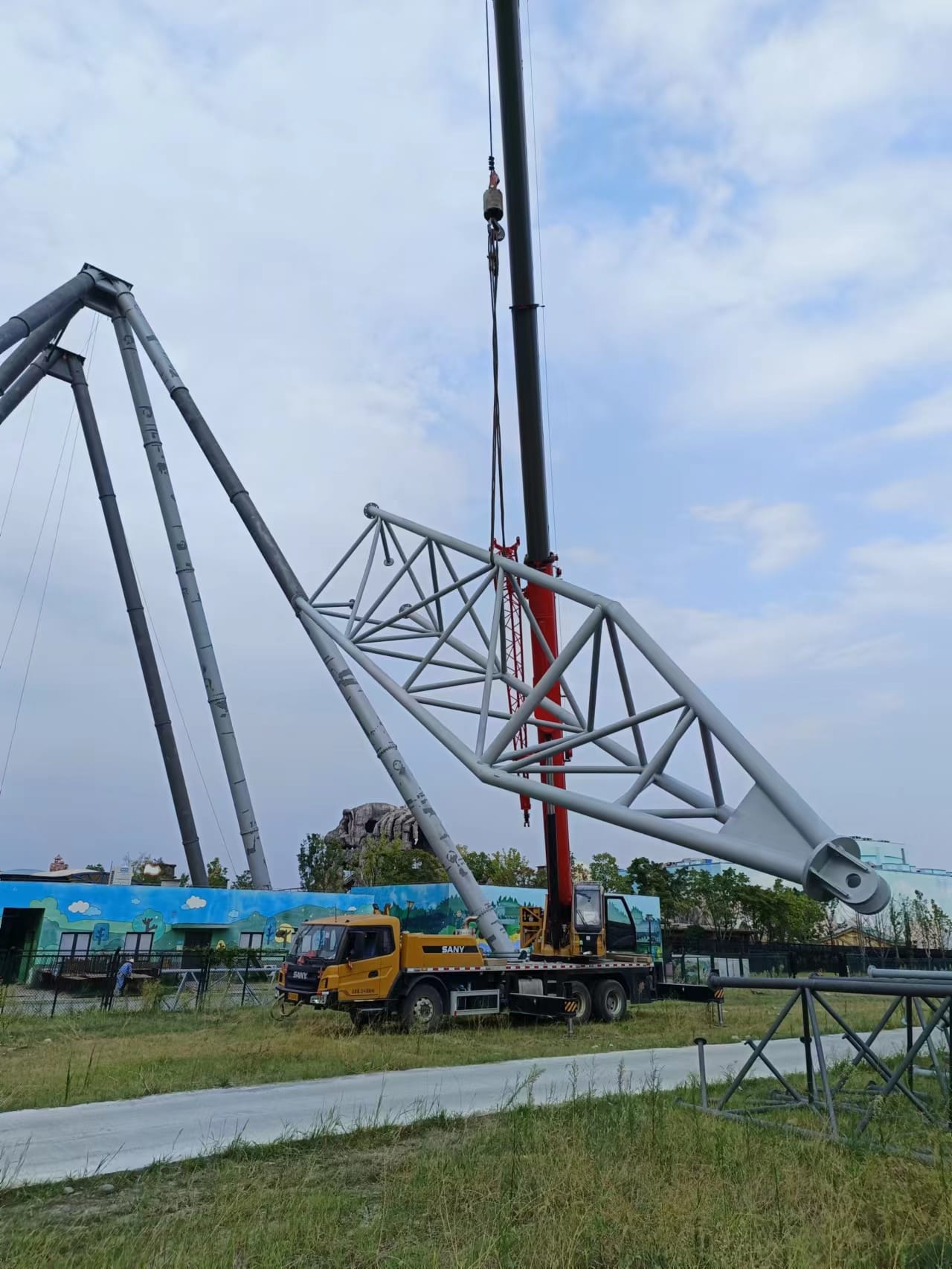
The ride consists of a platform, base, column, rotating arms, seats, and steps. The column rotates horizontally while the arms carry the seats in a vertical spin. A seat leveling mechanism keeps each seat horizontal, ensuring stability during boarding and a smooth ride experience. Electric lift steps rise automatically when riders board and lower before the ride starts, so they do not interfere with operation. The restraint system includes safety bars with interlocks that prevent the ride from starting unless all bars are secured. The steps also have an interlock to confirm they are retracted before operation. The ride is designed to the standards required by your market, confirmed per project.
Site and installation
The ride has a swing diameter of 7 m and an overall height of 6.1 m. It requires a footprint of 10 m by 11.5 m. The travel height is 5.5 m. The installed power is 55 kVA, and the power supply is 3N+PE 380V/220V 50Hz. The foundation and anchoring requirements are confirmed per project based on local soil conditions and applicable standards. The ride is delivered as a complete set with electrical and control systems. Installation and commissioning are performed by trained personnel according to the provided manuals.
Operating notes
The ride operates with a orbit speed of 4 r/min and a spin speed of 7 r/min. A cycle accommodates 12 riders. The expected service life is 16 years under normal operating and maintenance conditions. Daily checks include restraint interlocks, step operation, and emergency release functions. In case of power failure, procedures allow manual lowering of the seats and release of restraints. Trained staff should follow the emergency plan, which includes communication with riders and coordination with local emergency services if needed. Regular maintenance and inspections are essential for safe operation.