Overview
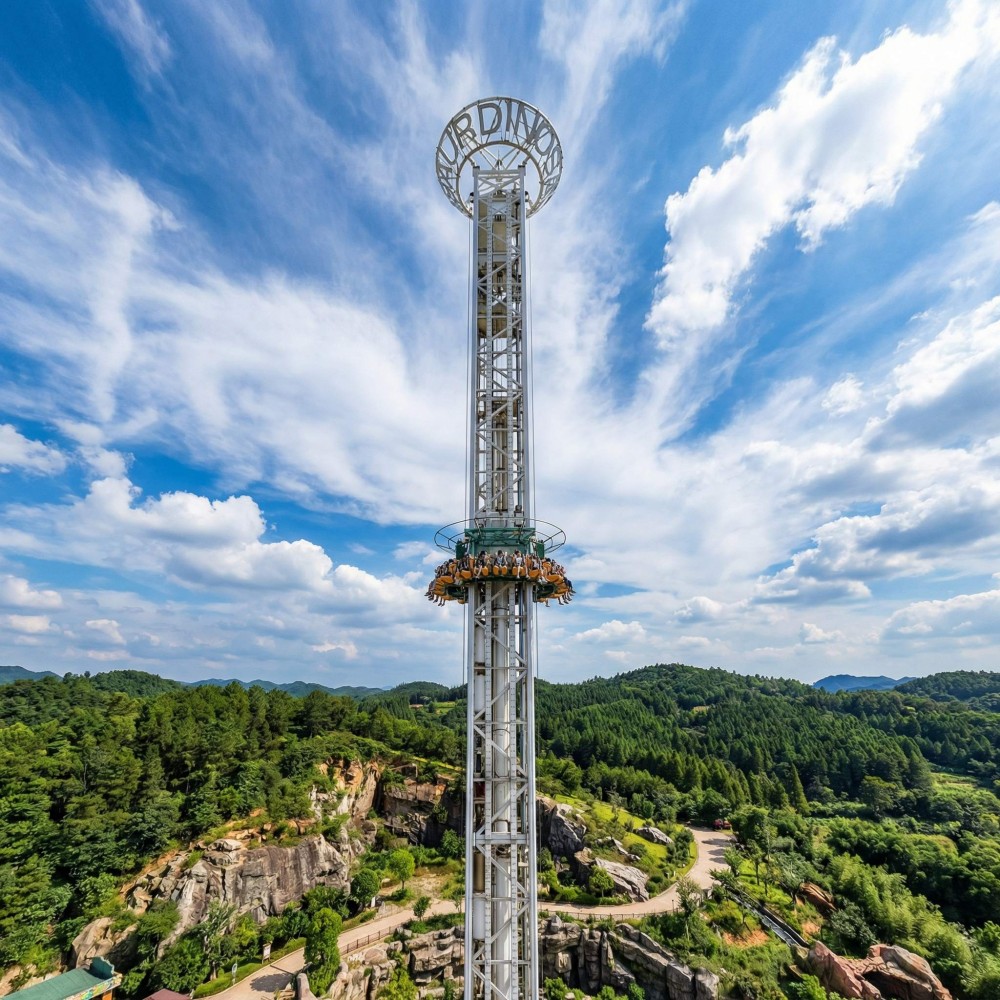
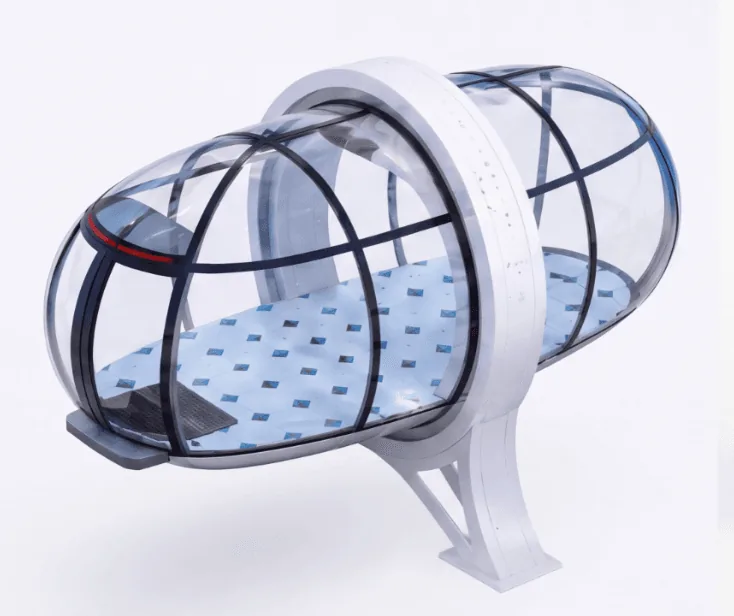
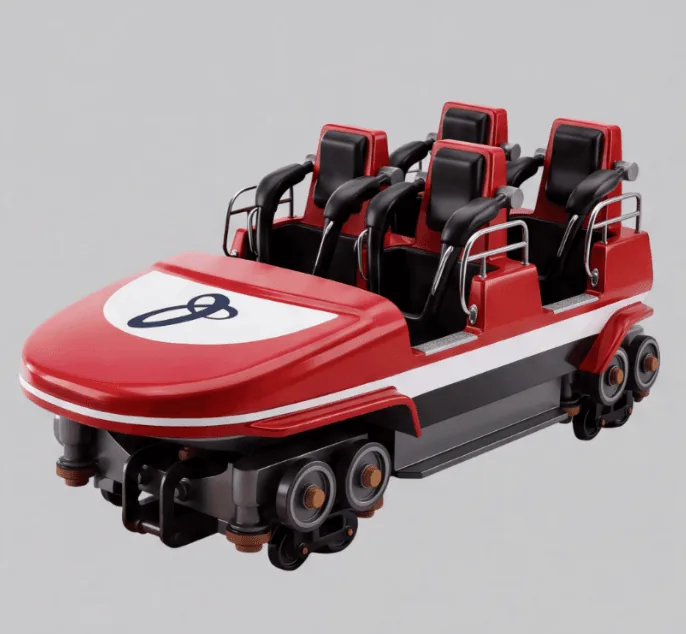
The Rotating Drop Tower is a fixed free-fall attraction. A 16-seat cabin rotates around a vertical column while moving up and down, giving riders alternating sensations of weightlessness and acceleration. The ride reaches a drop height of 28.5 m and completes a cycle in approximately 120 seconds. It is intended for amusement parks, family entertainment centres and mixed-use leisure developments that need a compact thrill ride with a small footprint.
Design and build
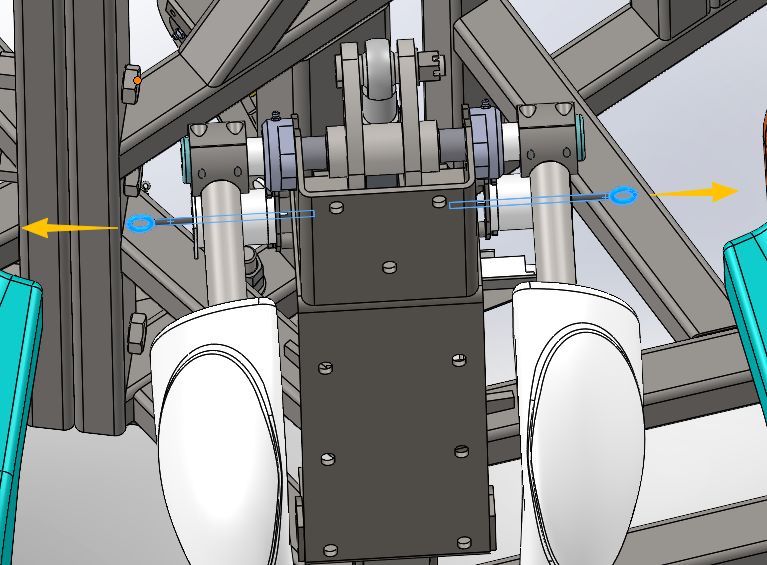
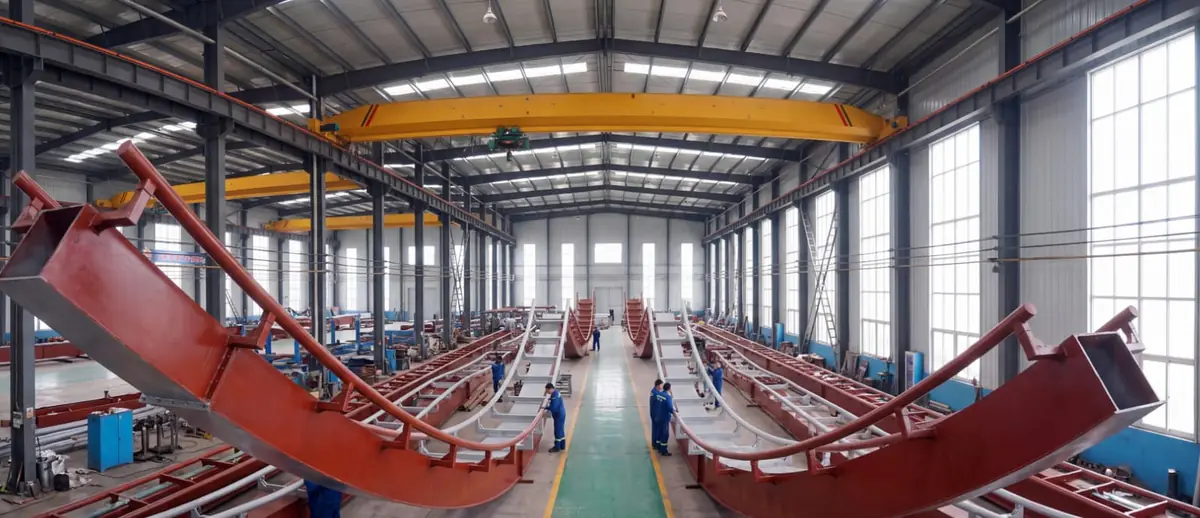
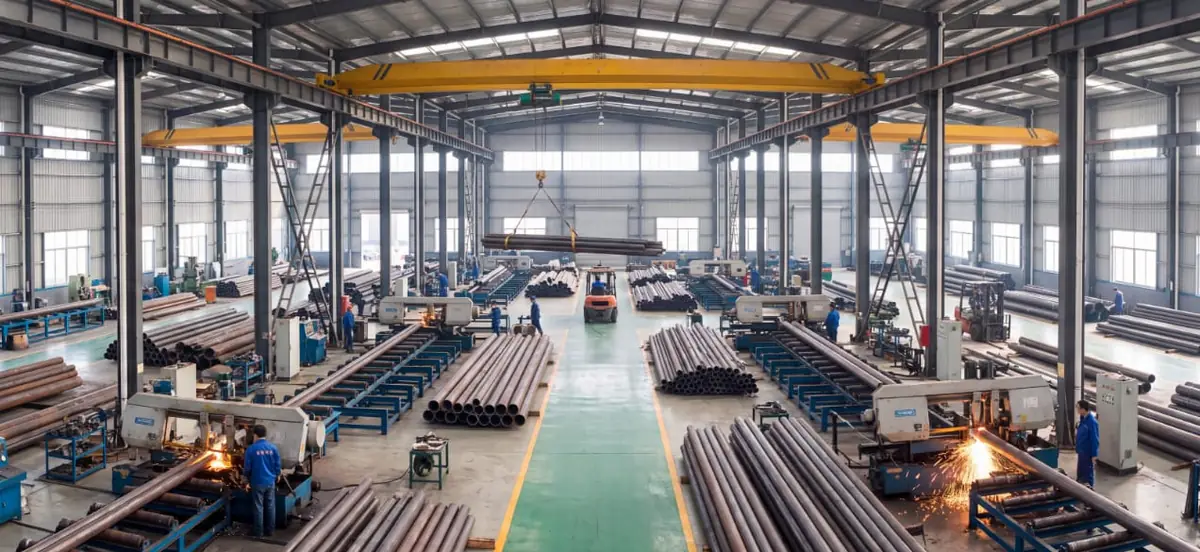
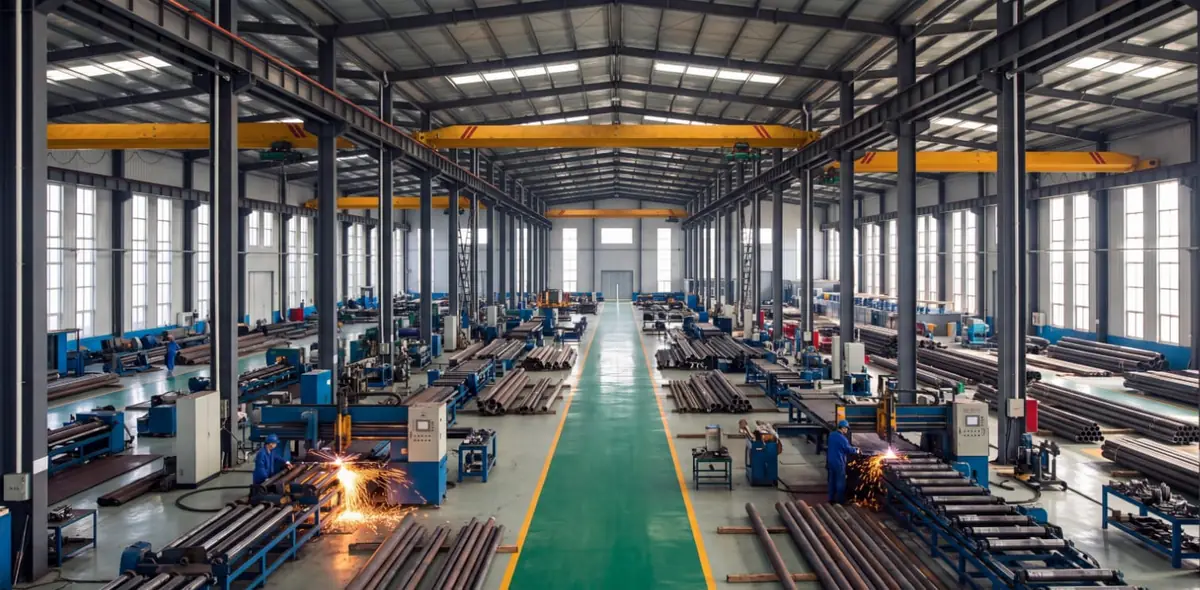
The structure is designed to the standards required by your market, confirmed per project. The cabin runs on a vertical column and is driven by a pneumatic system. This layout allows smooth acceleration and quick response during the lift, hold and drop sequence. Seats are locked by a mechanical system with a detection mechanism, and the base includes air-hydraulic buffers to absorb impact at the end of the descent.
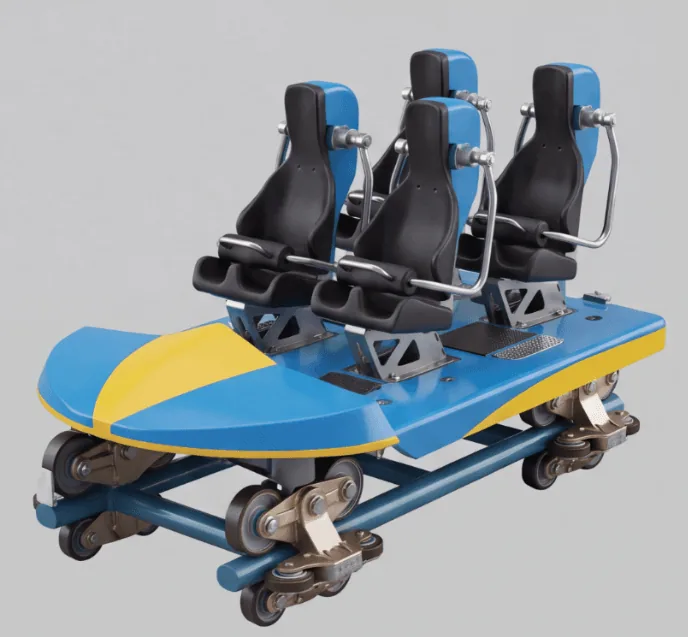
- Seat shells can be customised in colour and finish to suit park theming.
- Restraint bars are shaped for comfort and include soft padding.
- Interlocks prevent operation until restraints are locked and air pressure is sufficient.
- Broken-rope detection stops the ride if a fault is detected.
Site and installation
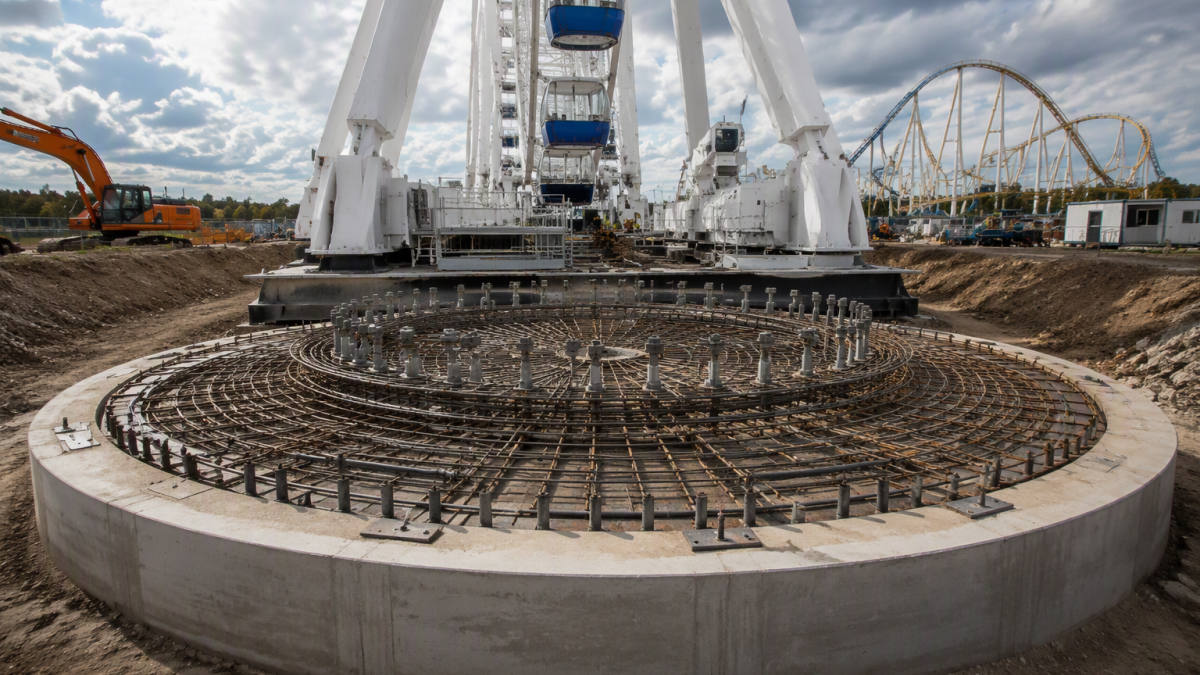
The ride requires a footprint of 14 m by 10 m and a power supply of 3N+PE 380V/220V 50Hz. Installed power is 115 kVA. The equipment is fixed-mounted and should be installed on a prepared foundation according to the project-specific engineering drawings. Site works, access routes and utility connections should be planned with the supplier before delivery. Installation and commissioning are carried out by qualified personnel.
Operating notes
The ride cycle is approximately 120 seconds, including loading and unloading. Operators should follow the daily inspection schedule and the emergency procedures provided in the operation manual. Two evacuation methods are available: a maintenance-mode descent and a manual valve release for power failure. Both are designed to evacuate riders within 5 to 15 minutes, depending on the method used. Training for attendants should cover restraint checks, interlock tests and evacuation drills.