Overview
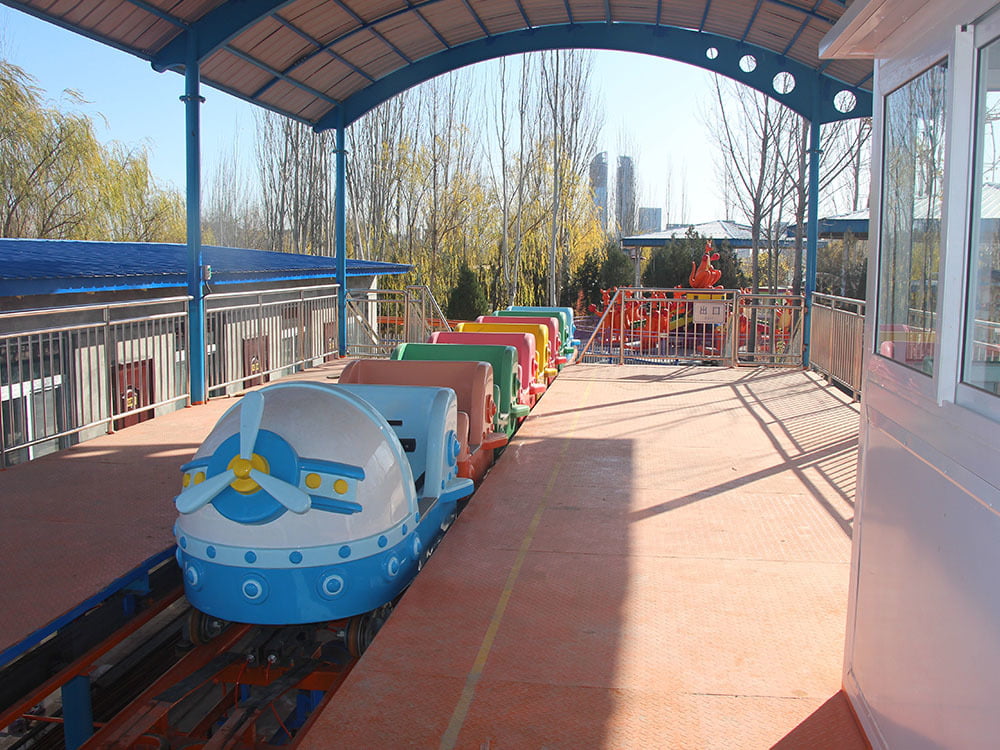
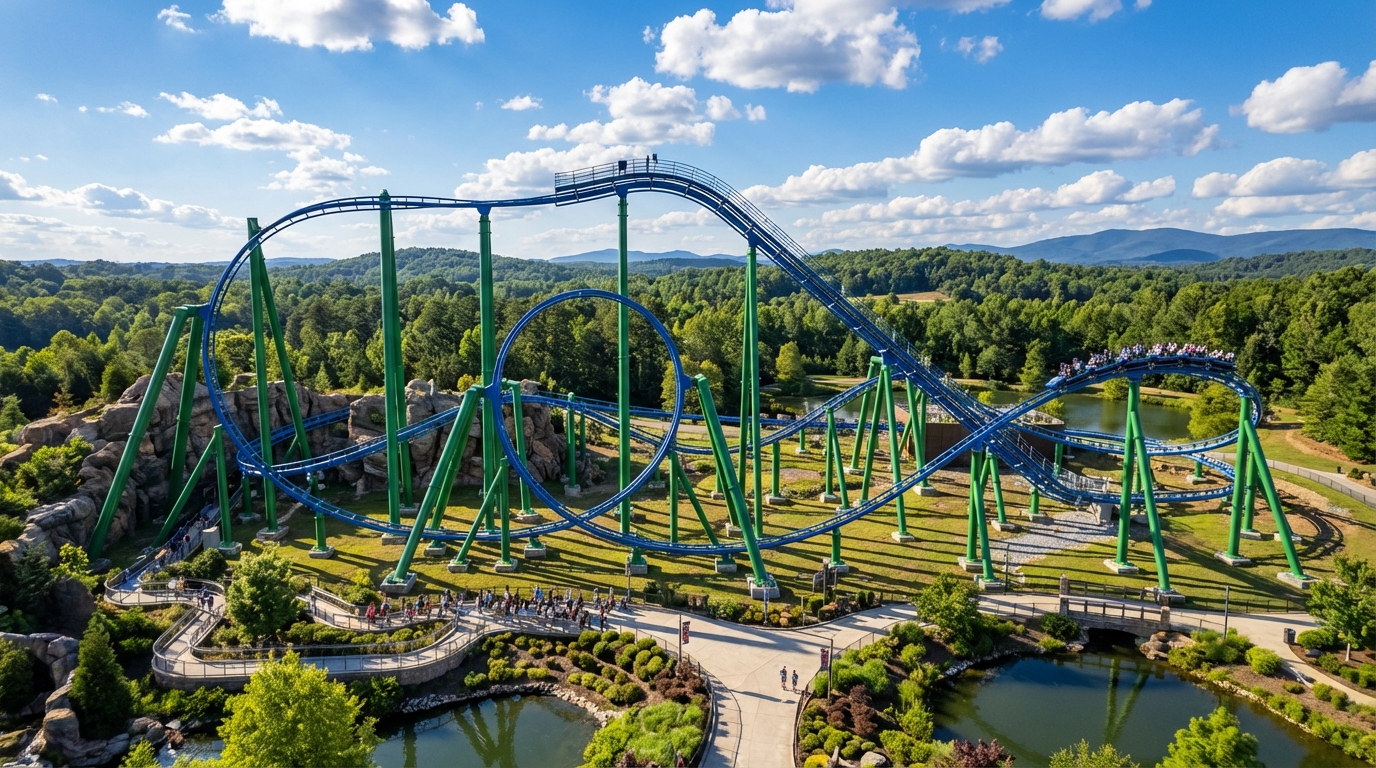
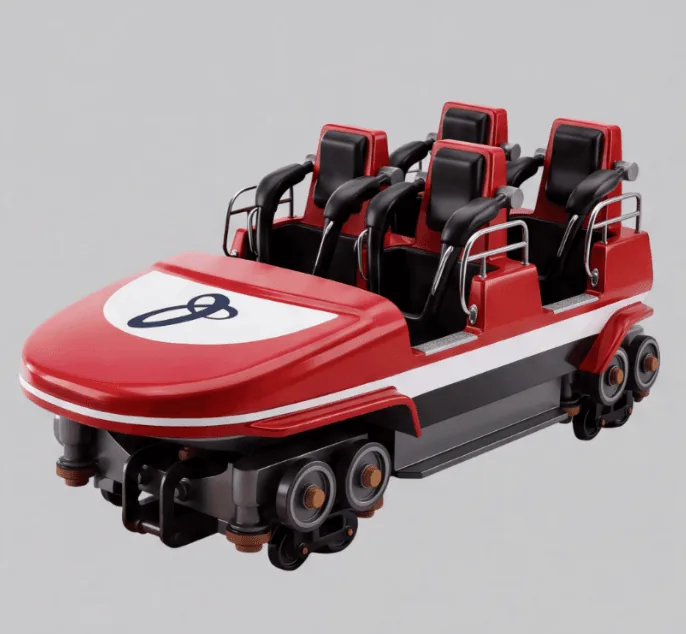
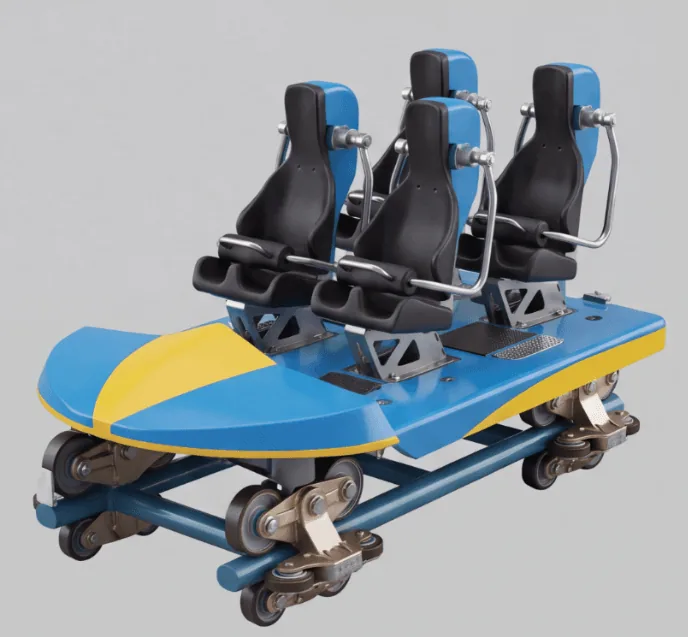
The Family Roller Coaster is an elevated track ride designed for broad visitor appeal. An 8-car train carries passengers up a lift hill to the highest point, then releases into a free glide along the track. A braking section slows the train for a smooth return to the station. The complete cycle lasts approximately 100 seconds, offering a mix of speed, turns, and near-weightlessness suitable for family audiences.
Design and build
The ride incorporates permanent magnet noise reduction in the lift system. On the car body, permanent magnet plates are added beside the anti-rollback hooks, and aluminum plates are installed beside the anti-rollback teeth in the lift system. As the train enters the lift track, the aluminum plates cut through magnetic field lines, generating a force that lifts the anti-rollback hooks so they do not contact the teeth during operation. This eliminates noise from metal-to-metal contact and creates a quieter ride experience.
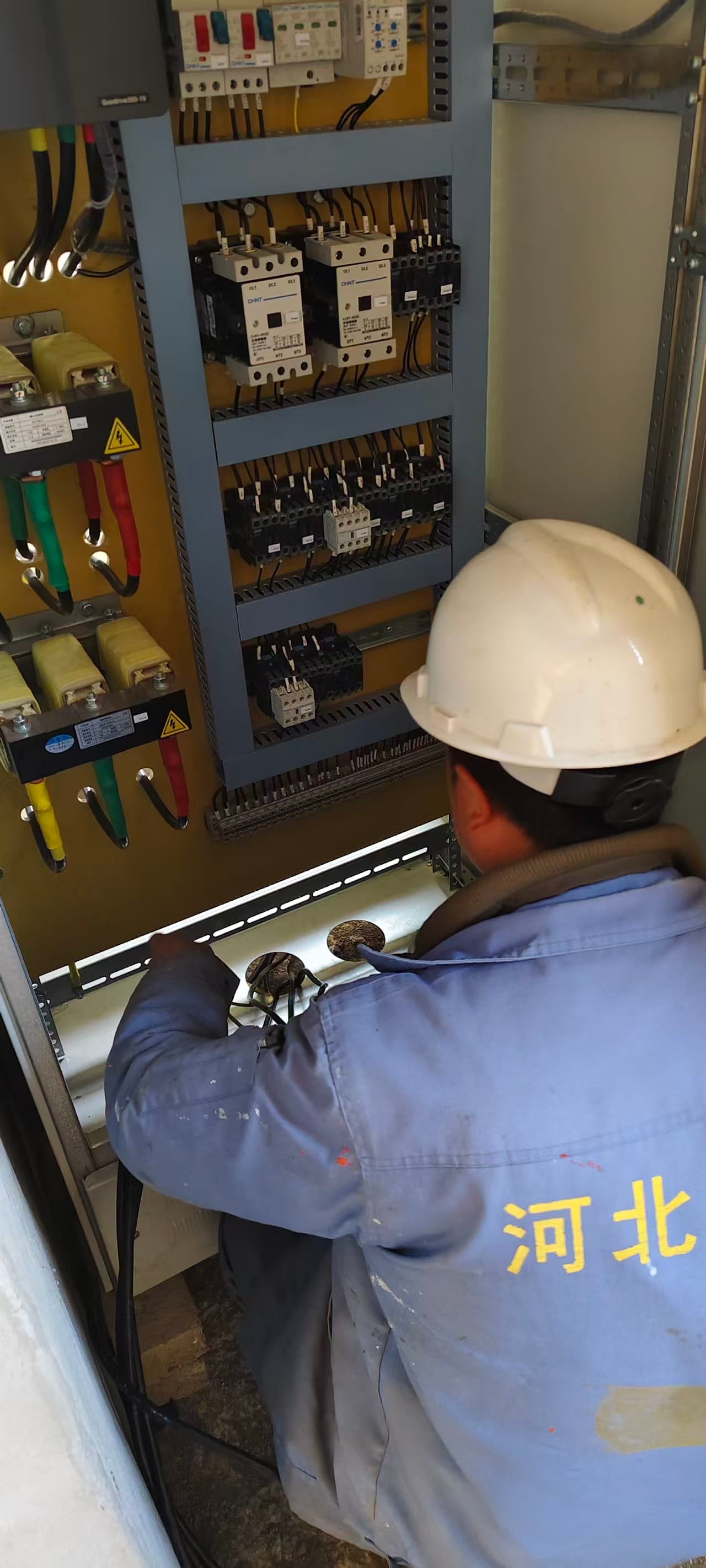
The restraint system uses safety lap bars with a locking interlock that confirms proper engagement before the ride can dispatch. The control system includes multiple interlocks: safety lap bar locked position, pneumatic system pressure, pre-dispatch conditions, and chain tension. These checks help ensure that the ride operates only when all safety conditions are met.
Site and installation
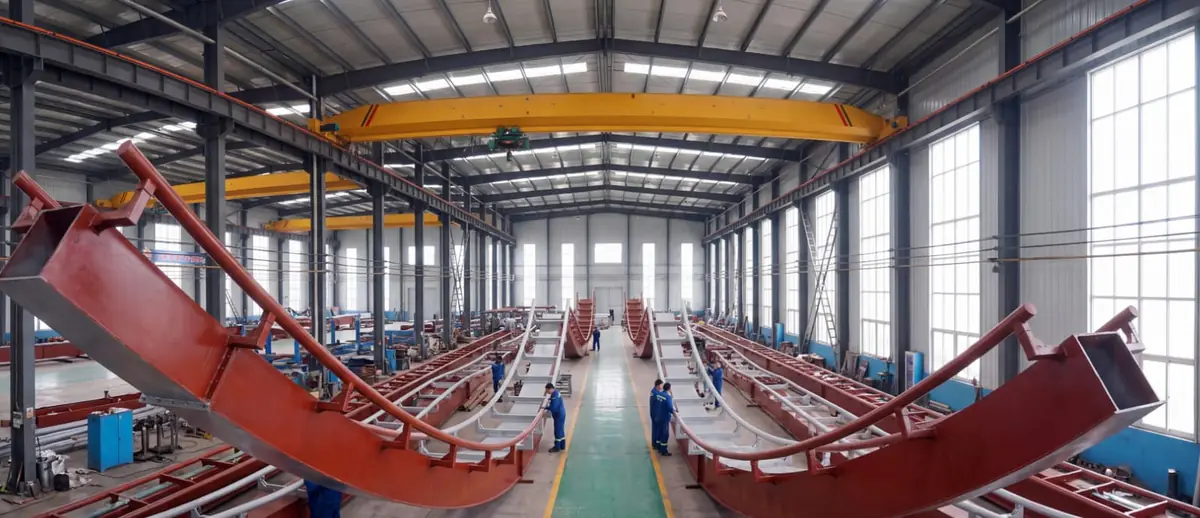
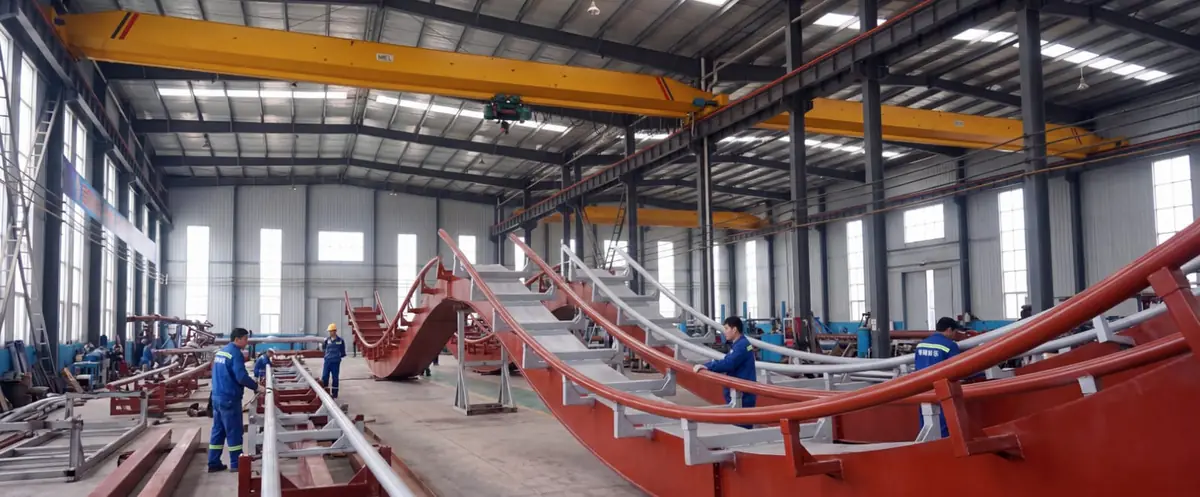
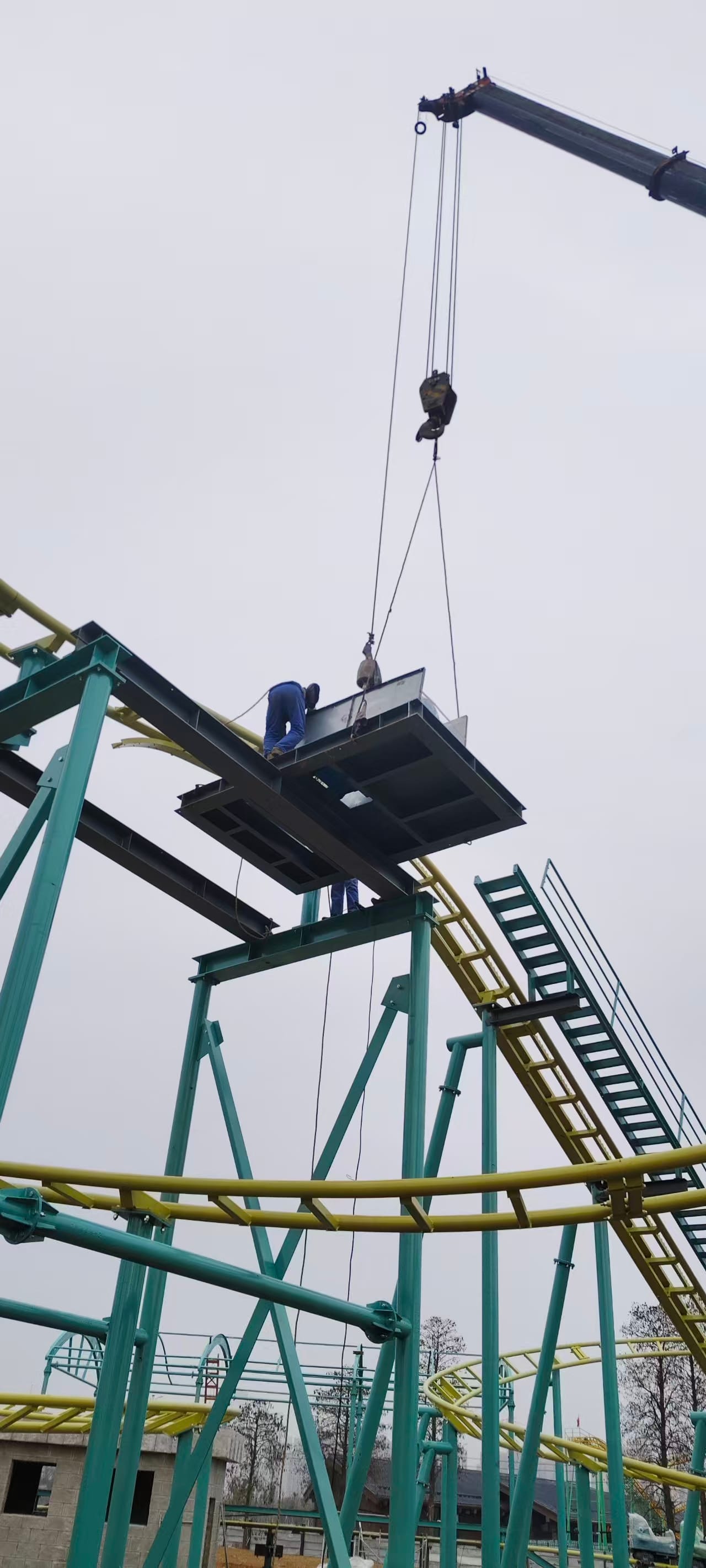
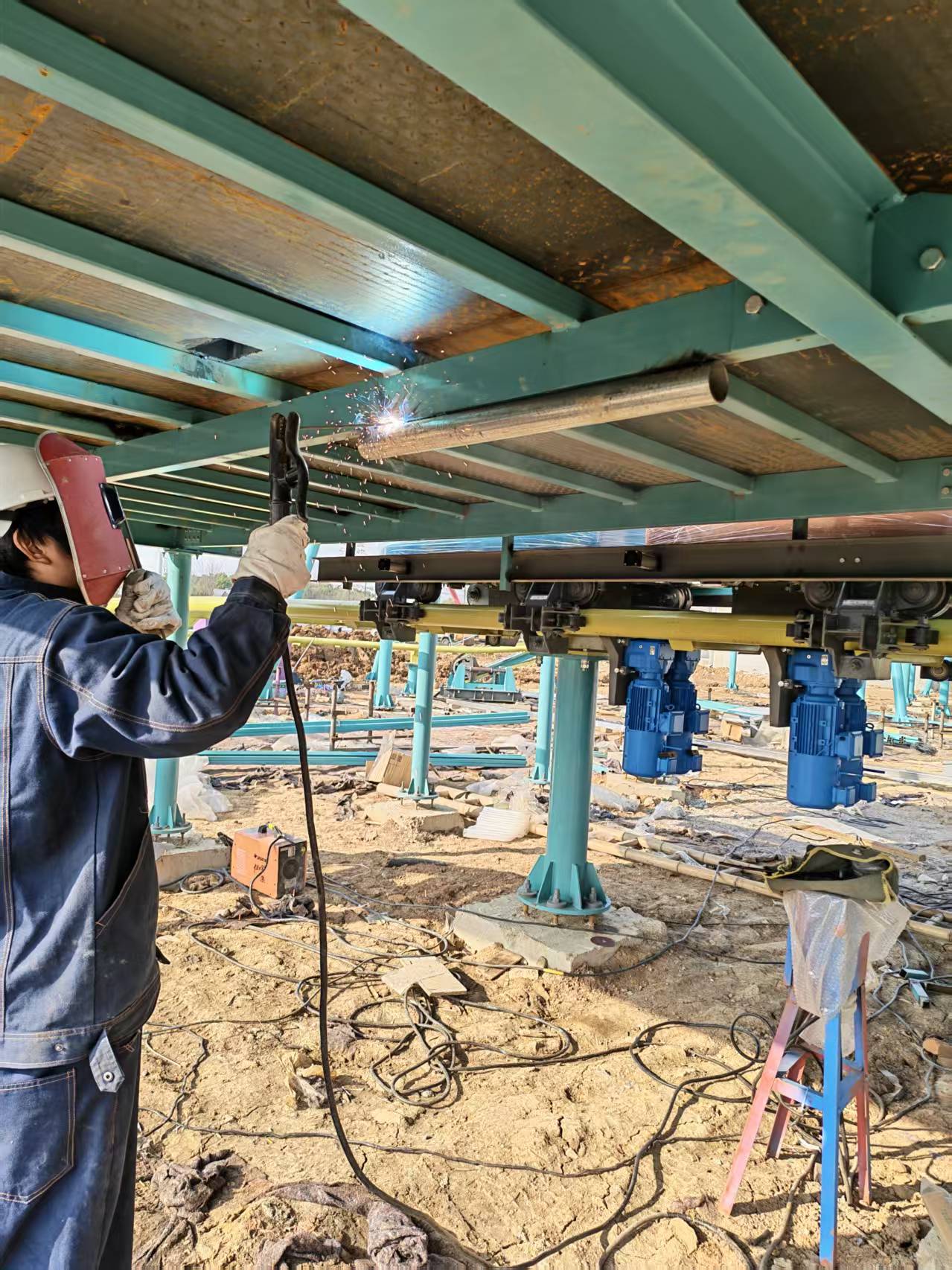
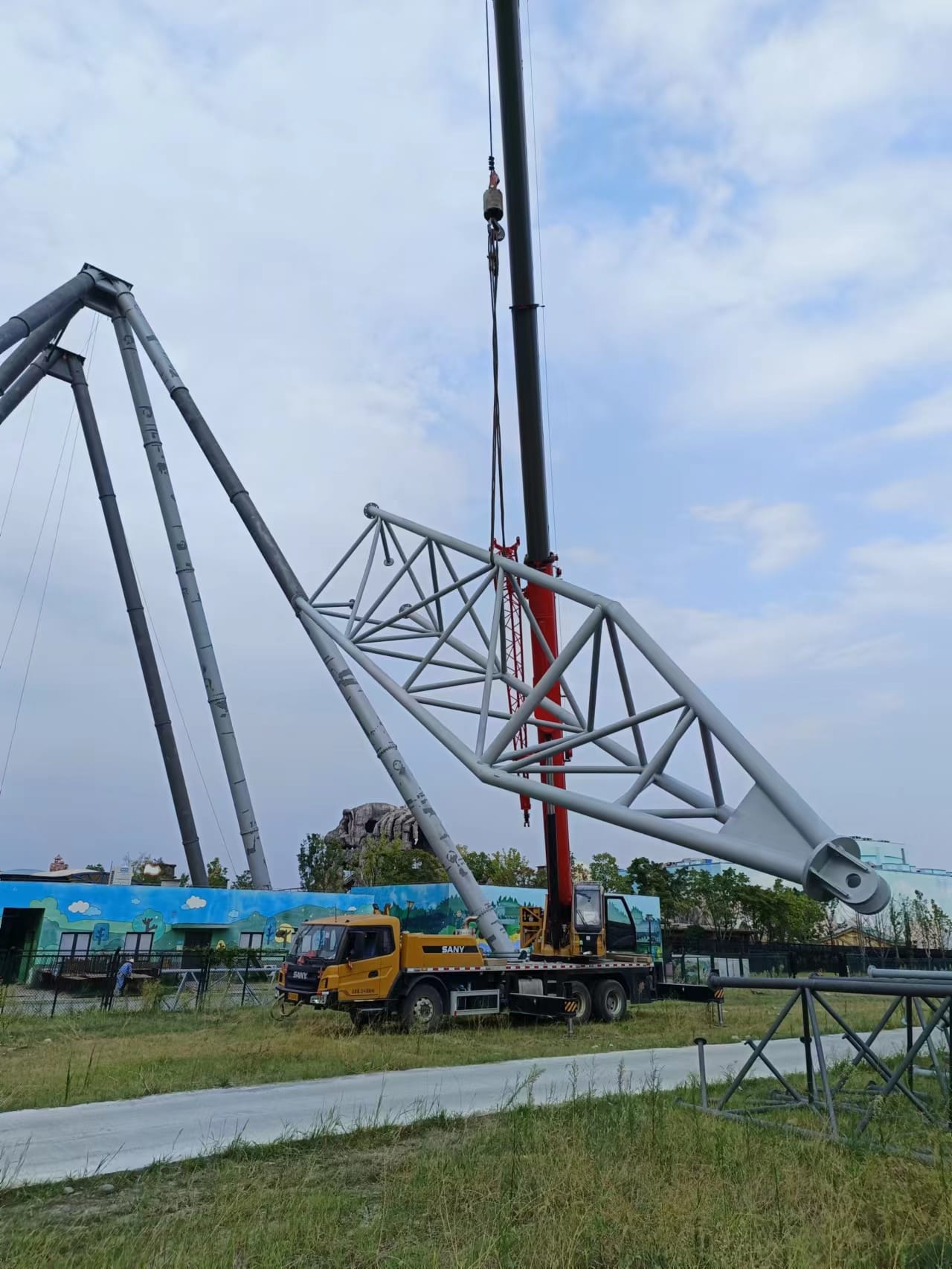
The coaster requires an elevated track layout with a lift section, a free-glide section, and a brake section leading to the station. Site planning should account for the track footprint, station platform, and maintenance access walkways. Installation must be performed by qualified personnel following the manufacturer's instructions. The ride is designed to the standards required by your market, confirmed per project. Foundation and structural requirements are provided in the project-specific documentation.
Operating notes
Operation requires trained staff and adherence to the manufacturer's operating manual. The control system includes interlocks that prevent dispatch unless all safety conditions are satisfied. In case of emergency, only authorized employees may implement evacuation procedures. A detailed report must be completed by the maintenance supervisor after any evacuation. Rescue equipment includes communication devices and a lifting platform. Evacuation procedures vary depending on the train's position and are described in the manual. Regular maintenance and inspections are essential for safe operation.