Overview
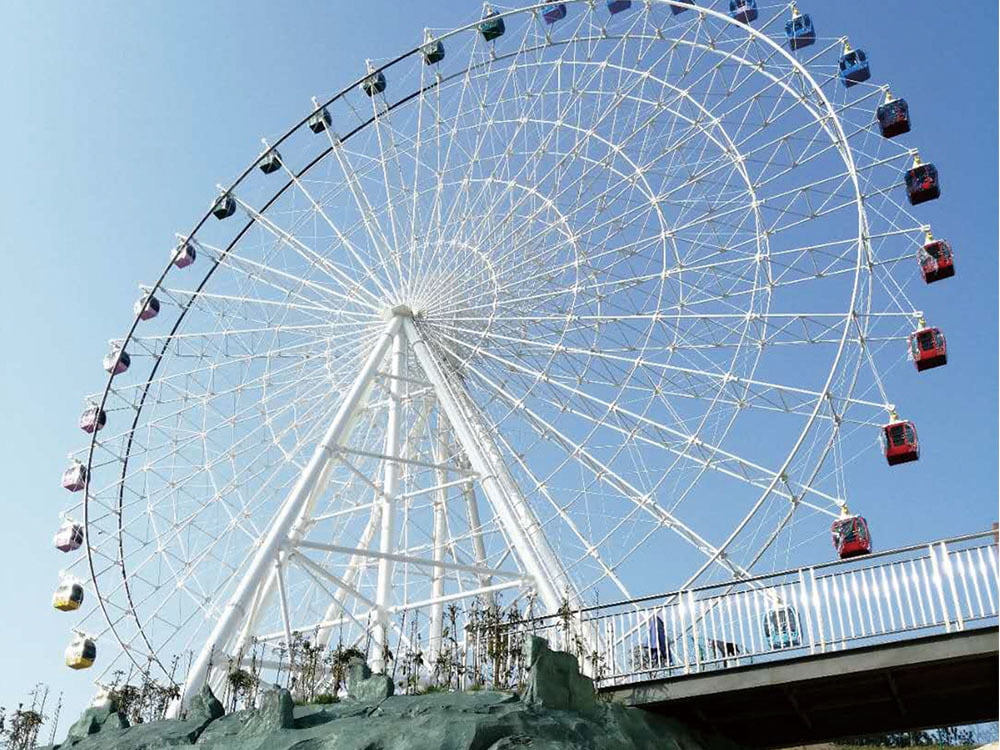
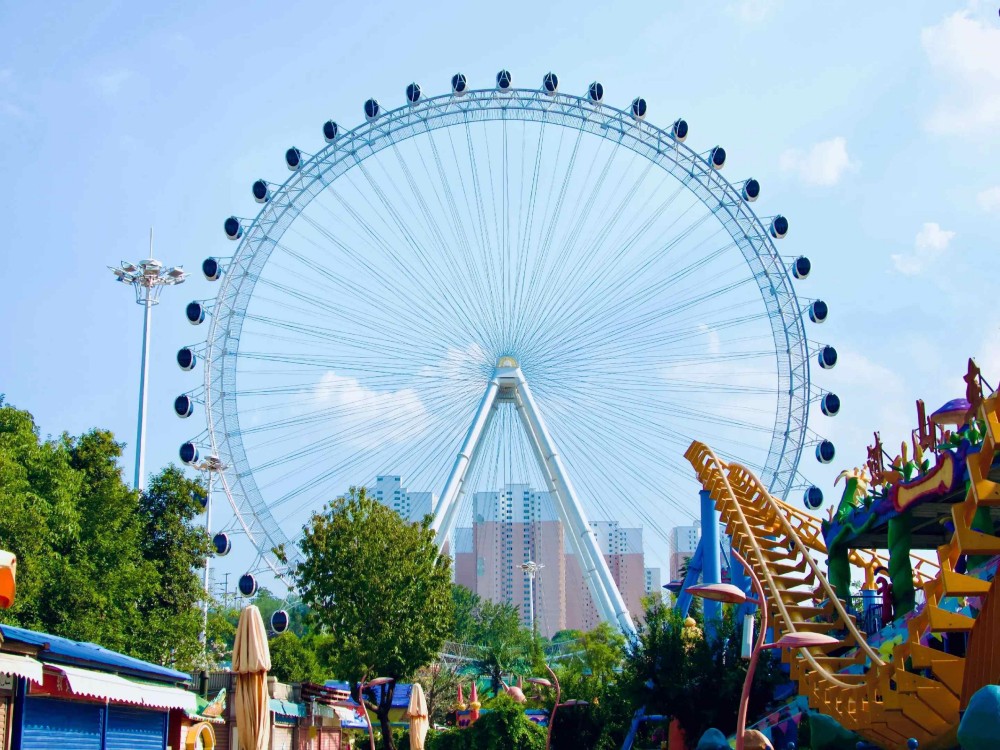
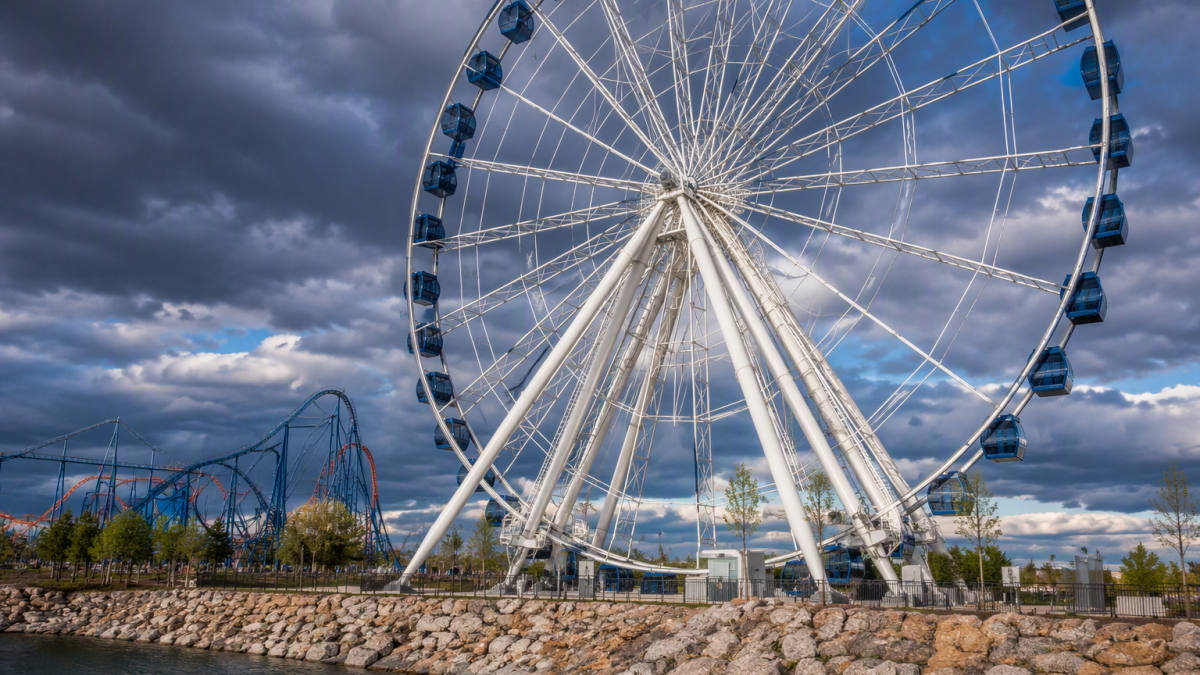
The 66m Truss Ferris Wheel is a fixed observation ride designed for parks and attractions. It combines a 66m total height with a 61.2m rotating diameter, giving riders a broad view from enclosed cabins. The ride is classified as an observation wheel and is intended for developers and investors who need a reliable, high-capacity attraction.
With 36 cabins and a capacity of 6 passengers per cabin, the wheel can accommodate groups efficiently. The running height of 64m and rotation speed of 13mpr provide a steady, comfortable ride. The design is suitable for sites with sufficient space and access for installation and maintenance.
Design and build
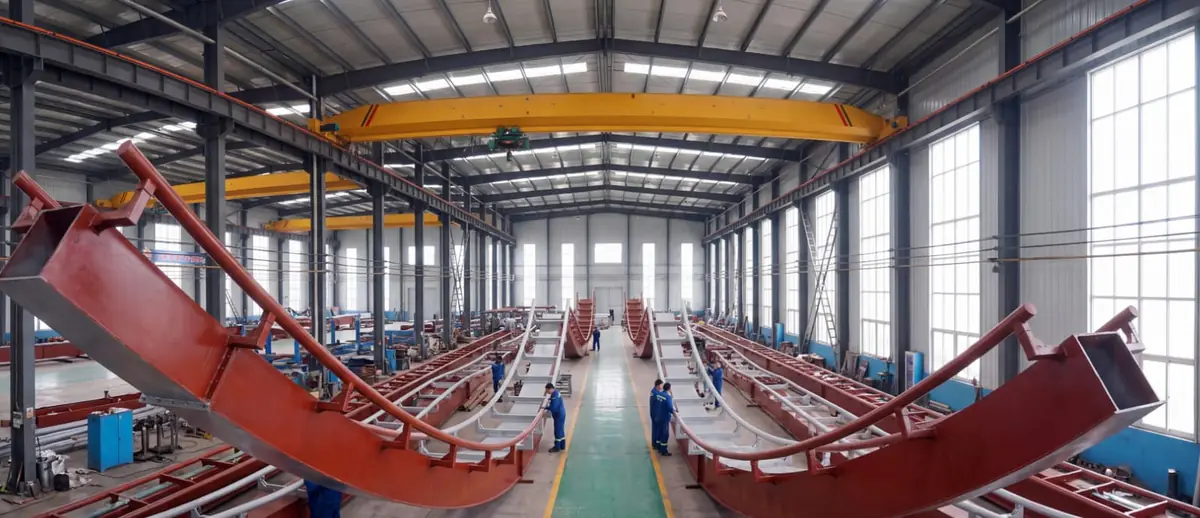
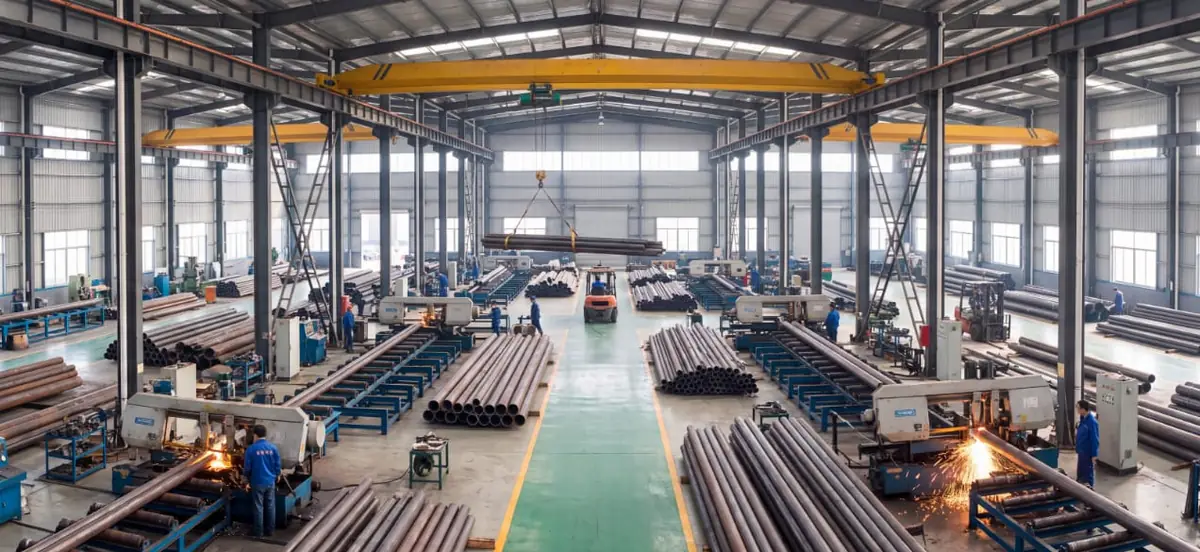
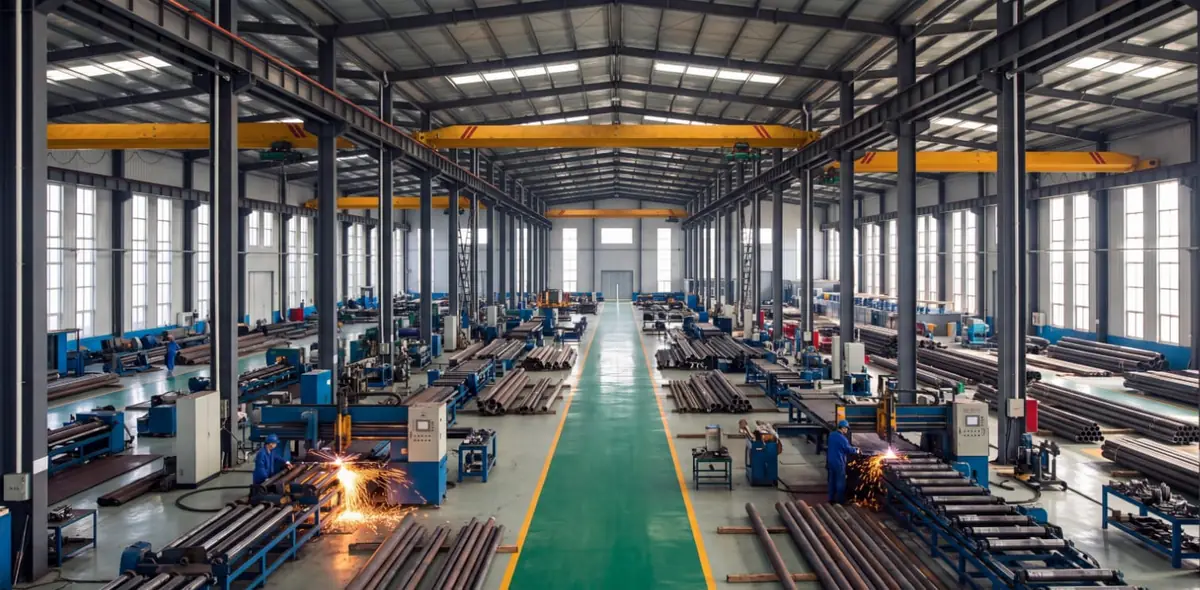
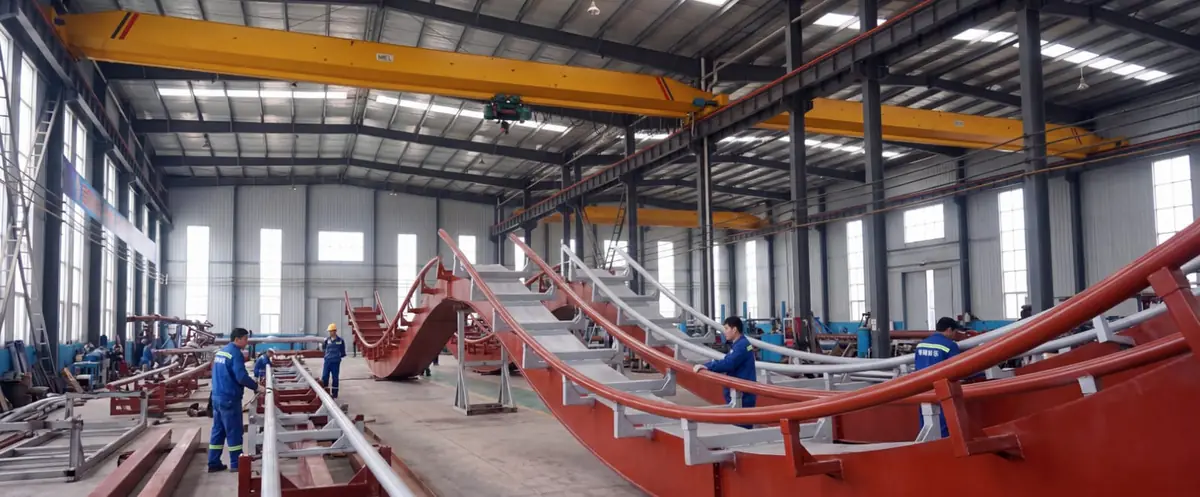
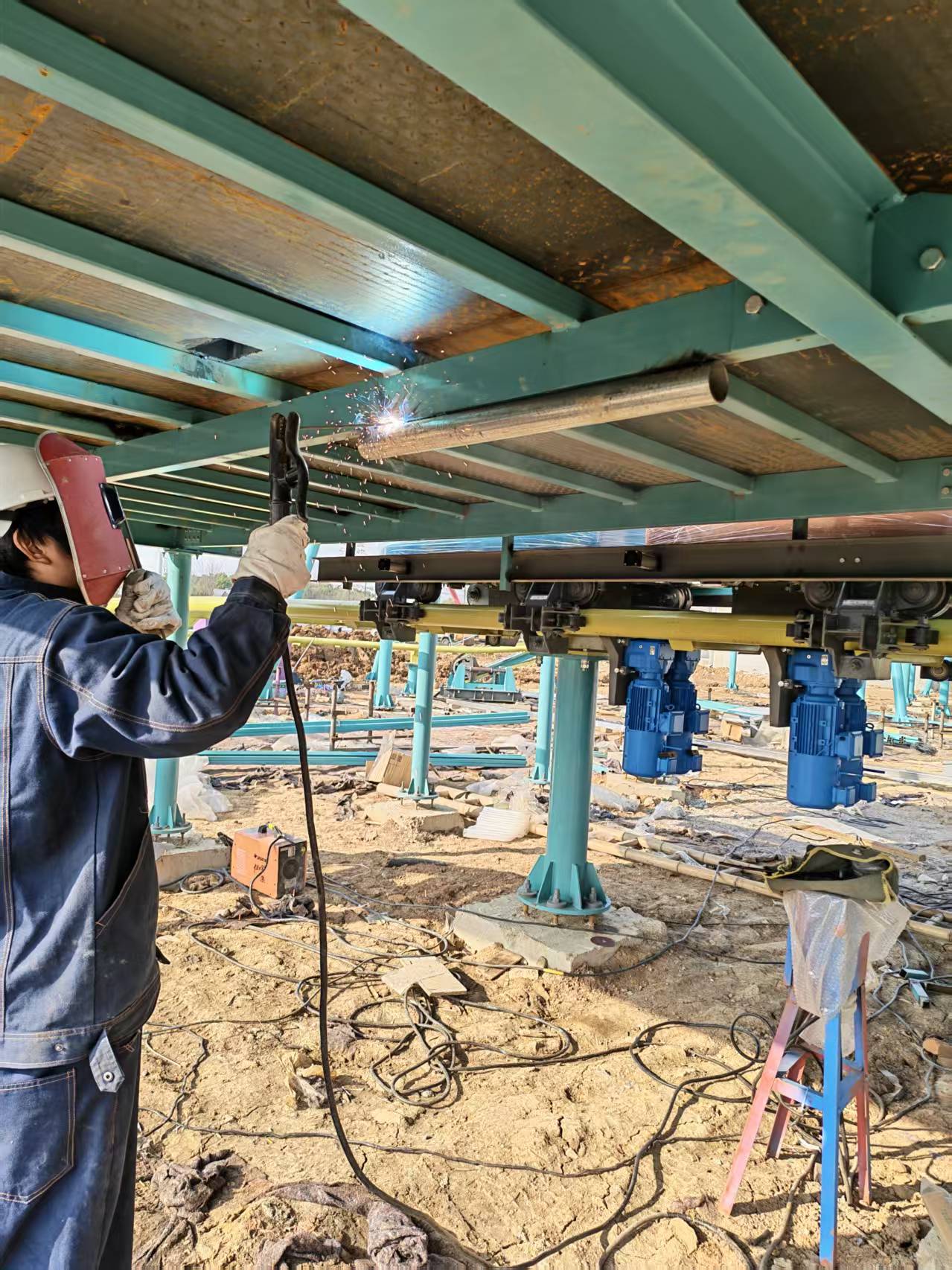
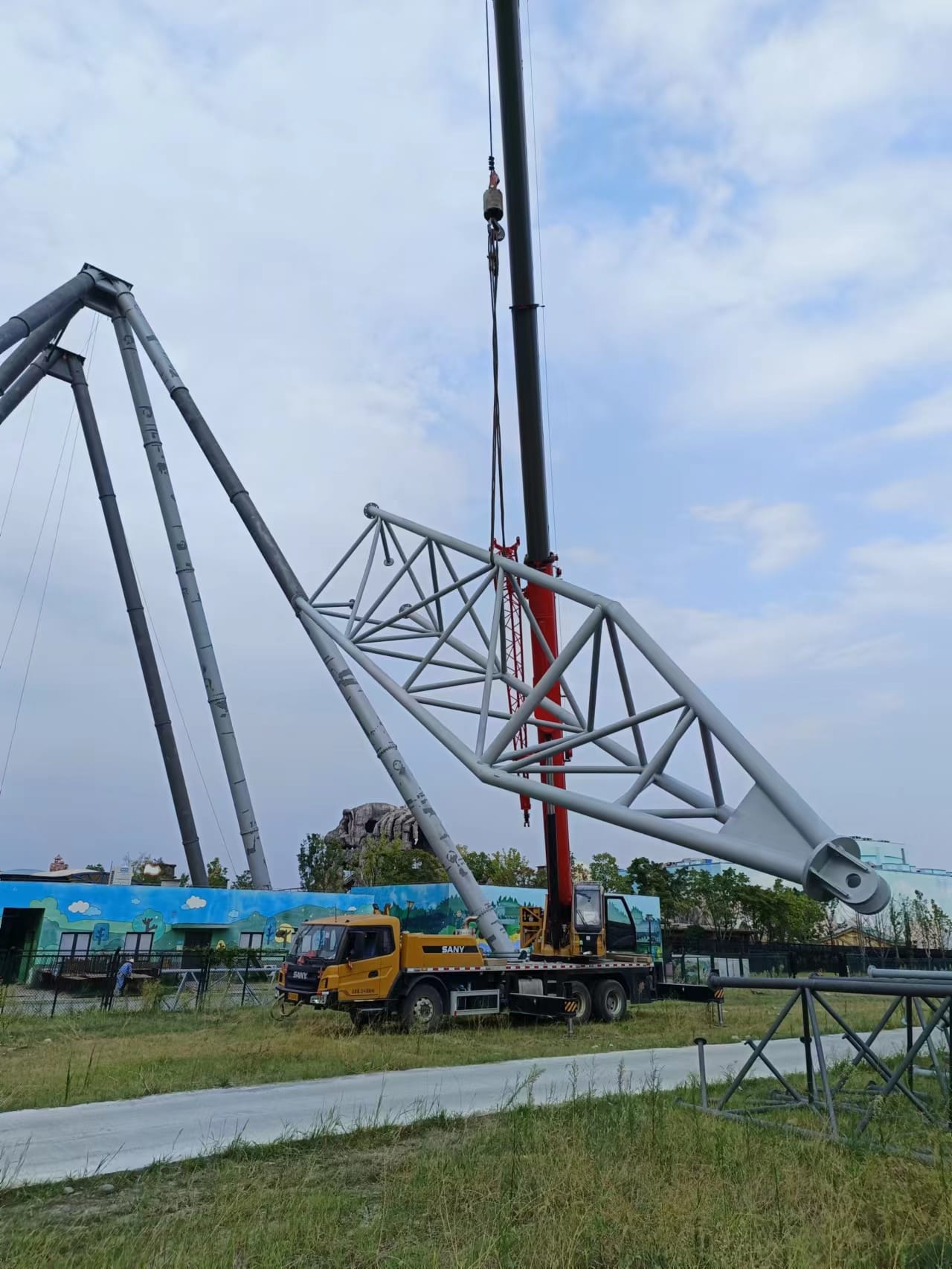
The wheel uses a truss-style structure made from tubular sections connected by flanges, with angle steel and tensioned cables for reinforcement. The drive system consists of eight motor units mounted on a platform; each unit uses a tire friction ring to rotate the wheel. This arrangement distributes drive forces around the rim.
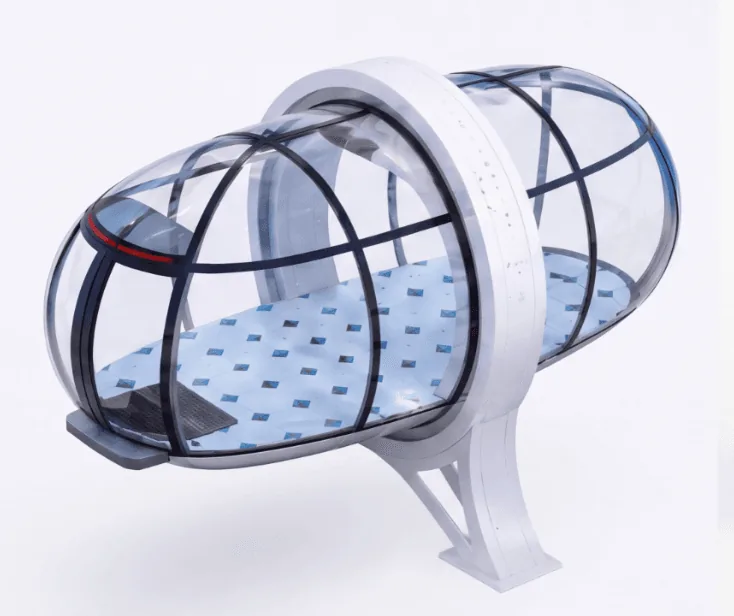
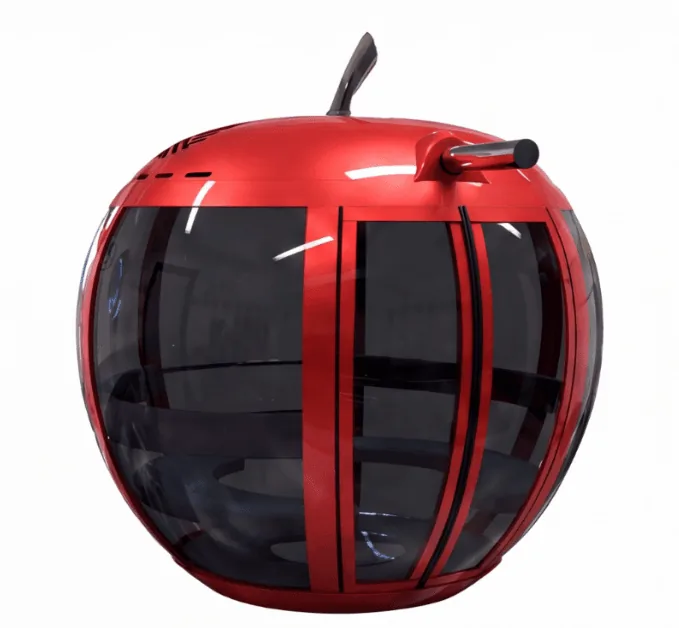
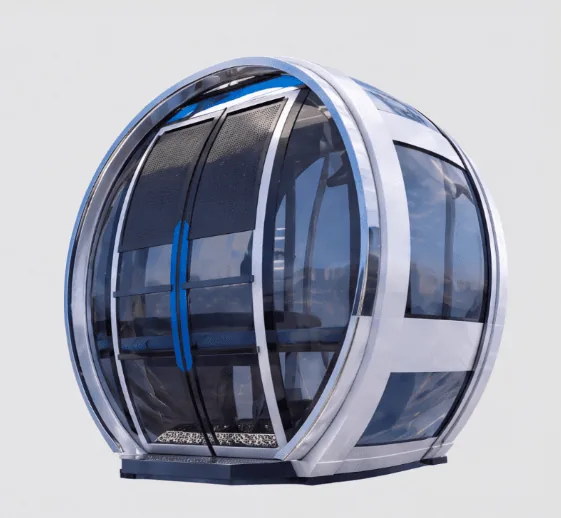
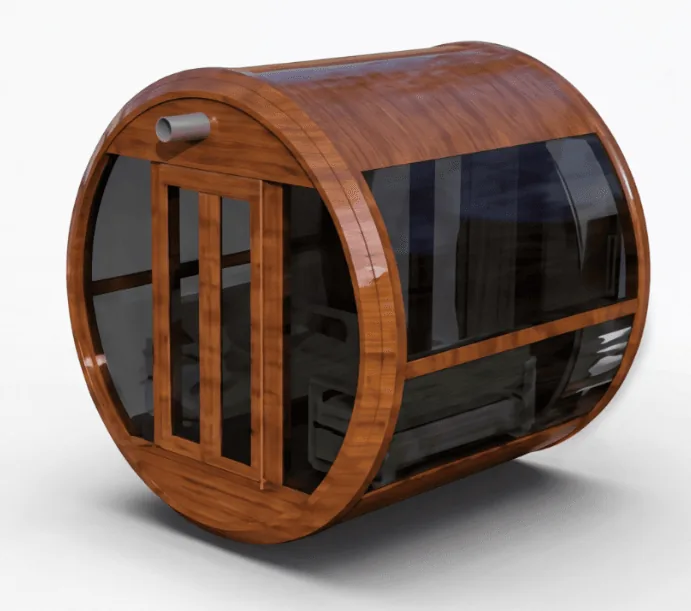
Cabins are enclosed and fitted with manually locked doors. Staff open and close the locks at the station to control boarding and alighting. The ride is designed to the standards required by your market, confirmed per project. The design service life is 20 years, and the installed power is 135kVA. No proprietary engineering details are disclosed here.
Site and installation
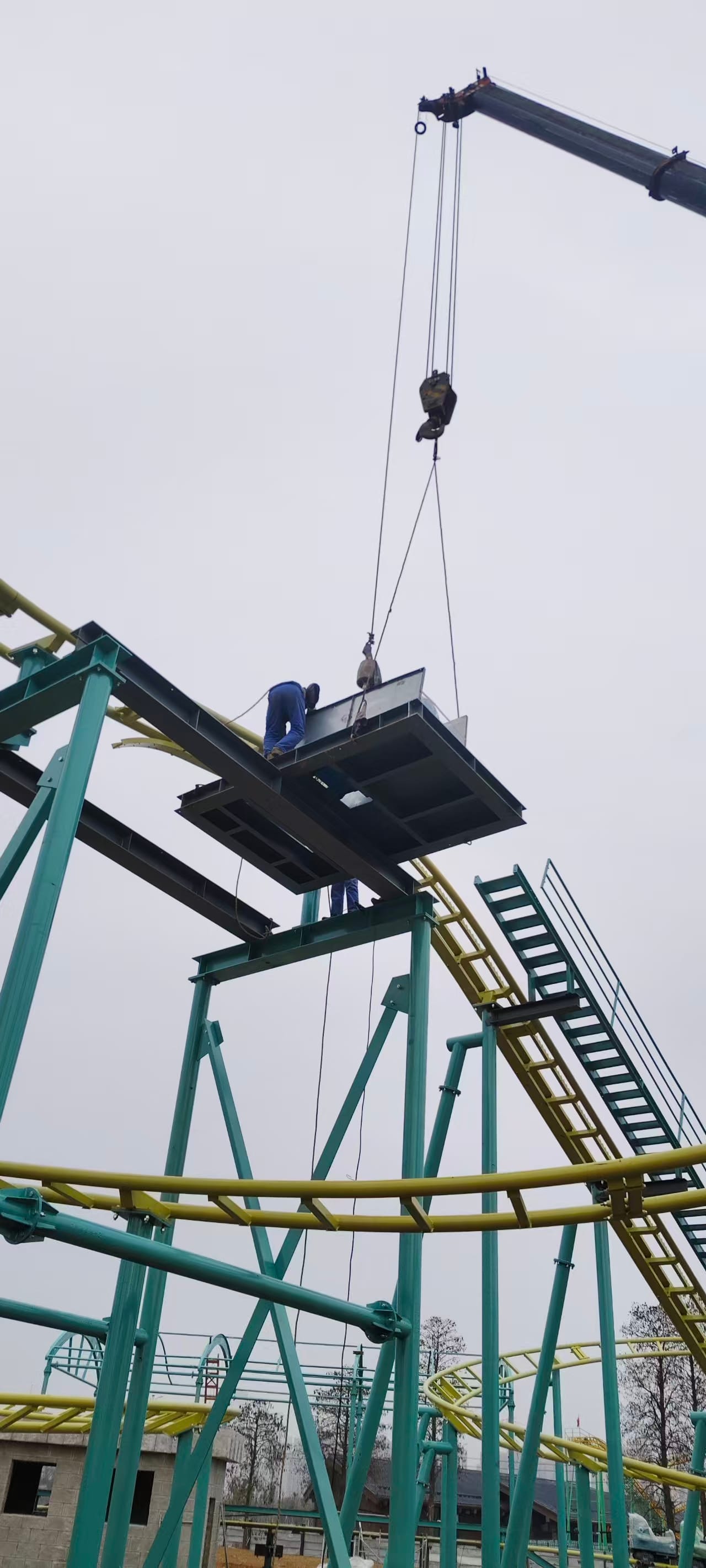
The equipment footprint, including the projection of the wheel, is 64m by 40m. The foundation footprint is 34m by 40m. These dimensions should be used for site planning and layout. Installation requires a prepared foundation and access for assembly of the truss sections and cabins.
The ride is fixed and not intended to be relocated. A backup diesel generator is included for emergency evacuation only, not for normal operation. Site-specific requirements, including local codes and soil conditions, must be confirmed during project planning.
Operating notes
Normal operation involves staff supervising boarding, locking cabin doors, and monitoring the ride. In case of power failure, the diesel generator can be used to bring passengers back to the station; this process may take 30–50 minutes depending on conditions. For mechanical issues, trained staff follow emergency procedures, which may include evacuation with descenders and coordination with local emergency services.
Routine checks include weekly inspection of the diesel generator fuel and operation. All emergency procedures must be carried out by trained personnel. The ride is designed for a 20-year service life with proper maintenance. Operational planning should include staff training and emergency drills.