Overview
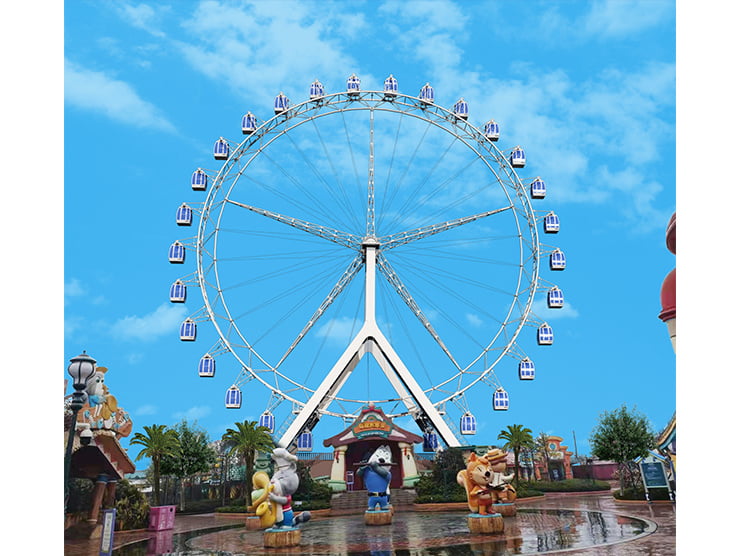
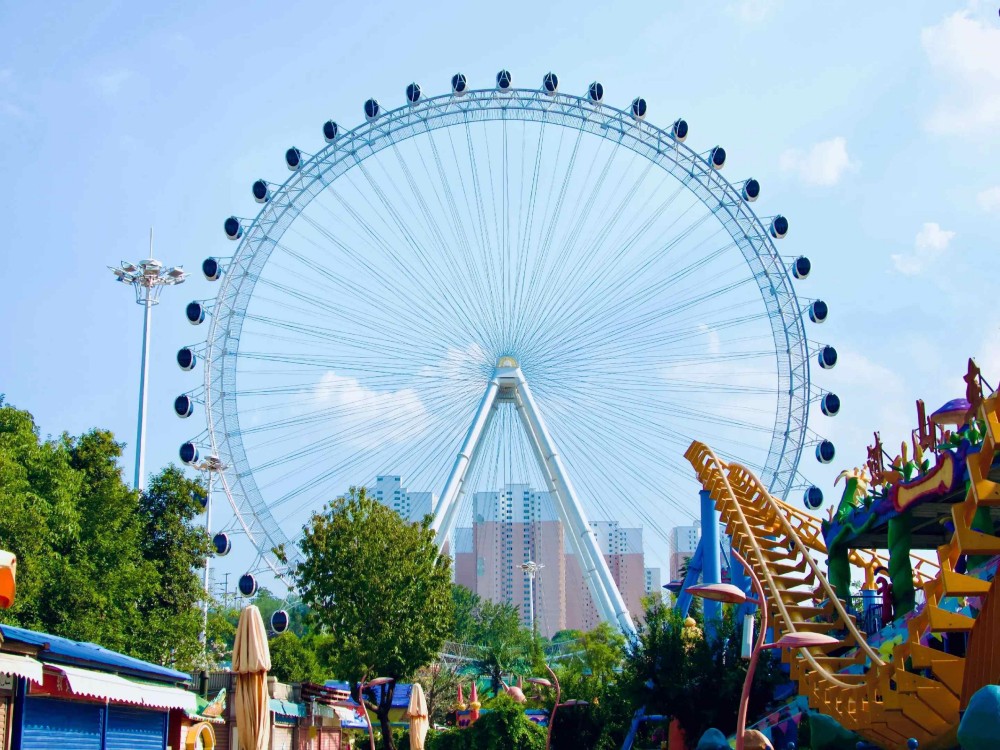
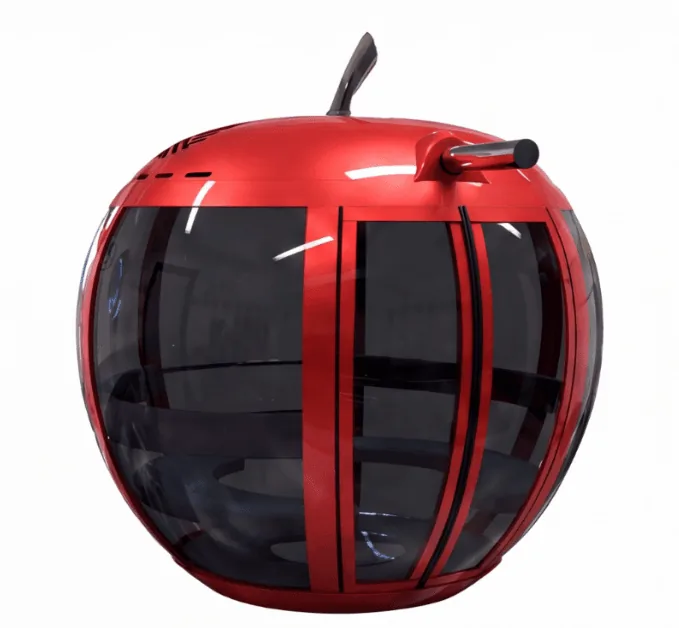
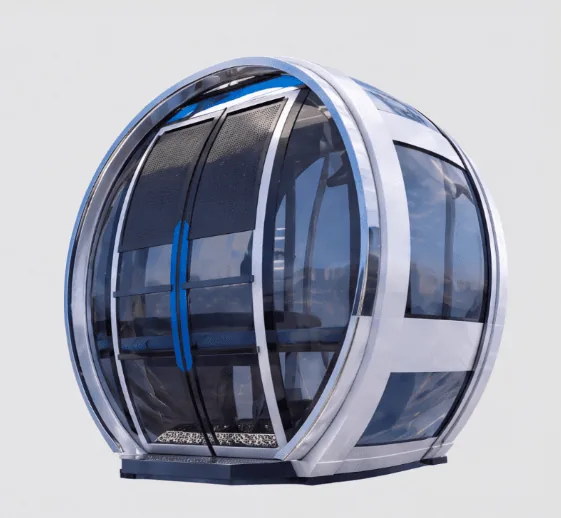
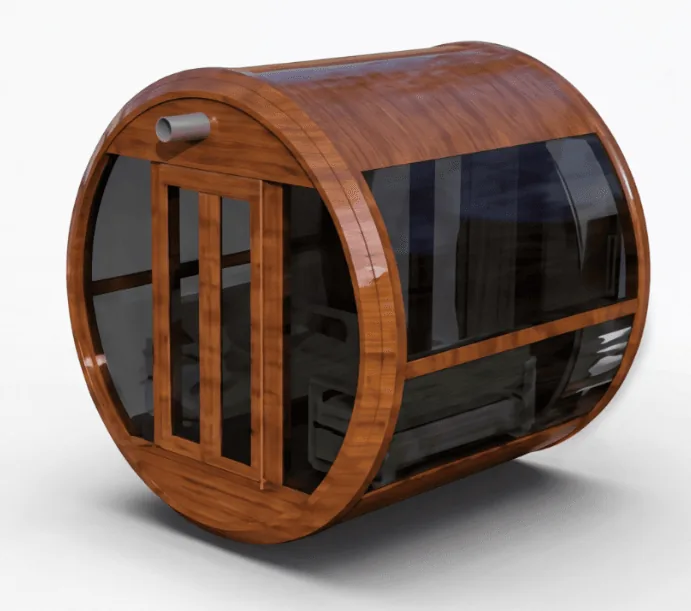
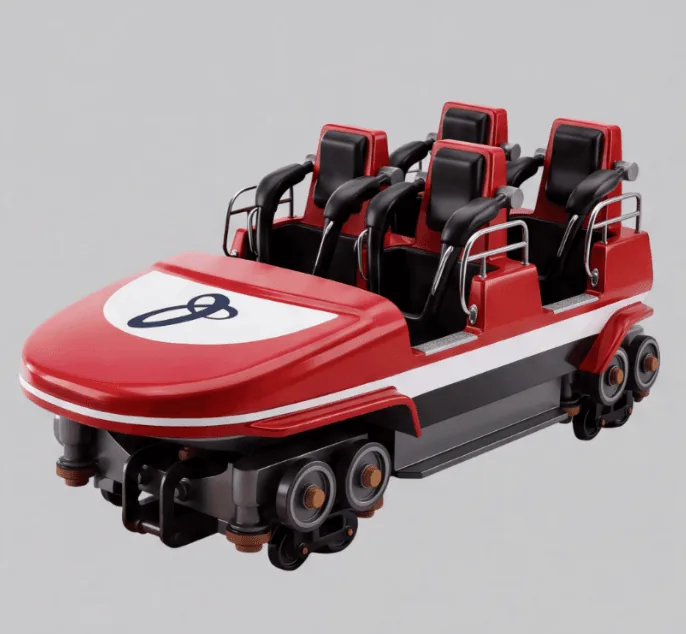
The 49m Ferris Wheel is a fixed observation ride designed for parks and attractions. It combines a 49.8m total height with a 45.7m slewing diameter, giving riders a 48m running height. Thirty cabins each seat four passengers, making the ride suitable for steady visitor throughput. The design focuses on long-term operation, with a 25-year design life and a compact site footprint.
Design and build
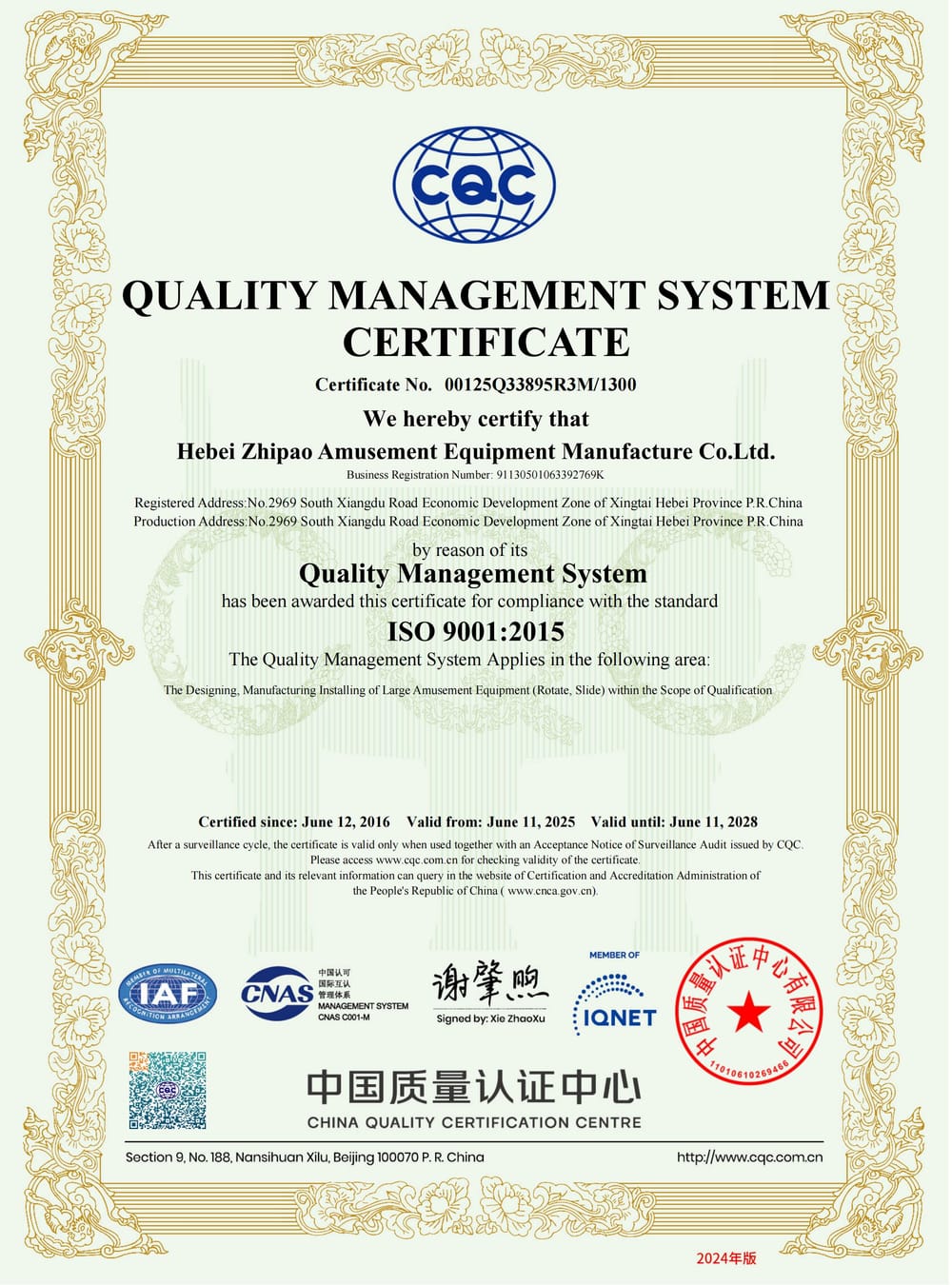
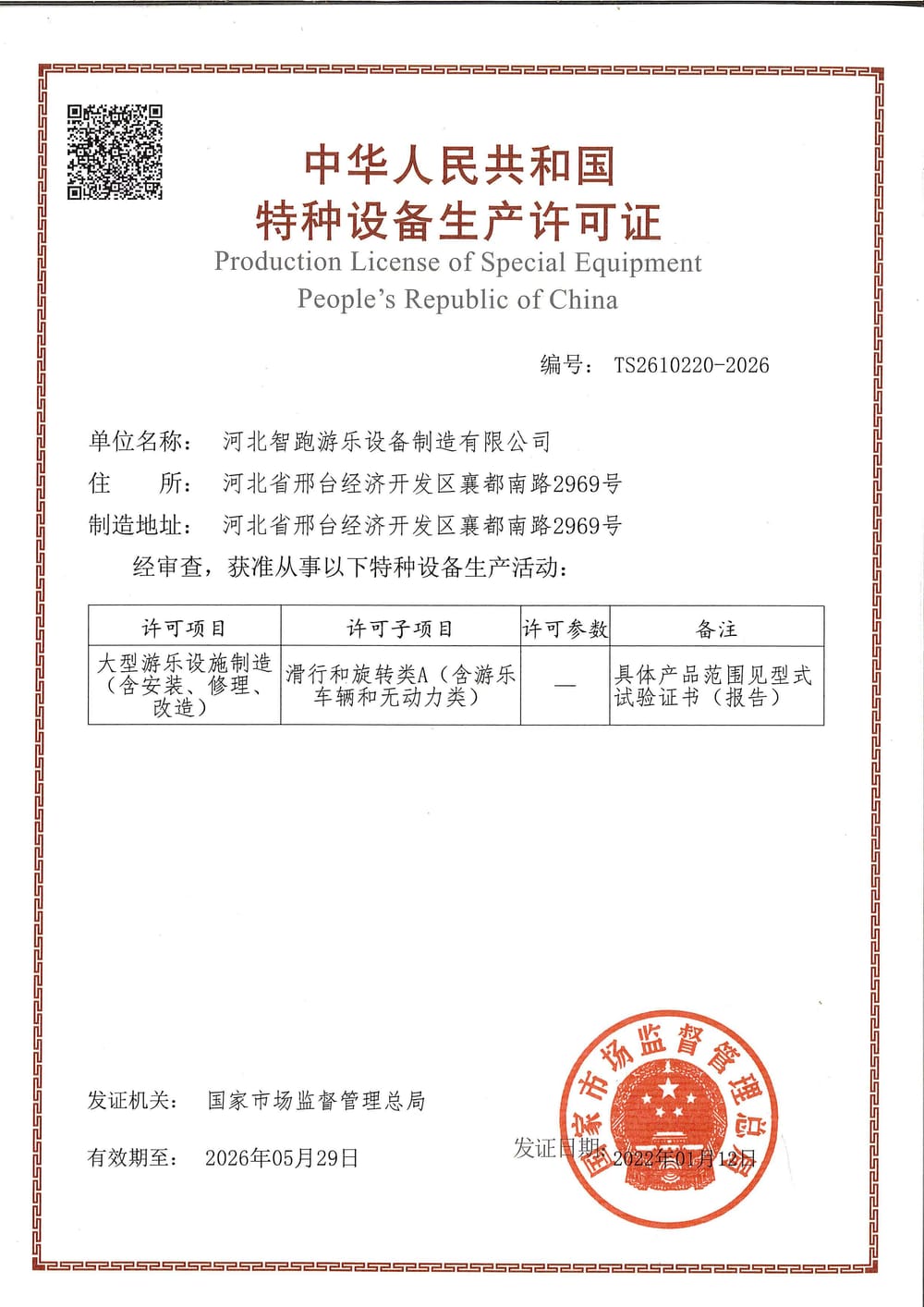
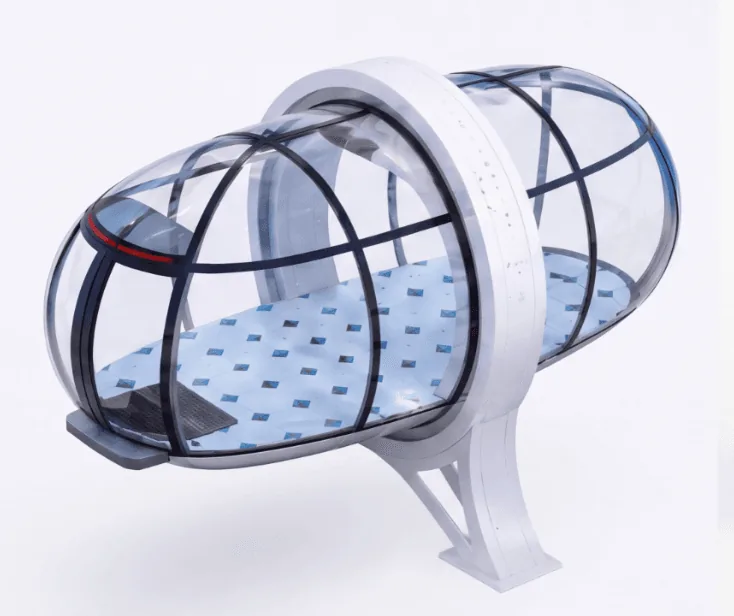
The ride uses a main-shaft configuration typical of large observation wheels. Cabins are mounted on the rim and remain upright as the wheel turns. The structure is designed to the standards required by your market, confirmed per project. Key build facts include:
- Total height: 49.8m; running height: 48m.
- Slewing diameter: 45.7m.
- 30 cabins, 4 passengers per cabin.
- Rotation speed: 10mpr.
- Installed power: 122kVA.
- Design life: 25 years.
The fixed configuration simplifies integration into a permanent park layout. The cabin count and capacity support regular operation without complex loading procedures.
Site and installation
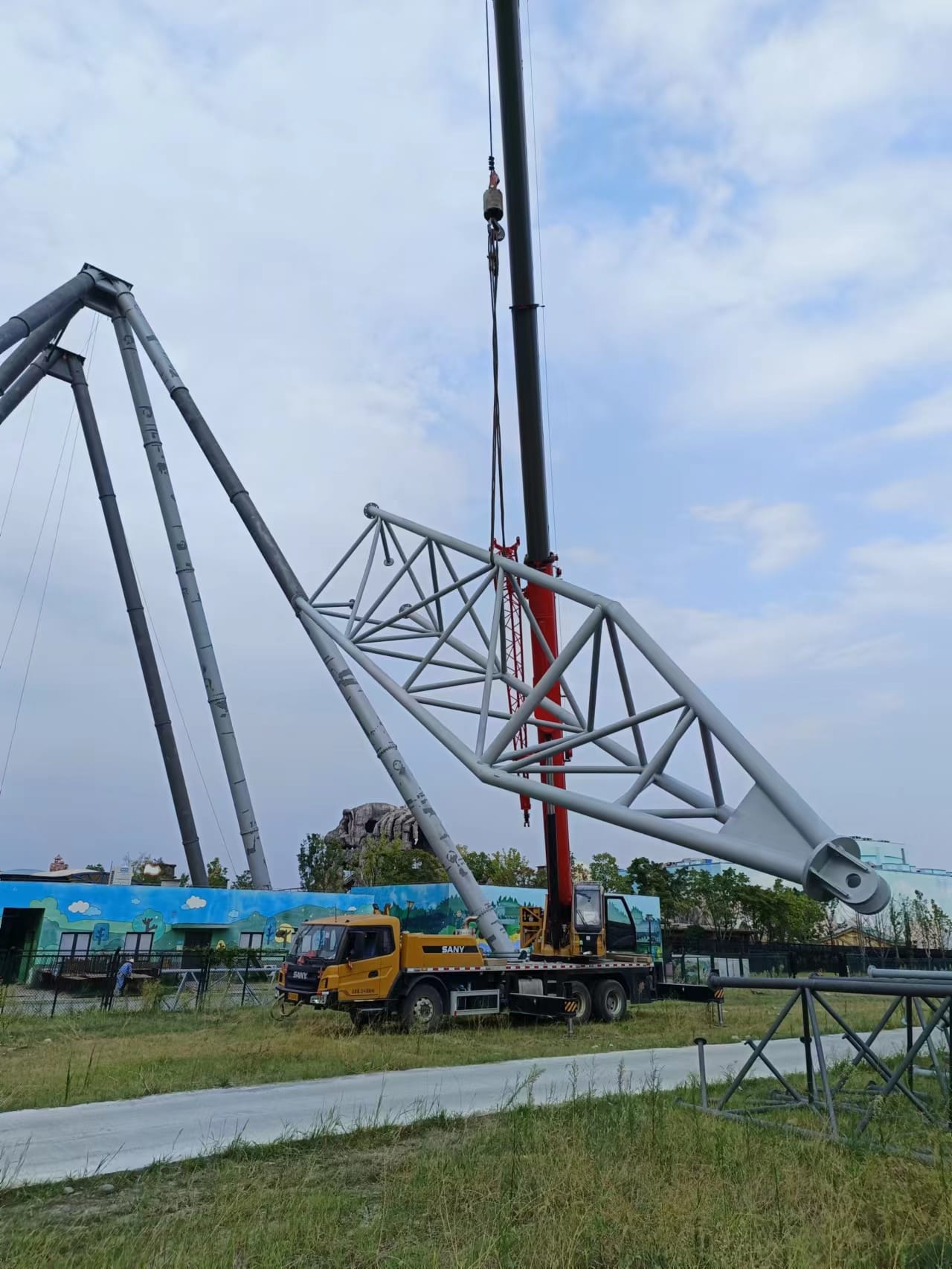
The equipment projection occupies 48×16m², while the foundation footprint is 24×16m². This compact base reduces ground preparation compared with larger wheels. Installation follows a planned sequence: foundation works, main shaft and support assembly, rim and cabin fitting, then commissioning. Site access for delivery and lifting equipment should be confirmed early. The ride is fixed, so no relocation is intended. Power supply must meet the 122kVA installed capacity. Local ground conditions and wind loading will be assessed during project engineering.
Operating notes
Daily checks cover cabin doors, restraints, and drive systems. The 10mpr rotation speed gives a controlled ride cycle, and operators should manage boarding to match cabin capacity. A spare parts plan and scheduled maintenance support the 25-year design life. Staff training on emergency procedures and evacuation is essential. The ride is designed to the standards required by your market, confirmed per project. Documentation and manuals are provided for local approval. Operational planning should include queue management for 30 cabins and clear signage for passenger safety.